

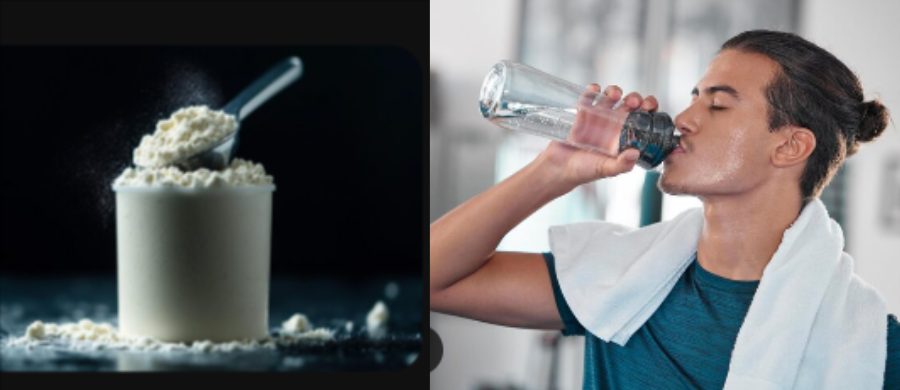
Creatine is one of the most popular and well-researched supplements in the fitness and athletic community.
Known for its ability to boost strength, increase muscle mass, and enhance performance, creatine is used by millions worldwide.
However, some users report experiencing increased thirst while taking creatine.
If you’ve ever wondered, “Does creatine make you thirsty?”, this article will explain why this happens, the science behind it, and how to stay hydrated while using creatine.
Yes, creatine can make you thirstier because it draws water into muscles, but proper hydration prevents dehydration and supports performance.
What Is Creatine?
Creatine is a naturally occurring compound found in the body, primarily in muscle cells. It helps produce adenosine triphosphate (ATP), the primary energy currency for short bursts of high-intensity activity.
H3: Types of Creatine Supplements
- Creatine Monohydrate: The most researched and widely used form
- Creatine Ethyl Ester (CEE): Claimed to absorb faster, though research is limited
- Buffered Creatine (Kre-Alkalyn): Designed to reduce stomach discomfort
- Micronized Creatine: Smaller particles for improved solubility and absorption
While the type of creatine can affect digestion and absorption, all forms may influence hydration levels in the body.
How Creatine Works in the Body
Creatine works primarily by:
- Increasing phosphocreatine stores in muscles
- Enhancing ATP production, allowing for more energy during short, intense workouts
- Supporting muscle growth by increasing water content in muscle cells (cell volumization)
This last point, drawing water into muscle cells, is particularly relevant to the question of thirst.
Why Creatine May Make You Thirsty
Many creatine users report feeling thirstier than usual. This is primarily due to how creatine affects water distribution in the body.
Water Retention in Muscles
- Creatine pulls water into muscle cells to support energy production
- This process, known as intracellular water retention, can reduce the amount of water available in the bloodstream
- As a result, the body signals you to drink more fluids, leading to increased thirst
Increased Urination
- Some individuals experience slightly higher urine output when starting creatine
- This is part of the body’s natural adjustment to changes in fluid balance
- Combined with water drawn into muscles, this can contribute to feeling dehydrated
High-Intensity Exercise
- Creatine is often used during intense workouts
- Exercise itself increases sweating and fluid loss, intensifying thirst
- When combined with creatine, this effect may be more noticeable
Does Creatine Cause Dehydration?
A common concern is whether creatine causes dehydration.
Research Findings
- Studies indicate that creatine does not cause harmful dehydration in healthy individuals
- A 2003 study in the Journal of Athletic Training found no negative impact on hydration status during exercise
- Proper fluid intake is sufficient to prevent dehydration and maintain performance
Thus, while creatine may increase thirst, it does not inherently dehydrate the body if water intake is adequate.
Signs of Dehydration While Taking Creatine
Even though creatine is safe for hydration, failing to drink enough water can lead to dehydration. Watch for these signs:
Mild Symptoms
- Dry mouth
- Feeling thirsty
- Dark yellow urine
- Fatigue or dizziness
Severe Symptoms
- Rapid heartbeat
- Confusion
- Muscle cramps
- Reduced sweating
Most of these issues can be prevented with adequate water intake while supplementing with creatine.
How to Stay Hydrated on Creatine?
To maximize benefits and minimize thirst, follow these tips:
Increase Daily Water Intake
- Aim for 8–12 cups (2–3 liters) of water per day, depending on activity level
- Include additional fluids during workouts
Monitor Urine Color
- Light yellow urine indicates proper hydration
- Dark urine signals you need more water
Timing of Creatine Intake
- Taking creatine with plenty of water can reduce the risk
- Some athletes split doses throughout the day to minimize fluid shifts
Balance Electrolytes
- Sodium, potassium, and magnesium help maintain hydration balance
- Include electrolyte-rich foods or drinks if exercising intensely while on creatine
Combine With Carbohydrates (Optional)
- Creatine absorption can improve with carbohydrate intake
- Carbs also help retain water in muscles safely, supporting hydration
Benefits of Creatine Beyond Hydration Concerns
Despite increased thirst, creatine provides numerous benefits:
Enhanced Strength and Power
- Increases ATP availability for short, high-intensity workouts
- Supports lifting heavier and performing more reps
Improved Muscle Mass
- Cell volumization and energy support muscle growth
- Often combined with resistance training for best results
Cognitive Support
- Emerging studies suggest that creatine may enhance brain energy metabolism
- Potential benefits for mental fatigue, memory, and cognitive performance
Safe and Well-Researched
- Creatine is one of the most studied supplements in sports science
- Safe for long-term use in healthy adults with proper hydration
Frequently Asked Questions About Creatine and Thirst
Does everyone get thirsty on creatine?
Not everyone experiences increased thirst. Individual hydration needs, dose, and activity level affect how noticeable the effect is.
Can I avoid thirst on creatine?
Yes. Drinking enough water, splitting doses, and maintaining electrolyte balance usually prevent excessive thirst.
Is thirst a sign I should stop creatine?
No. Thirst is a normal response to fluid shifts. Only reduce or stop creatine if you experience severe dehydration symptoms.
Conclusion: Does Creatine Make You Thirsty?
Yes, creatine can increase thirst, but this is a normal response to its effect on water balance in muscles.
It does not inherently dehydrate the body if you consume adequate fluids.
By monitoring hydration, balancing electrolytes, and adjusting your creatine intake, you can enjoy its performance and muscle-building benefits without discomfort.
Remember, creatine is safe, effective, and one of the most researched supplements just pair it with proper hydration for optimal results.
References
👉 U.S. Food and Drug Administration (FDA) – https://www.fda.gov
👉 National Institutes of Health (NIH) – https://www.ncbi.nlm.nih.gov
👉 Mayo Clinic – https://www.mayoclinic.org
👉 Cleveland Clinic – https://my.clevelandclinic.org
👉 MedlinePlus – https://medlineplus.gov
👉 WebMD – https://www.webmd.com
👉 Healthline – https://www.healthline.com