

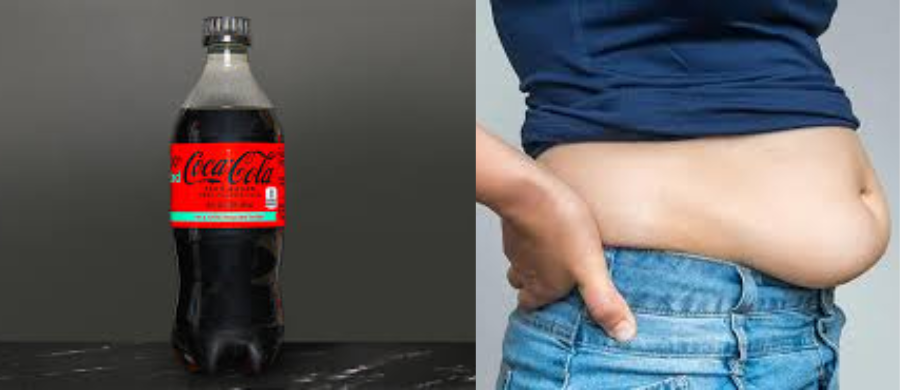
Coke Zero is one of the most popular sugar-free soft drinks in the world, often chosen by people trying to lose weight or reduce sugar intake. But a common question keeps coming up:
Does Coke Zero make you fat?
The answer isn’t as simple as yes or no. While Coke Zero contains zero sugar and zero calories, there are several indirect ways it may influence appetite, cravings, and long-term weight management.
In this detailed MrSupps guide, we break down the science, myths, and real-world effects of Coke Zero on body weight.
No, Coke Zero has zero calories and does not directly cause weight gain, but overall diet still matters for fat control.
Table of Contents
ToggleWhat Is Coke Zero?
A Sugar-Free Alternative to Regular Soda
Coke Zero is designed to mimic the taste of classic Coca-Cola without sugar or calories.
Key Ingredients in Coke Zero
- Carbonated water
- Artificial sweeteners (aspartame, acesulfame potassium)
- Natural flavors
- Caffeine
- Phosphoric acid
Unlike regular soda, it contains:
- 0 calories
- 0 sugar
- No carbohydrates
Does Coke Zero Make You Fat?
The Short Answer: No Direct Evidence
Coke Zero itself does not contain calories, so it cannot directly cause fat gain.
Fat gain occurs when:
- You consume more calories than you burn over time
Since Coke Zero has no calories, it cannot directly contribute to weight gain.
However, the story becomes more complex when we look at indirect effects.
How Coke Zero Might Indirectly Affect Weight
Sweet Taste and Cravings
Artificial sweeteners provide a sweet taste without calories.
Some research suggests:
- Sweet taste may trigger sugar cravings in some individuals
- This can lead to increased calorie intake from other foods
However, results are mixed and vary by person.
Appetite Response
Some studies show that:
- Sweeteners may not fully activate satiety signals like real sugar
- This could potentially influence hunger in certain people
But many other studies show:
- No significant effect on appetite or calorie intake
Behavioral Eating Patterns
Coke Zero may influence behavior rather than biology:
- People may “reward” themselves with extra food
- “I saved calories on soda, so I can eat more” mindset
This is a psychological effect, not a metabolic one.
What Science Says About Diet Soda and Weight Gain?
Mixed Research Results
Scientific studies show different outcomes:
Some studies suggest:
- No link between diet soda and weight gain
- May help reduce calorie intake when replacing sugary drinks
Other studies suggest:
- Possible association with higher body weight
- Likely due to lifestyle and diet patterns, not the soda itself
Artificial Sweeteners and Body Weight
Common Sweeteners in Coke Zero
- Aspartame
- Acesulfame potassium
Are They Safe?
Health authorities like:
- Food and Drug Administration
- European Food Safety Authority
…have approved these sweeteners as safe within daily limits.
Do They Cause Fat Gain?
There is no strong evidence that artificial sweeteners directly cause fat gain.
Does Coke Zero Affect Metabolism?
Metabolic Impact
Research shows:
- No meaningful change in metabolism from Coke Zero alone
- No increase in fat storage directly caused by artificial sweeteners
Insulin Response
- Most studies show minimal or no insulin spike
- Unlike sugar, Coke Zero does not raise blood glucose significantly
Can Coke Zero Help With Weight Loss?
Possible Benefits
Coke Zero may help some people by:
- Reducing sugar intake
- Replacing high-calorie beverages
- Supporting calorie-deficient diets
Example
Replacing one regular soda per day can save:
- ~140–150 calories daily
- ~1,000+ calories per week
This can support weight loss if not compensated for by extra food.
Why People Gain Weight While Drinking Coke Zero
Overall Diet Quality
Weight gain is usually linked to:
- Excess calorie intake
- Processed food consumption
- Low physical activity
Not Coke Zero itself.
Overeating Compensation
Some individuals unconsciously:
- Eat more after drinking diet soda
- Feel “entitled” to extra calories
Sedentary Lifestyle
Even with zero-calorie drinks:
- Lack of exercise leads to weight gain
Is Coke Zero Better Than Regular Soda?
Regular Soda
- High in sugar
- High in calories
- Linked to weight gain if consumed frequently
Coke Zero
- Zero calories
- No sugar
- Better option for calorie control
👉 For weight management, Coke Zero is generally the better choice.
Should You Drink Coke Zero Daily?
Moderation Is Key
For most healthy adults:
- Occasional or moderate consumption is fine
When to Limit Intake
You may want to reduce intake if:
- You notice increased cravings
- You rely heavily on sweetened beverages
- You have sensitivity to caffeine or sweeteners
Healthier Alternatives to Coke Zero
If you want to reduce soda dependence, consider:
- Sparkling water with lemon
- Herbal iced teas
- Infused water (cucumber, mint, berries)
- Unsweetened green tea
Final Verdict: Does Coke Zero Make You Fat?
Science-Based Answer
- Coke Zero does NOT directly cause fat gain
- It contains zero calories
- Weight gain depends on overall diet and lifestyle
Important Insight
Indirect effects like cravings or overeating may influence some individuals, but Coke Zero itself is not a fat-promoting drink.
FAQs
Can I drink Coke Zero while dieting?
Yes, it can be used as a low-calorie alternative.
Does Coke Zero increase belly fat?
No direct evidence supports this claim.
Is Coke Zero healthier than regular Coke?
Yes, due to zero sugar and zero calories.
References
👉 Food and Drug Administration – https://www.fda.gov
👉 European Food Safety Authority – https://www.efsa.europa.eu
👉 World Health Organization – https://www.who.int
👉 Mayo Clinic – https://www.mayoclinic.org
👉 Cleveland Clinic – https://my.clevelandclinic.org
👉 Healthline – https://www.healthline.com/nutrition/diet-soda-good-or-bad