

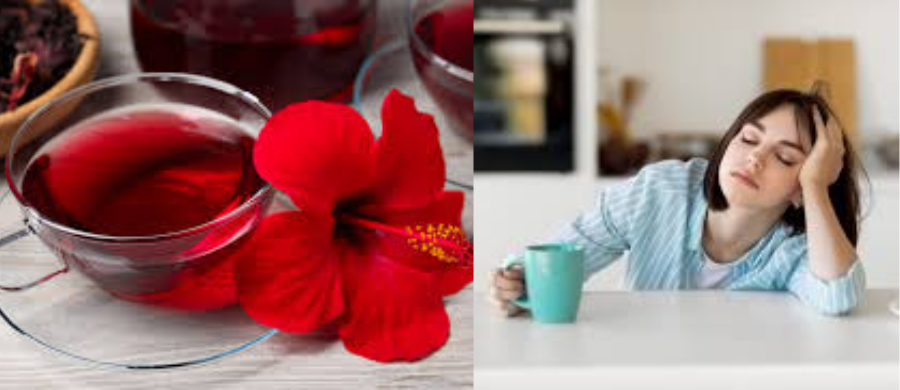
Hibiscus tea has become one of the most popular herbal drinks for wellness, weight management, and relaxation.
Known for its deep red color and tart flavor, it is often consumed in the evening as a caffeine-free alternative to coffee or green tea.
But many people ask an important question:
Hibiscus tea doesn’t directly make you sleepy, but it may promote relaxation and help you unwind, supporting better sleep naturally.
What Is Hibiscus Tea?
A Natural Herbal Infusion
Hibiscus tea is made from the dried petals of the Hibiscus sabdariffa flower. It is naturally:
- Caffeine-free
- Rich in antioxidants
- Slightly tart in taste
- Deep red in color
It is commonly consumed hot or cold and is widely used in traditional herbal medicine systems across Africa, Asia, and Latin America.
Nutritional and Active Compounds
Hibiscus tea contains:
- Anthocyanins (powerful antioxidants)
- Flavonoids
- Organic acids
- Trace minerals
These compounds are associated with various health benefits, including heart health support, blood pressure regulation, and mild calming effects.
Does Hibiscus Tea Make You Sleepy?
Not a Sedative, But It May Promote Relaxation
Hibiscus tea does NOT directly make you sleepy like a sleep medication or sedative.
However, it may:
- Help the body relax
- Reduce mild stress responses
- Support a calm nervous system
- Indirectly improve sleep quality
So while it won’t “knock you out,” it can contribute to a more relaxed state that supports sleep readiness.
How Hibiscus Tea Affects the Nervous System?
Caffeine-Free Advantage
One of the biggest reasons hibiscus tea is linked to sleep is simple:
It contains no caffeine.
Caffeine stimulates the central nervous system, making you feel alert and awake. Since hibiscus tea lacks caffeine, it does not interfere with the body’s natural sleep cycle.
Antioxidants and Stress Reduction
Hibiscus is rich in antioxidants like anthocyanins, which may help reduce oxidative stress in the body.
Lower oxidative stress is associated with:
- Better relaxation
- Improved cardiovascular function
- Reduced physical tension
These effects may indirectly support a calmer mental state before bedtime.
Can Hibiscus Tea Help You Fall Asleep?
Indirect Sleep Support, Not Direct Sedation
Hibiscus tea does not contain compounds that directly induce sleep. Instead, it supports conditions that make sleep easier, such as:
- Lower stress levels
- Reduced blood pressure
- Improved hydration
- Relaxation before bed
This is why many people feel more relaxed after drinking it in the evening.
Role in Blood Pressure Regulation
Some studies suggest hibiscus tea may help support healthy blood pressure levels.
When blood pressure is balanced:
- The body experiences less physical strain
- The nervous system remains calmer
- It may be easier to unwind at night
This can create a more sleep-friendly environment in the body.
Why People Feel Sleepy After Drinking Hibiscus Tea?
The Relaxation Effect
Many users report feeling sleepy after hibiscus tea due to its calming effect on the body, not because it contains sedatives.
Warm herbal tea in general can:
- Signal the brain that it is time to wind down
- Reduce evening stimulation
- Encourage a bedtime routine
Placebo and Routine Effects
Sleep is strongly influenced by routine.
If you regularly drink hibiscus tea at night, your brain may begin associating it with:
- Relaxation
- Rest
- Sleep preparation
This conditioned response can make you feel sleepy even without a pharmacological effect.
Hibiscus Tea vs Other Sleep Drinks
Hibiscus vs Chamomile Tea
Chamomile contains apigenin, a compound known for its mild sedative effects. Hibiscus does not have this compound, making chamomile more directly sleep-supportive.
However:
- Chamomile = more sedative effect
- Hibiscus = more cardiovascular and antioxidant support
Hibiscus vs Green Tea
Green tea contains caffeine (unless decaffeinated), which can interfere with sleep.
Hibiscus tea is:
- Naturally caffeine-free
- More suitable for nighttime consumption
Hibiscus vs Herbal Sleep Blends
Some sleep teas include valerian root or passionflower, which directly affect neurotransmitters.
Hibiscus is:
- Milder
- More general wellness-focused
- Less sedative but more refreshing
Health Benefits of Hibiscus Tea Beyond Sleep
Supports Heart Health
Research suggests hibiscus tea may help support:
- Healthy blood pressure
- Cardiovascular function
- Circulation balance
Rich in Antioxidants
Antioxidants in hibiscus help:
- Reduce oxidative stress
- Support immune function
- Protect cells from damage
May Support Weight Management
Hibiscus tea is often used in wellness routines because it:
- Is low in calories
- May support metabolism
- Helps reduce sugary beverage intake
Supports Hydration
Staying hydrated is essential for:
- Energy balance
- Cognitive function
- Sleep quality
Hibiscus tea can be a flavorful way to increase fluid intake.
Best Time to Drink Hibiscus Tea for Sleep
Evening Consumption Benefits
Drinking hibiscus tea in the evening may help you:
- Relax after a long day
- Reduce mental tension
- Prepare for sleep naturally
Avoid Drinking Too Close to Bed (For Some People)
Because hibiscus tea may have mild diuretic effects, drinking too much right before bed may lead to:
- Nighttime bathroom trips
- Interrupted sleep
A good strategy is to drink it 1–2 hours before bedtime.
Who Should Be Careful With Hibiscus Tea?
People With Low Blood Pressure
Since hibiscus may support lower blood pressure, individuals with already low levels should consume it cautiously.
Pregnant or Nursing Individuals
Herbal teas should always be used carefully during pregnancy unless approved by a healthcare provider.
People Sensitive to Acidity
Hibiscus has a naturally tart, acidic profile, which may cause mild stomach discomfort in sensitive individuals.
How to Use Hibiscus Tea for a Better Sleep Routine?
Create a Nighttime Ritual
To enhance its relaxing effect:
- Drink it warm in a quiet environment
- Avoid screens while drinking
- Pair it with calming activities like reading
Combine With Sleep-Friendly Habits
Hibiscus tea works best when combined with:
- Consistent sleep schedule
- Reduced caffeine intake
- Stress management techniques
- Light evening meals
Final Verdict
The Clear Answer
Hibiscus tea does NOT directly make you sleepy like a sedative or sleep drug.
However, it can:
- Promote relaxation
- Support stress reduction
- Encourage a calm nighttime routine
- Indirectly improve sleep quality
Key Takeaway
Hibiscus tea is best understood as a relaxation-supporting herbal drink, not a sleep-inducing supplement.
If used consistently as part of a healthy evening routine, it may help you unwind and prepare your body for better rest.
References
- National Center for Complementary and Integrative Health (NCCIH) – Herbal Tea Information
https://www.nccih.nih.gov/health - Harvard T.H. Chan School of Public Health – Herbal Teas and Health
https://www.hsph.harvard.edu/nutritionsource/food-features/herbal-teas/ - USDA FoodData Central – Hibiscus Tea Nutritional Data
https://fdc.nal.usda.gov/ - Journal of Ethnopharmacology – Hibiscus sabdariffa Research
https://www.sciencedirect.com/journal/journal-of-ethnopharmacology - Cleveland Clinic – Herbal Tea Benefits
https://health.clevelandclinic.org/