

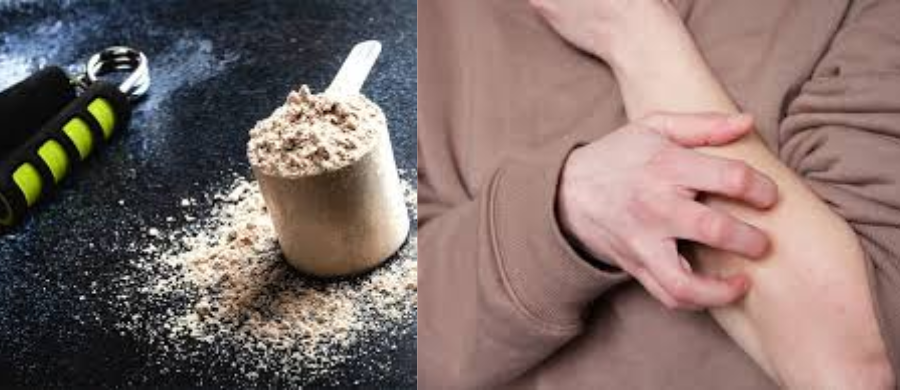
If you’ve ever taken a pre-workout supplement or pure beta-alanine and suddenly felt your skin tingling, itching, or “pins and needles,” you’re not imagining it.
Beta-alanine causes harmless tingling (paresthesia) by activating skin nerve receptors. It’s temporary and not dangerous.
Why does beta-alanine make you itch?
In this SEO-optimized guide for MrSupps, we’ll break down exactly what causes this sensation, whether it is harmful, how long it lasts, and how you can reduce or even prevent it while still getting the full performance benefits.
What Is Beta-Alanine and Why Is It in Pre-Workouts?
Understanding Beta-Alanine’s Role in Performance
Beta-alanine is a non-essential amino acid used by the body to produce carnosine, a compound stored in muscles that helps reduce acid buildup during intense exercise.
When you train hard, especially in high-rep weightlifting, sprinting, or HIIT, your muscles produce lactic acid and hydrogen ions. These contribute to:
- Muscle fatigue
- Burning sensation
- Reduced performance
Beta-alanine increases muscle carnosine levels, which helps buffer acid buildup and allows you to train harder for longer.
Why Athletes and Gym Users Take It
Beta-alanine is commonly included in supplements because it:
- Improves muscular endurance
- Delays fatigue during intense exercise
- Enhances training volume
- Supports performance in high-intensity sports
However, despite its benefits, many users notice an unusual side effect: itching or tingling skin sensations.
Why Does Beta-Alanine Make You Itch?
The Tingling Sensation Is Called “Paresthesia”
The itching or tingling you feel after taking beta-alanine is a harmless condition known as paresthesia.
This sensation can feel like:
- Skin tingling
- Light itching
- “Pins and needles”
- Slight flushing or warmth
It usually occurs within 15–30 minutes after ingestion.
What Actually Causes the Itch?
Beta-alanine activates sensory nerve receptors in the skin called MrgprD receptors.
Here’s what happens:
- Beta-alanine enters your bloodstream
- It interacts with nerve endings in the skin
- These nerves send “tingling” signals to your brain
- You perceive this as itching or pins and needles
Importantly, this is not an allergic reaction and not a sign of harm.
It is simply a temporary neurological response.
Is Beta-Alanine Itching Dangerous?
The Simple Answer Is No
The tingling sensation from beta-alanine is:
- Harmless
- Temporary
- Non-toxic
- Not linked to allergies in most users
It does not damage skin, nerves, or organs.
Why It Feels Stronger in Some People?
The intensity of the sensation can vary based on:
- Dosage size
- Body sensitivity
- Whether taken on an empty stomach
- Supplement form (capsule vs powder)
Some people barely notice it, while others feel a strong tingling.
How Long Does Beta-Alanine Itching Last?
Typical Duration
The sensation usually lasts:
- 15 to 60 minutes
It gradually fades as beta-alanine levels stabilize in the bloodstream.
Why It Disappears Over Time
With consistent use, many users report that the tingling becomes:
- Less intense
- Less noticeable
- Sometimes completely absent
This is due to a process called desensitization, where nerve receptors adapt over time.
Does Beta-Alanine Still Work Without the Itch?
The Itch Is NOT Linked to Effectiveness
One of the biggest myths is that tingling means the supplement is “working.”
This is false.
The performance benefits of beta-alanine come from:
- Increased muscle carnosine levels over time
- Not from the tingling sensation
So even if you don’t feel itching, beta-alanine is still working in your muscles.
Why Consistency Matters More Than Sensation?
Beta-alanine works through saturation, meaning it builds up in your muscles over weeks of daily use.
Typical benefits appear after:
- 2–4 weeks: early improvements
- 4–8 weeks: noticeable endurance boost
- 8+ weeks: full muscle carnosine saturation
How to Reduce or Avoid Beta-Alanine Itching?
Split Your Dose
Instead of taking one large dose, split it into smaller servings:
- 1.5–2 grams multiple times per day
This reduces peak concentration in the bloodstream, lowering tingling intensity.
Take It With Food
Food slows absorption, which can help reduce nerve stimulation.
Best options:
- Breakfast
- Pre-workout meal
- Post-workout shake
Use Sustained-Release Formulas
Some supplements offer slow-release beta-alanine, which:
- Releases gradually into the bloodstream
- Reduces sudden nerve activation
- Minimizes tingling
Start With Lower Doses
Beginners can start with:
- 800 mg to 1.5 g per dose
Then gradually increase as tolerance builds.
Combine With Pre-Workout Strategically
If beta-alanine is part of a pre-workout, you can:
- Take half a scoop instead of full one
- Or separate beta-alanine from stimulant-based supplements
Beta-Alanine Myths You Should Stop Believing
Myth 1 – “Itching Means Allergic Reaction”
False. Allergies involve immune responses like swelling or rash not tingling sensations.
H3: Myth 2 – “No Itch Means It’s Not Working”
Incorrect. The muscle benefits are unrelated to skin sensations.
Myth 3 – “Beta-Alanine Is Harmful Because It Itches”
Not true. Research shows beta-alanine is safe when used appropriately in healthy individuals.
Who Is More Likely to Experience the Itch?
First-Time Users
New users often feel the strongest sensation because their body is not yet accustomed to it.
High-Dose Users
Taking 3–6 grams at once increases the likelihood of tingling.
Fast Absorption Conditions
An empty stomach or liquid-only intake can make the sensation more noticeable.
Benefits of Beta-Alanine Beyond the Itch
H3: Improved Muscular Endurance
Beta-alanine helps you perform more reps and sustain intensity during workouts.
Better High-Intensity Performance
It is especially effective for:
- Sprinting
- CrossFit
- HIIT training
- Weightlifting
Delayed Muscle Fatigue
By buffering acid buildup, beta-alanine helps reduce that “burning” feeling during exercise.
Enhanced Training Volume
More endurance leads to:
- More sets
- More reps
- Better muscle-building stimulus
Final Verdict
The Bottom Line
Beta-alanine makes you itch because it temporarily stimulates nerve receptors in the skin, causing a harmless tingling sensation known as paresthesia.
Key Takeaways
- It is NOT dangerous
- It is NOT an allergy
- It does NOT mean something is wrong
- It can be reduced with proper dosing
Most importantly, the itching is separate from the performance benefits of beta-alanine.
If used correctly, beta-alanine is a highly effective supplement for improving endurance, training performance, and workout capacity.
References
- International Society of Sports Nutrition (ISSN) – Beta-Alanine Position Stand
https://jissn.biomedcentral.com/articles/10.1186/s12970-018-0242-8 - Examine.com – Beta-Alanine Overview
https://examine.com/supplements/beta-alanine/ - National Institutes of Health (NIH) – Dietary Supplement Information
https://ods.od.nih.gov/ - PubMed – Beta-Alanine and Muscle Carnosine Research
https://pubmed.ncbi.nlm.nih.gov/ - Cleveland Clinic – Supplement Safety Information
https://health.clevelandclinic.org/