

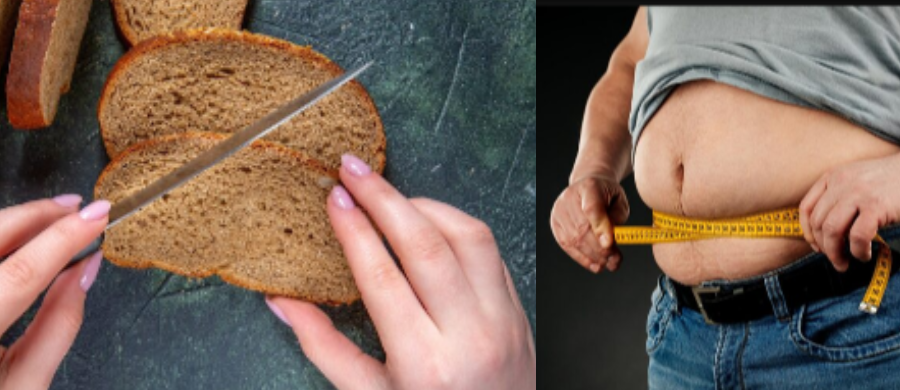
Bread is a staple in diets worldwide. From sandwiches to toast, it’s often part of our daily meals. But with low-carb diets trending, many people ask: Does bread make you fat?
In this guide, we’ll explore the science behind bread, its impact on your weight, and how you can include it in a healthy diet without worrying about gaining fat.
No, bread alone doesn’t make you fat. Weight gain happens when you consume more calories than you burn, so portion and type matter.
What Is Bread Made Of?
Bread is primarily made from flour, water, yeast, and salt. Depending on the type, it may also contain sugar, fats, or additional grains.
Types of Bread
- White Bread – Made from refined flour, low in fiber, and digests quickly.
- Whole Wheat Bread – Made from whole grains, higher in fiber, and has more nutrients.
- Multigrain Bread – Contains several grains and seeds, offering extra fiber and micronutrients.
- Sourdough – Fermented bread that may aid digestion and improve nutrient absorption.
The type of bread you consume can significantly impact how it affects your weight and overall health.
Does Bread Make You Fat?
The simple answer: bread alone does not make you fat. Weight gain occurs when you consume more calories than your body burns.
Calories vs. Weight Gain
Bread contains calories, mostly from carbohydrates:
- 1 slice of white bread: ~70–80 calories
- 1 slice of whole wheat bread: ~80–90 calories
Eating bread in moderation as part of a balanced diet won’t automatically lead to weight gain. It’s excess calories overall, not the bread itself, that causes fat accumulation.
Glycemic Index and Blood Sugar
Refined bread like white bread has a high glycemic index, which means it can cause a rapid spike in blood sugar. This may lead to:
- Increased hunger soon after eating
- Higher calorie intake throughout the day
- Potential fat storage if overeating is frequent
On the other hand, whole-grain bread has a lower glycemic index, helping keep you fuller for longer and supporting stable energy levels.
The Role of Carbs in Your Diet
Carbohydrates are the body’s primary energy source. They fuel your muscles, brain, and daily activities.
H3: How Carbs Affect Weight
- Eating too many refined carbs without physical activity can contribute to fat gain.
- Whole carbs like whole grains, fruits, and vegetables provide energy and fiber, which can aid weight management.
- Your body stores excess carbohydrates as glycogen, and only converts them to fat when glycogen storage is full.
So, bread is not inherently fattening, but portion control and type of bread matter.
White Bread vs. Whole Grain Bread
Not all bread affects the body the same way.
White Bread
- Low in fiber and nutrients
- Quickly digested, can spike blood sugar
- May lead to cravings and overeating
Whole Grain Bread
- High in fiber and nutrients
- Slower digestion, stabilizes blood sugar
- Helps maintain satiety and may aid weight management
Choosing whole grain over white bread is a key strategy for those concerned about weight.
Portion Control Matters
Even healthy bread can contribute to weight gain if eaten in large amounts.
Recommended Servings
- 2–3 slices per day are generally safe for most adults
- Combine with protein and healthy fats to reduce hunger and stabilize energy
- Use bread as a vehicle for nutrient-rich foods like avocado, eggs, or lean protein rather than high-calorie spreads
Mindful eating and portion control are crucial for preventing excess calorie intake.
Common Misconceptions About Bread and Fat
Many people avoid bread entirely, thinking it causes weight gain. Let’s address some myths:
Myth 1 – Bread Makes You Fat Instantly
- Weight gain is caused by caloric surplus over time, not a single food.
- Eliminating bread won’t automatically lead to fat loss if other calories aren’t controlled.
Myth 2 – Carbs Are Bad
- Carbohydrates are essential for energy, digestion, and brain function.
- The type and quality of carbs matter more than eliminating them.
Myth 3 – Gluten-Free Bread Is Always Better
- Gluten-free doesn’t automatically mean low-calorie or healthier.
- Many gluten-free breads are highly processed and can contain more sugar or fat than whole-grain bread.
Tips for Including Bread in a Healthy Diet
Bread can be part of a balanced, weight-conscious diet. Here’s how:
Opt for Whole Grains
Whole-grain or multigrain bread offers fiber, vitamins, and minerals. Fiber slows digestion, keeping you full longer and reducing overeating.
Watch Your Portions
Stick to 2–3 slices per day, paired with protein or healthy fats to enhance satiety.
Pair Bread with Protein
Adding protein-rich foods like eggs, chicken, or cheese balances blood sugar and reduces hunger.
Limit High-Calorie Toppings
Avoid excessive butter, mayonnaise, or sugary spreads, which can increase calorie intake significantly.
Include Bread in an Active Lifestyle
Bread fuels your workouts and daily activity. Pairing carb intake with exercise helps prevent fat storage and supports overall health.
The Science Behind Bread and Weight Gain
Studies show that whole-grain consumption is linked to lower body weight and reduced fat accumulation, while high intake of refined carbs can contribute to weight gain.
Key Research Findings
- Whole-grain intake is associated with better weight management and lower obesity risk.
- Refined bread can spike blood sugar and insulin, potentially promoting fat storage if overeaten.
- Balanced diets that include controlled portions of whole-grain bread do not increase fat mass.
The takeaway: it’s quality and quantity, not bread itself, that determines weight impact.
When Bread May Contribute to Fat Gain
Bread may indirectly contribute to fat gain if:
- You overeat calories regularly
- Pair it with high-calorie spreads or processed meats
- Choose refined white bread consistently without balancing fiber, protein, and healthy fats
In moderation, especially as part of a balanced diet, bread does not automatically lead to fat gain.
Alternatives to Traditional Bread
If you want to limit refined carbs, consider these alternatives:
- Lettuce wraps for sandwiches
- Whole-grain tortillas or wraps
- Sprouted grain bread for higher nutrient absorption
- Cloud bread or low-carb bread for keto-friendly diets
These options can reduce calorie intake while still allowing you to enjoy bread-like meals.
Real-Life Tips for Bread Lovers
- Measure your slices instead of eyeballing portions.
- Combine with vegetables for added fiber and volume.
- Avoid eating bread late at night if you have a sedentary lifestyle.
- Read labels to choose breads with minimal added sugar and preservatives.
Conclusion: Does Bread Make You Fat?
Bread alone does not make you fat. Weight gain occurs due to caloric surplus over time, not a single food. Choosing whole-grain varieties, controlling portions, pairing with protein, and staying active are the keys to including bread in a healthy diet without gaining fat.
By understanding the types of bread and how your body uses carbohydrates, you can enjoy your favorite slices without guilt while managing your weight effectively.
References
👉 U.S. Food and Drug Administration (FDA) – https://www.fda.gov
👉 National Institutes of Health (NIH) – https://www.ncbi.nlm.nih.gov
👉 Mayo Clinic – https://www.mayoclinic.org
👉 Centers for Disease Control and Prevention (CDC) – https://www.cdc.gov
👉 WebMD – https://www.webmd.com
👉 Healthline – https://www.healthline.com