

Maintaining optimal nutrient levels is essential for overall health, energy, and immunity. Among the most commonly used supplements are iron and vitamin D, both crucial yet often deficient in many people. But a common question arises:
Can you take iron and vitamin D together?
In this comprehensive guide, we’ll break down the science, benefits, timing, potential interactions, and best practices to help you get the most out of your supplementation routine.
Yes, you can take iron and vitamin D together safely. They don’t interfere, but for best absorption, take iron on an empty stomach and vitamin D with food.
Why Iron and Vitamin D Matter for Your Health?
The Role of Iron in the Body
Iron is an essential mineral responsible for producing hemoglobin, a protein in red blood cells that carries oxygen throughout your body.
Key Benefits of Iron:
- Prevents iron deficiency anemia
- Supports energy production
- Enhances cognitive function
- Boosts immune health
Low iron levels can lead to fatigue, weakness, pale skin, and shortness of breath.
The Importance of Vitamin D
Vitamin D is a fat-soluble vitamin that plays a critical role in bone health and immune function. It helps your body absorb calcium and maintain proper muscle function.
Key Benefits of Vitamin D:
- Strengthens bones and teeth
- Supports immune defense
- Regulates mood and mental health
- Helps reduce inflammation
Vitamin D deficiency is linked to bone disorders, fatigue, and increased susceptibility to infections.
Can You Take Iron and Vitamin D Together?
The Short Answer: Yes, You Can
There is no harmful interaction between iron and vitamin D when taken together. In fact, combining them can be part of a healthy supplementation routine, especially if you are deficient in both nutrients.
What Science Says
Research shows that vitamin D may even support iron metabolism. Some studies suggest that adequate vitamin D levels can help regulate hepcidin, a hormone that controls iron absorption in the body.
Bottom line: Taking iron and vitamin D together is generally safe and may even offer complementary benefits.
Benefits of Taking Iron and Vitamin D Together
Improved Energy Levels
Iron helps transport oxygen, while vitamin D supports muscle function. Together, they may help reduce fatigue and improve overall vitality.
Enhanced Immune Function
Both nutrients play vital roles in immune defense, making their combination beneficial during illness or seasonal changes.
Better Overall Nutrient Balance
If you’re deficient in multiple nutrients, taking them together simplifies your routine and improves consistency.
Best Time to Take Iron and Vitamin D
How to Take Iron for Maximum Absorption
Iron is best absorbed on an empty stomach, but it can cause stomach upset in some people.
Tips:
- Take iron in the morning if possible
- Pair with vitamin C (like orange juice) to boost absorption
- Avoid taking with calcium, caffeine, or dairy
How to Take Vitamin D
Vitamin D is fat-soluble, meaning it absorbs best when taken with food containing fat.
Tips:
- Take vitamin D with meals
- Include healthy fats like nuts, avocado, or olive oil
Can You Take Them at the Same Time?
Yes, but for optimal absorption, you may want to:
- Take iron on an empty stomach
- Take vitamin D with a meal later in the day
This approach ensures both nutrients are absorbed efficiently.
Potential Side Effects and Precautions
Iron Supplement Side Effects
- Nausea
- Constipation
- Stomach cramps
Vitamin D Side Effects (Rare)
- Nausea
- Weakness
- High calcium levels (with excessive intake)
Who Should Be Careful?
Consult a healthcare provider if you:
- Are you pregnant or breastfeeding
- Have kidney disease
- Have iron overload conditions like hemochromatosis
- Are you taking medications that may interact
Common Mistakes to Avoid
1. Taking Iron with Calcium
Calcium can block iron absorption. Avoid taking them together.
2. Ignoring Dosage Guidelines
More is not always better. Stick to recommended doses.
3. Not Testing Your Levels
Always confirm deficiencies through blood tests before starting supplements.
Who Needs Iron and Vitamin D Supplements?
You May Need Iron If You:
- Experience chronic fatigue
- Have heavy menstrual cycles
- Follow a vegetarian or vegan diet
You May Need Vitamin D If You:
- Have limited sun exposure
- Live in colder climates
- Have bone or joint pain
Can Food Provide Enough Iron and Vitamin D?
Iron-Rich Foods
- Red meat
- Spinach
- Lentils
- Fortified cereals
Vitamin D Sources
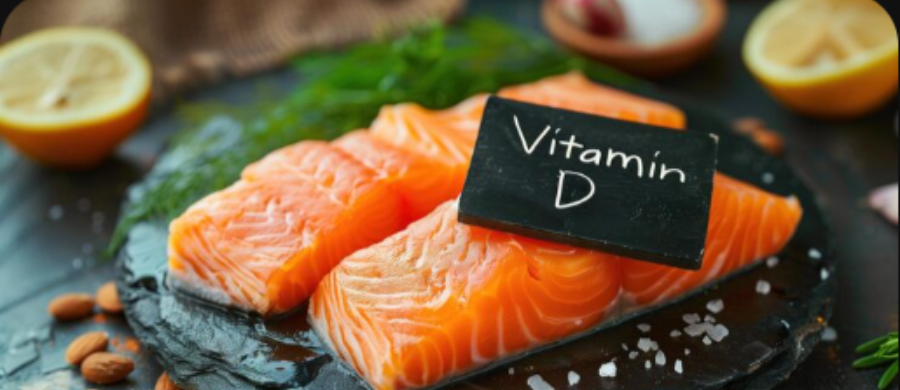
- Fatty fish (salmon, mackerel)
- Egg yolks
- Fortified dairy products
- Sunlight exposure
While diet is important, supplements can help fill nutritional gaps.
Expert Tips for Safe Supplementation
- Choose high-quality supplements from trusted brands like MrSupps
- Stay consistent with your routine
- Monitor your symptoms and energy levels
- Recheck blood levels periodically
Final Verdict: Should You Take Iron and Vitamin D Together?
Yes, you can safely take iron and vitamin D together. There’s no negative interaction, and both nutrients support essential body functions.
However, for best results:
- Take iron on an empty stomach
- Take vitamin D with meals
- Avoid combining iron with calcium
By following these guidelines, you can maximize absorption and improve your overall health.
Frequently Asked Questions
Can I take iron and vitamin D at night?
Yes, but iron may cause stomach discomfort. Morning is usually better.
Can I take them with other supplements?
Yes, but avoid calcium with iron. Always check compatibility.
How long does it take to see results?
You may notice improvements in energy and mood within a few weeks.
References
MedlinePlus – Iron Supplements
👉 https://medlineplus.gov/iron.html
NIH Office of Dietary Supplements – Iron Fact Sheet
👉 https://ods.od.nih.gov/factsheets/Iron-Consumer/
NIH Office of Dietary Supplements – Vitamin D Fact Sheet
👉 https://ods.od.nih.gov/factsheets/VitaminD-Consumer/
Cleveland Clinic – Vitamin D Deficiency
👉 https://my.clevelandclinic.org/health/diseases/15050-vitamin-d-deficiency
Harvard T.H. Chan School of Public Health – Iron
👉 https://www.hsph.harvard.edu/nutritionsource/iron/