

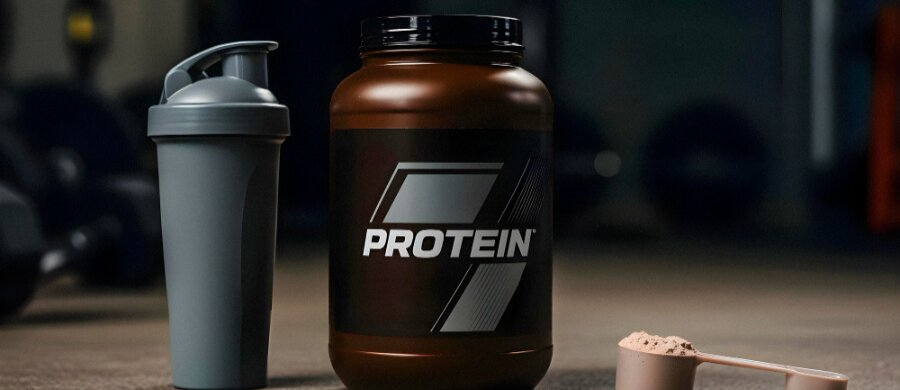
Protein shakes have become a staple in the fitness world, especially for athletes, bodybuilders, and fitness enthusiasts.
But the burning question many ask is: when to take protein shakes to maximize their benefits.
Understanding the optimal timing, type of protein, and how it fits into your daily routine can dramatically enhance muscle growth, recovery, and overall performance.
In this comprehensive guide, we’ll explore everything you need to know about protein shakes, backed by science.
Take protein shakes post-workout, in the morning, or before bed to boost muscle growth, speed recovery, and support lean muscle maintenance.
What Are Protein Shakes?
Protein shakes are beverages typically made by mixing protein powder with water, milk, or plant-based milk alternatives.
They serve as a convenient source of protein, helping individuals meet their daily protein requirements without consuming large quantities of food. Protein shakes usually contain whey, casein, soy, pea, or other protein sources.
Types of Protein Powders
Whey Protein: Derived from milk, whey protein is fast-digesting and ideal for post-workout recovery. It is rich in essential amino acids, especially leucine, which plays a key role in muscle protein synthesis.
Casein Protein: Also milk-derived, casein digests slowly, providing a sustained release of amino acids. This makes it perfect for nighttime consumption.
Plant-Based Protein: Options like pea, rice, or soy protein are excellent for vegans or those with lactose intolerance. They are generally slower to digest than whey but still effective in muscle recovery.
Why Timing Your Protein Shake Matters
While meeting your daily protein requirement is crucial, timing your protein intake can amplify your results. Research shows that consuming protein at certain times can enhance muscle protein synthesis, reduce muscle soreness, and optimize recovery.
Best Time to Take Protein Shakes
1. Post-Workout: The Most Crucial Time
After a workout, your muscles are primed to absorb nutrients to repair and grow. This period is often called the anabolic window, traditionally considered 30-60 minutes post-exercise.
- Why it matters: Protein intake post-workout accelerates muscle repair and growth.
- Recommended intake: 20–40 grams of fast-digesting protein like whey.
Tip: Pair your protein shake with a small portion of carbohydrates (like a banana or oats) to replenish glycogen stores and enhance protein absorption.
2. Pre-Workout: Fuel Your Muscles
Taking a protein shake 30–60 minutes before exercise can help:
- Provide amino acids during your workout
- Reduce muscle breakdown
- Improve endurance and performance
Tip: For pre-workout shakes, consider combining protein with moderate carbs to ensure sustained energy.
3. Morning: Start Your Day Right
After a night of fasting, your body is in a catabolic state, meaning it breaks down muscle tissue for energy. A morning protein shake helps:
- Prevent muscle breakdown
- Jumpstart metabolism
- Support lean muscle maintenance
Tip: Whey protein is ideal for mornings due to its rapid absorption.
4. Before Bed: Support Overnight Recovery
Casein protein is slow-digesting, making it perfect for consumption before sleep. This helps maintain a steady flow of amino acids to muscles during the night.
- Benefits: Reduces muscle breakdown overnight, improves recovery, and may enhance fat loss.
- Recommended intake: 20–40 grams of casein protein before bedtime.
Protein Shakes for Weight Loss: Timing Matters
How Protein Shakes Can Aid Fat Loss
Protein shakes aren’t just for muscle gain—they can also help with weight management. Consuming a protein shake at strategic times can:
- Reduce hunger and curb cravings
- Support lean muscle retention while in a calorie deficit
- Increase thermogenesis, helping your body burn more calories
Best Timing for Weight Loss
- Morning: Kickstarts metabolism and keeps you fuller longer
- Between Meals: Acts as a healthy snack to prevent overeating
- Post-Workout: Helps repair muscles without adding excess calories
Protein Shakes for Vegans and Plant-Based Diets
Choosing the Right Protein
Plant-based protein powders like pea, soy, or rice protein are excellent alternatives to whey or casein. While slightly slower to digest, they still support muscle growth and recovery.
Timing Considerations
- Post-Workout: Combine plant protein with a carb source for optimal recovery
- Morning & Evening: Ensures consistent protein supply throughout the day
Tip: Vegan athletes may need slightly higher daily protein intake to match the amino acid profile of animal-based proteins.
Protein Shakes and Older Adults: Supporting Muscle Health
Why Protein Timing Is Important with Age
As we age, muscle protein synthesis naturally declines, increasing the risk of sarcopenia (muscle loss). Protein shakes can help older adults maintain muscle mass.
Optimal Times for Older Adults
- Morning: Helps counter overnight muscle breakdown
- Post-Workout or Physical Activity: Boosts recovery and strength gains
- Before Bed: Slow-digesting protein like casein helps sustain amino acids overnight
Tip: A daily protein target of 1.2–1.5 g/kg of body weight is recommended for older adults to maintain muscle health.
How Much Protein Do You Need Daily?
Your daily protein requirement depends on activity level, body weight, and fitness goals.
| Goal | Protein Requirement |
|---|---|
| Sedentary | 0.8 g/kg of body weight |
| General fitness | 1.2–1.6 g/kg |
| Muscle gain | 1.6–2.2 g/kg |
| Endurance athletes | 1.2–2.0 g/kg |
Example: If you weigh 70 kg and aim to gain muscle, your target protein intake would be between 112–154 grams daily.
Benefits of Proper Protein Timing
Properly timed protein shakes can provide:
- Enhanced Muscle Growth – Supports muscle protein synthesis when muscles are most receptive.
- Faster Recovery – Reduces soreness and aids repair after intense workouts.
- Weight Management – Helps control appetite and supports lean muscle retention.
- Improved Performance – Sustains energy and prevents fatigue during training.
Common Mistakes to Avoid
- Skipping Post-Workout Protein: Missing the post-exercise window may slow recovery.
- Overconsumption: Extra protein does not translate to more muscle if overall needs are met.
- Neglecting Whole Foods: Protein shakes are supplements, not replacements for nutrient-rich meals.
- Wrong Type of Protein at the Wrong Time: Fast-digesting whey post-workout, slow-digesting casein before bed.
How to Make the Perfect Protein Shake
Ingredients
- 1–2 scoops of protein powder
- 250–300 ml of milk or water
- Optional: banana, oats, peanut butter, or berries for added flavor and nutrition
Steps
- Add liquid to a blender.
- Add protein powder and optional ingredients.
- Blend for 30–60 seconds until smooth.
- Consume immediately post-workout for maximum benefits.
Protein Shake FAQs
Can I take protein shakes multiple times a day?
Yes, as long as your total protein intake aligns with your daily requirement. Many athletes take shakes post-workout, in the morning, and before bed.
Will protein shakes make me bulky?
No. Muscle gain requires a combination of strength training and caloric surplus. Protein alone won’t make you bulky.
Can I replace meals with protein shakes?
Occasionally, yes, but whole foods provide essential micronutrients that protein shakes lack.
Conclusion
Knowing when to take protein shakes is just as important as choosing the right type of protein. Post-workout, pre-workout, morning, and before bed are the most effective times to maximize muscle growth, recovery, and performance.
Coupled with a balanced diet and consistent training, protein shakes can be a powerful tool in achieving your fitness goals.
For anyone serious about optimizing results, integrating protein shakes into a well-planned nutrition schedule is a game-changer.
Make sure to choose the right type of protein for your goals, and time your intake strategically. Your muscles—and your gains—will thank you.
References
Healthline – Protein timing guide
https://www.healthline.com/nutrition/protein-shake-before-or-after-workout
Paleo Pro – Protein shake timing tips
https://paleopro.com/blogs/news/when-to-drink-protein-shake
Active Stacks – Protein timing research
https://activestacks.com/blogs/news/best-time-to-take-protein-powder
Tonum – Eating strategy & protein timing
https://tonum.com/blogs/useful-knowledge/what-is-the-best-time-to-drink-a-protein-shake
Protein Jug – Timing whey around workouts
https://proteinjug.com/best-time-to-take-whey-protein-before-or-after-workout/
.