

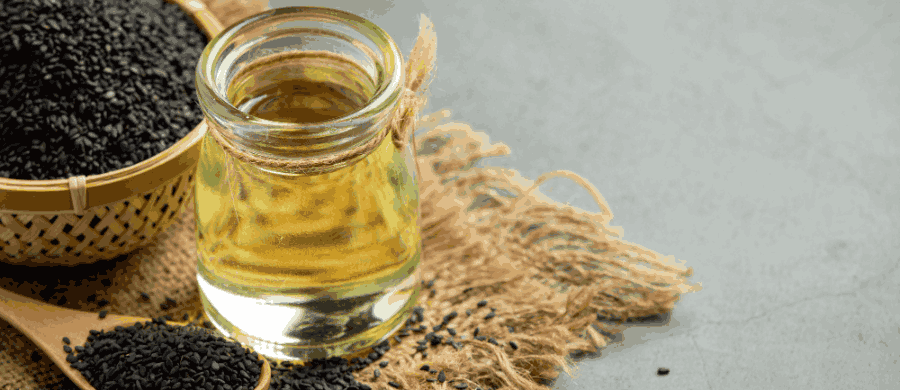
Black seed oil (derived from the seeds of the Nigella sativa plant) is one of the most popular natural supplements in the world today, with a history that dates back thousands of years in traditional medicine.
From supporting immune health to balancing inflammation and boosting energy, this “liquid gold” offers a wide range of benefits. But one of the most common questions people ask is:
When is the best time to take black seed oil for maximum impact?
In this complete guide, we’ll break down everything you need to know about when to take black seed oil, why timing matters, how much to take, and how to incorporate it into your daily routine for the best results.
Take black seed oil in the morning for energy, before meals for digestion, or at night for relaxation—choose a time you can take it consistently daily.
What Is Black Seed Oil?
Black seed oil comes from the tiny black seeds of the Nigella sativa plant, also called black cumin or black caraway.
It’s been treasured for centuries in traditional medicine systems such as Ayurveda and Unani for its rich array of bioactive compounds —including thymoquinone, which is one of the most studied components believed to offer powerful antioxidant and anti‑inflammatory effects.
While research is still evolving, modern studies show that black seed oil may support:
- Immune system function
- Healthy inflammation levels
- Balanced blood sugar levels
- Heart health
- Digestive wellness
- Skin and hair support
Why Timing Matters: When to Take Black Seed Oil
Taking supplements isn’t just about what you take, but when you take it. The timing of black seed oil can impact how your body absorbs its nutrients and how you feel throughout the day.
Morning — Energy & Immunity
Taking black seed oil in the morning is one of the most common and effective timing strategies—especially for:
- Immune support
- Boosting energy levels
- Metabolism and digestion support
Many experts suggest that consuming black seed oil in the morning helps kick‑start your day and can support energy and immune function when your cortisol (stress hormone) levels are naturally highest early in the day.
Morning dosing is particularly helpful if your goal is to feel alert and balanced throughout your day.
Before Meals — Digestive Support
Some people prefer taking black seed oil before meals, ideally about 20–30 minutes prior. This timing can:
- Support digestive comfort
- Promote a feeling of fullness
- Potentially helps regulate appetite
Taking it before eating may give the body a chance to prepare for digestion and nutrient absorption.
Afternoon — Workout & Health Benefits
If you’re taking black seed oil for muscle recovery, joint comfort, or inflammation balance, taking it with lunch or before an afternoon workout can be beneficial.
This strategy ensures that your body has steady phytochemicals available throughout the day to potentially support exercise and recovery.
Evening — Sleep & Restorative Repair
Some folks swear by taking black seed oil at night as part of a relaxation routine.
Though scientific evidence is mixed, many users report:
- A sense of calm before sleep
- Better recovery overnight
- Reduced stress markers
Taking black seed oil at night may be particularly helpful if your goals include inflammation relief or skin and cellular repair, which can occur while the body is resting.
Best Practices: Timing Based on Your Goals
Here’s a quick reference on when to take black seed oil based on popular wellness goals:
| Goal | Recommended Time | Notes |
|---|---|---|
| Energy & Daytime Focus | Morning | Supports immune and metabolic function |
| Digestive Comfort | Before Meals | May assist with appetite and digestion |
| Workout Support | Around Lunch | Helpful before physical activity |
| Sleep & Recovery | Evening | Enjoy as part of bedtime routine |
How Much Black Seed Oil Should You Take?
Recommended dosages can vary depending on your goals and tolerance. Most research and clinical references show effective ranges between:
- 1 – 5 grams (about 1 – 3 teaspoons) per day
- For many people, taking 1–2 teaspoons daily is sufficient
- Some therapeutic studies use up to 5 grams per day in controlled settings
Duration matters too—most clinical research studies span 4 to 12 weeks when observing measurable improvements.
Pro tips:
- Start with a smaller dose (like 1 teaspoon) for the first week
- Increase gradually if tolerated well
- Always consult with your healthcare provider before doubling or tripling doses
How to Take Black Seed Oil (Simple Methods)
Here are some effective ways to take black seed oil:
Straight by Spoon
Takes 1–2 teaspoons daily. Great if you like the natural flavor.
With Tea or Smoothies
Mix into herbal tea or a smoothie for a delicious way to mask its strong taste.
With Honey
Pair with honey to make the flavor more pleasant and to enjoy added benefits.
In Food
Add to salad dressings, yogurt, or drizzle over cooked veggies (don’t heat too high to preserve nutrients).
Safety, Side Effects & Precautions
Black seed oil is generally considered safe for most adults when taken within recommended doses. However, it’s important to know possible side effects and cautions:
- Stomach upset or mild digestive discomfort in some individuals
- Allergic reactions in rare cases
- Can affect blood sugar and blood pressure
- May interact with medications—especially blood thinners and diabetes drugs
Stop use at least two weeks before surgery, and always tell your healthcare provider about supplements you’re using.
Tip: Start with lower dosages and only increase after ensuring you tolerate it well.
Should You Cycle Black Seed Oil?
Some practitioners suggest breaking up long use cycles (like 8–12 weeks of daily use) with short breaks. This can help you assess how your body responds and prevent potential tolerance buildup.
While there’s no universal rule, taking short breaks after a prolonged regimen can be beneficial—especially if you’re using high doses.
Science & Research: What the Evidence Shows
Black seed oil has been studied for various health outcomes:
Anti‑Inflammatory Properties
The active compound thymoquinone helps reduce inflammation markers in the body, which can support overall wellness and reduce chronic inflammation.
Heart Health Support
Some studies suggest possible benefits for cholesterol and blood pressure when taken consistently over weeks.
Immune Balance
Consistent day‑to‑day use may support immune function, although evidence is still evolving and more human trials are needed.
Summary: When to Take Black Seed Oil
- Morning doses help boost energy and immune support.
- Before meals may enhance digestion and appetite control.
- Afternoon doses can align with workouts and activity.
- Evening doses support relaxation and restorative repair.
Ultimately, the best time is when you’ll consistently take it every day. Whether you prefer mornings, evenings, or split dosing, consistency is key to experiencing real benefits.
Final Tips for Maximum Results
- Choose high‑quality, cold‑pressed black seed oil
- Be consistent with timing for several weeks
- Pair with a balanced diet and a healthy lifestyle
- Always consult a healthcare professional when in doubt
Black seed oil can be a powerful addition to your wellness routine—when taken thoughtfully and with awareness of timing and dosage.
References
Centre of Excellence – Best time to take black seed oil
👉 https://www.centreofexcellence.com/black-seed-oil/
WebMD – Black seed health benefits overview
👉 https://www.webmd.com/diet/black-seed-health-benefits
Botanical Institute – Best time of day for black seed oil
👉 https://botanicalinstitute.org/when-to-take-black-seed-oil/
Biology Insights – Timing & absorption of black seed oil
👉 https://biologyinsights.com/what-is-the-best-time-of-day-to-take-black-seed-oil/
MedicineNet – Black seed oil dosage & effects
👉 https://www.medicinenet.com/black_seed_oil_benefits_dosage_and_side_effects/article.htm
.