

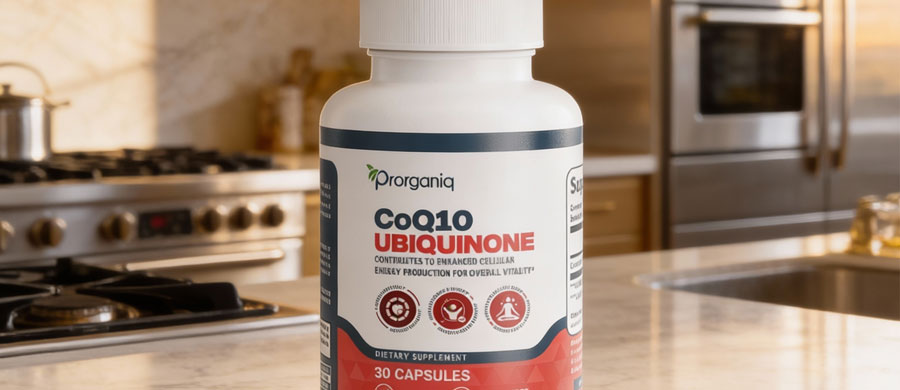
Coenzyme Q10 (CoQ10) has gained immense popularity in the fertility and wellness world. Known for its antioxidant properties and ability to improve egg quality and sperm health, many couples turn to CoQ10 to enhance their chances of conception.
But while this supplement can be beneficial, it’s essential to know when to stop taking CoQ10 for fertility to avoid potential side effects and ensure optimal health.
In this guide, we’ll break down the science, benefits, dosing strategies, and signs that indicate it’s time to pause or discontinue CoQ10.
Stop taking CoQ10 for fertility if your doctor advises, if you experience side effects like nausea or insomnia, or after successfully conceiving.
What is CoQ10 and How Does It Affect Fertility?
Coenzyme Q10 is a naturally occurring antioxidant in the body that plays a critical role in energy production at the cellular level. It’s particularly concentrated in organs with high energy demands, like the heart, liver, and reproductive organs.
CoQ10 and Female Fertility
Research shows that CoQ10 may help improve ovarian function and egg quality, especially in women over 35. Aging eggs often have reduced mitochondrial function, which CoQ10 can support. Supplementation can enhance oocyte quality, potentially increasing IVF success rates.
CoQ10 and Male Fertility
In men, CoQ10 improves sperm motility and overall sperm health. Sperm cells rely heavily on mitochondrial energy, and CoQ10 supports this process. Studies suggest that men with low CoQ10 levels may experience lower fertility, making supplementation a helpful intervention.
Benefits of Taking CoQ10 for Fertility
Understanding the benefits can help you determine whether continuing CoQ10 is right for your fertility journey.
Supports Egg Quality
CoQ10 enhances mitochondrial function in eggs, which may improve maturation and overall quality. This is particularly important for women experiencing age-related fertility decline.
Improves Sperm Health
CoQ10 supplementation can improve sperm motility and morphology, enhancing male fertility outcomes naturally.
Provides Antioxidant Protection
Oxidative stress can damage reproductive cells. CoQ10 helps neutralize free radicals, reducing cellular damage in both eggs and sperm.
May Enhance IVF Success
Some studies indicate that taking CoQ10 before IVF cycles can increase the number of high-quality eggs retrieved and improve fertilization rates.
Recommended Dosage and Duration
The dosage of CoQ10 varies depending on individual needs, age, and fertility goals. Typical daily dosages range from 100 mg to 600 mg, often divided into two doses.
How Long Should You Take CoQ10?
Fertility experts generally recommend taking CoQ10 for at least 3–6 months to allow the body to build up mitochondrial health. However, the exact duration depends on your treatment plan and response.
Monitoring Progress
Regular check-ins with a fertility specialist or reproductive endocrinologist are crucial. They may monitor ovarian reserve, sperm health, or IVF outcomes to decide if continuing supplementation is beneficial.
When to Stop Taking CoQ10 for Fertility
While CoQ10 is generally safe, there are specific situations where stopping supplementation is advised.
Signs You May Need to Stop
- Adverse Side Effects: Nausea, stomach upset, headaches, or insomnia.
- Medication Interactions: Blood thinners or chemotherapy drugs may interact with CoQ10.
- Medical Advice: Your fertility specialist recommends stopping, especially before surgery or certain IVF protocols.
Adjusting or Stopping Based on Treatment Goals
Some patients discontinue CoQ10 after achieving a successful pregnancy or if lab results indicate sufficient CoQ10 levels. Others may pause if switching fertility protocols. Always consult your doctor before making changes.
Potential Risks and Side Effects
CoQ10 is well-tolerated in most people, but it’s not completely free of risks.
Common Side Effects
- Mild digestive issues (nausea, diarrhea)
- Headaches
- Insomnia in sensitive individuals
Rare But Serious Risks
Although rare, CoQ10 may interact with medications like warfarin, affecting blood clotting. Patients on prescription drugs should always consult a healthcare professional before starting supplementation.
Tips for Optimizing Fertility With CoQ10
In addition to supplementation, combining CoQ10 with other lifestyle strategies can maximize fertility outcomes.
Combine With a Balanced Diet
Eating a diet rich in antioxidants (fruits, vegetables, nuts) complements CoQ10 supplementation.
Exercise Regularly
Moderate physical activity supports blood flow to reproductive organs and enhances overall mitochondrial function.
Avoid Oxidative Stress
Minimize exposure to smoking, excessive alcohol, and environmental toxins, which can undermine CoQ10’s benefits.
Pair With Other Fertility Supplements
Some patients benefit from combining CoQ10 with DHEA, vitamin D, or omega-3 fatty acids, but only under professional guidance.
Conclusion
CoQ10 is a powerful supplement that can support both male and female fertility by improving egg quality, sperm health, and overall reproductive function.
While generally safe, it’s important to know when to stop taking CoQ10 for fertility—whether due to side effects, interactions with medications, or guidance from your fertility specialist.
By combining CoQ10 supplementation with a healthy lifestyle, regular medical monitoring, and professional guidance, you can maximize your chances of conception while minimizing risks.
Remember, every fertility journey is unique, so consulting with a healthcare provider before starting, adjusting, or stopping CoQ10 is key to achieving the best outcomes.
Take control of your fertility journey with informed choices and the right support—CoQ10 can be a helpful ally, but timing, dosage, and medical oversight are essential.
References
1. Mayo Clinic – Overview of CoQ10 uses, safety, and fertility benefits.
👉https://www.mayoclinic.org/drugs-supplements-coenzyme-q10
2. National Institutes of Health (NIH) – CoQ10 fact sheet with research on dosage and effects.
👉https://ods.od.nih.gov/factsheets/CoenzymeQ10-Consumer/
3. National Institutes of Health (NIH) – Does CoQ10 improve fertility guide.
👉https://pmc.ncbi.nlm.nih.gov/articles/PMC7550497/
4. WebMD – CoQ10 side effects, interactions, and safety considerations.
👉https://www.webmd.com/vitamins/ai/ingredientmono-940/coenzyme-q10
5. Cleveland Clinic – CoQ10 supplementation tips for fertility and general wellness.
👉https://my.clevelandclinic.org/health/drugs/21522-coenzyme-q10
.