

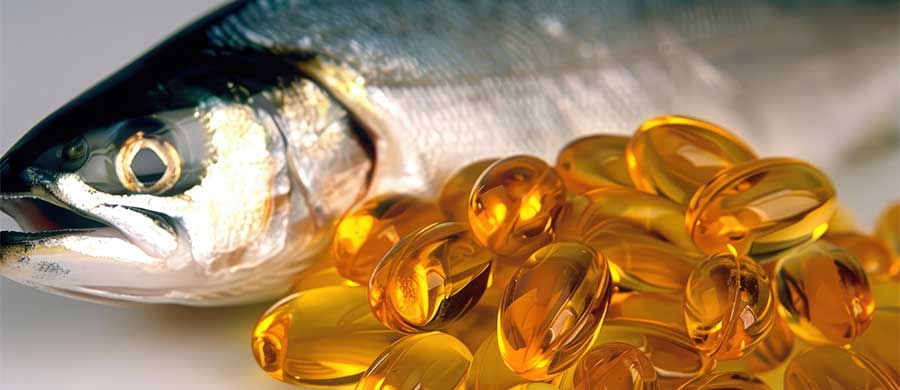
Fish oil supplements have become a staple in many people’s health routines, offering a wealth of benefits from improved heart health to enhanced brain function.
However, many individuals are left wondering: when is the best time to take fish oil for maximum effectiveness?
In this comprehensive guide, we’ll dive deep into the science, timing strategies, dosage recommendations, and practical tips to help you get the most out of your fish oil supplements.
The best time to take fish oil is with a meal containing healthy fats, morning or evening, to maximize absorption and reduce digestive discomfort.
Understanding Fish Oil: What Makes It So Powerful?
What Is Fish Oil?
Fish oil is derived from the tissues of oily fish such as salmon, mackerel, and sardines. It is rich in omega-3 fatty acids, particularly EPA (eicosapentaenoic acid) and DHA (docosahexaenoic acid), which play crucial roles in overall health.
Health Benefits of Fish Oil
- Heart Health – Studies show omega-3s can help reduce triglycerides, lower blood pressure, and decrease the risk of heart disease.
- Brain Function – DHA is essential for brain development and cognitive performance, potentially reducing the risk of cognitive decline.
- Inflammation Reduction – Fish oil’s anti-inflammatory properties can alleviate symptoms of arthritis and other inflammatory conditions.
- Eye Health – Omega-3 fatty acids support retinal function and may lower the risk of macular degeneration.
- Mental Well-being – Regular intake has been linked to reduced symptoms of depression and anxiety.
For those looking to improve overall wellness, fish oil is a versatile supplement with scientifically backed benefits.
When Is the Best Time to Take Fish Oil?
The Importance of Timing
While fish oil is beneficial at any time, the timing of consumption can influence absorption and effectiveness. Omega-3 fatty acids are fat-soluble, meaning they are better absorbed when taken with meals that contain dietary fat.
Morning vs. Evening: Which Is Better?
Morning Intake
- Pros: Taking fish oil in the morning with breakfast may help incorporate it into your daily routine and prevent forgetfulness.
- Cons: If breakfast is low in fat, absorption may be reduced, and some individuals experience mild gastrointestinal discomfort.
Evening Intake
- Pros: Taking fish oil with dinner, especially a meal high in fat, can optimize absorption. Some studies suggest evening consumption may reduce morning stiffness in those with joint pain.
- Cons: Taking it too late may cause a mild fishy aftertaste or burps for sensitive individuals.
Overall, the best time to take fish oil is with a meal containing fat, regardless of morning or evening. This ensures maximum absorption and reduces potential digestive discomfort.
How Often Should You Take Fish Oil?
Most experts recommend splitting your daily dose if you take more than 1 gram of combined EPA and DHA. For example:
- Single dose: 1 gram of fish oil with a meal
- Split dose: 500 mg with breakfast and 500 mg with dinner
Splitting doses can minimize gastrointestinal issues and improve overall absorption.
Factors That Affect Fish Oil Absorption
Several factors can influence how effectively your body absorbs fish oil:
1. Fat Content of the Meal
Since omega-3s are fat-soluble, taking fish oil with a meal containing healthy fats like avocado, olive oil, or nuts enhances absorption.
2. Form of Fish Oil
- Triglyceride form: Highly bioavailable, closer to the natural form in fish
- Ethyl ester form: Less expensive but slightly lower absorption
- Phospholipid form (krill oil): Highly bioavailable and may reduce fishy aftertaste
3. Individual Digestive Health
Digestive issues, low bile production, or certain medications can reduce absorption. Consider micronized or emulsified fish oil supplements for better results if digestion is a concern.
Tips to Maximize Fish Oil Benefits
1. Pair With Fat-Rich Meals
Take fish oil with meals that contain healthy fats to maximize absorption. Examples include:
- Breakfast: eggs with avocado
- Lunch: salad with olive oil dressing
- Dinner: salmon with roasted vegetables
2. Consistency Is Key
Omega-3 fatty acids build up in your system over time. Daily intake is crucial for long-term benefits.
3. Store Properly
Fish oil can oxidize and lose potency. Keep bottles refrigerated and away from direct sunlight. Always check the expiration date.
4. Reduce Fishy Aftertaste
- Take fish oil capsules with meals
- Try enteric-coated capsules
- Freeze capsules briefly before ingestion
How Much Fish Oil Should You Take?
Dosage varies depending on health goals:
| Goal | Recommended Daily Dose |
|---|---|
| General health | 250–500 mg EPA+DHA |
| Heart health | 1,000 mg EPA+DHA |
| High triglycerides | 2–4 grams EPA+DHA |
Always consult a healthcare provider before starting high-dose fish oil supplementation, especially if taking blood-thinning medications.
Fish Oil and Exercise: Does Timing Matter?
Athletes and fitness enthusiasts can benefit from fish oil’s anti-inflammatory properties. Some research suggests:
- Post-workout intake may help reduce exercise-induced inflammation
- Pre-workout intake can support joint health and flexibility
Ultimately, pairing fish oil with a meal is more important than the exact timing relative to workouts.
Potential Side Effects and Precautions
While fish oil is generally safe, potential side effects include:
- Mild fishy aftertaste or burps
- Nausea or indigestion
- Loose stools at high doses
Precautions:
- People on anticoagulants or with bleeding disorders should consult a doctor
- High doses may interact with certain medications
Choosing high-quality, purified fish oil supplements can minimize these risks.
Conclusion: The Optimal Strategy for Taking Fish Oil
The key takeaway is simple: take fish oil consistently with meals that contain fat. Whether in the morning or evening, with breakfast or dinner, fat-soluble absorption ensures your body benefits fully from omega-3 fatty acids.
For those serious about maximizing heart, brain, joint, and eye health, incorporating a daily fish oil routine with proper timing and dosage is a small yet impactful step toward long-term wellness.
References
Mayo Clinic – Fish Oil: Benefits and Dosage
👉https://www.mayoclinic.org/drugs-supplements-fish-oil/art-20364810
National Institutes of Health – Omega-3 Fatty Acids
👉https://ods.od.nih.gov/factsheets/Omega3FattyAcids-Consumer/
American Heart Association – Fish and Omega-3 Fatty Acids
👉https://www.heart.org/en/healthy-living/healthy-eating/fish-and-omega-3-fatty-acids
Cochrane Review – Omega-3 Fatty Acids
👉https://www.cochranelibrary.com/cdsr/doi/10.1002/14651858.CD003177.pub5/full
Healthline – When to Take a Fish Oil Supplement.
👉https://www.healthline.com/nutrition/best-time-to-take-fish-oil
.