

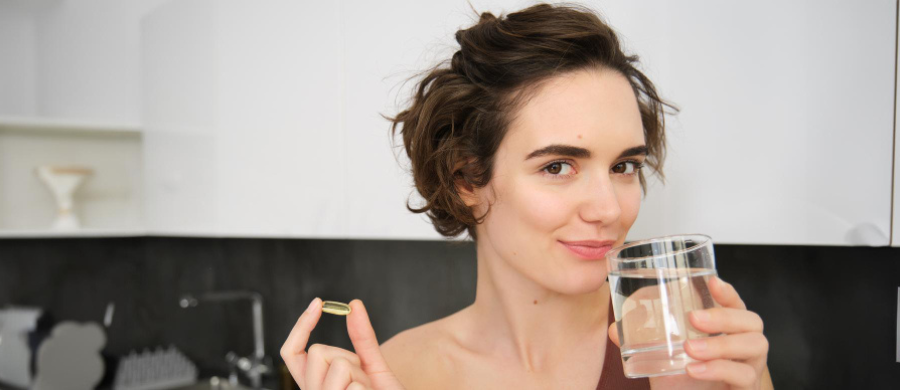
Biotin, also known as vitamin B7, has become one of the most popular supplements for improving hair, skin, and nail health.
But with all the hype around it, a common question arises: when is the best time to take biotin for optimal results?
In this comprehensive guide, we’ll break down everything you need to know about biotin, its benefits, how it works in your body, and the best ways and times to take it for maximum effectiveness.
The best time to take biotin is in the morning with breakfast, ensuring consistent daily intake for optimal absorption and hair, skin, and nail benefits.
What is Biotin and Why Is It Important?
Biotin is a water-soluble B vitamin that plays a crucial role in the body’s metabolism. It helps convert food into energy by supporting enzymes that break down fats, carbohydrates, and proteins. Beyond metabolism, biotin is celebrated for its potential benefits in promoting:
- Healthier, stronger hair
- Thicker nails
- Glowing skin
Biotin deficiencies are rare, but for those who experience brittle nails, hair thinning, or skin issues, supplementation may provide noticeable improvements.
How Biotin Works in the Body
Biotin acts as a coenzyme for several carboxylase enzymes, which are essential for:
- Fatty Acid Synthesis: Helps your body build and maintain healthy fats that are important for skin and hair.
- Amino Acid Metabolism: Supports the production of keratin, a protein essential for hair and nails.
- Glucose Metabolism: Converts glucose into energy, keeping your body energized and functional.
Understanding how biotin works helps clarify why timing may influence its effectiveness.
Factors That Affect Biotin Absorption
Even though biotin is water-soluble and generally safe, its absorption can be influenced by several factors:
1. Diet
Foods rich in biotin, like eggs, nuts, and salmon, can support supplementation. However, consuming raw egg whites may actually inhibit biotin absorption due to a protein called avidin.
2. Timing and Meal Composition
Biotin absorption can be influenced by whether you take it with food or on an empty stomach. Fat-containing meals may aid in the absorption of some biotin supplements.
3. Supplement Form
Biotin is available in tablets, capsules, gummies, and soft gels. Some forms may be absorbed more efficiently than others, depending on your digestive health.
When is the Best Time to Take Biotin?
There’s no one-size-fits-all answer, but research and anecdotal evidence suggest that timing can impact biotin’s effectiveness, particularly for energy metabolism and hair/nail benefits.
Morning vs. Evening
- Morning: Many experts recommend taking biotin in the morning with breakfast. This aligns with your body’s natural metabolism and energy cycles. Biotin may help convert the food you eat into energy efficiently, giving your day a boost.
- Evening: Some people prefer evening intake, but there is less research supporting significant benefits at night. Some users report mild digestive discomfort if taken on an empty stomach.
With or Without Food?
- Taking biotin with food may enhance absorption and reduce potential stomach upset.
- Biotin is water-soluble, so it does not require fat for absorption, but pairing it with a balanced meal can improve overall digestion.
Consistency Matters More Than Timing
While timing has its nuances, the most important factor is consistency. Taking biotin daily at the same time ensures stable blood levels, which may maximize benefits for hair, skin, and nails.
How Much Biotin Should You Take?
Recommended daily intake varies by age, sex, and health goals:
| Age Group | Recommended Daily Allowance (RDA) |
|---|---|
| Adults | 30 mcg |
| Pregnant Women | 30 mcg |
| Lactating Women | 35 mcg |
For hair, skin, and nail support, many supplements offer biotin doses ranging from 2,500 mcg to 10,000 mcg, which is significantly higher than the RDA.
High doses are generally considered safe, but it’s best to consult with a healthcare professional before starting any new supplement regimen.
Benefits of Taking Biotin
1. Hair Growth
Biotin supports keratin production, strengthening hair strands and potentially reducing hair thinning. Some studies suggest that biotin supplementation may benefit people with hair loss due to deficiency or other factors.
2. Nail Strength
Brittle nails can improve with biotin supplementation. Clinical studies have shown that daily doses of biotin can increase nail thickness and reduce splitting.
3. Skin Health
Biotin contributes to skin health by supporting fatty acid metabolism, which helps maintain skin hydration and barrier function.
4. Energy Boost
By helping metabolize carbohydrates, fats, and proteins, biotin supports energy production, which may enhance overall vitality and reduce fatigue.
Tips for Maximizing Biotin Effectiveness
To get the most out of your biotin supplement:
Pair with a Balanced Diet
Include protein-rich foods, fruits, and vegetables to support overall health and synergize with biotin supplementation.
Stay Hydrated
Since biotin is water-soluble, drinking enough water ensures optimal absorption and supports metabolism.
Be Patient
Hair, skin, and nail improvements take time. Expect visible results after 3–6 months of consistent supplementation.
Avoid Interactions
Biotin can interfere with certain lab tests, particularly thyroid and hormone tests. Always inform your doctor if you are taking biotin supplements.
Who Should Take Biotin?
Biotin supplementation may be particularly beneficial for:
- People with brittle nails or hair thinning
- Pregnant or breastfeeding women (with doctor’s guidance)
- Those with biotin deficiencies due to diet or medical conditions
- Anyone looking to support skin, hair, and nail health
Potential Side Effects and Safety
Biotin is generally safe and non-toxic, even at high doses. However, some minor side effects can occur, such as:
- Mild digestive upset
- Skin rash (rare)
- Lab test interference
Always follow recommended doses and consult a healthcare provider if you have underlying conditions or are on medication.
Best Practices for Taking Biotin Supplements
- Take at the same time daily
- Preferably taken with meals
- Combine with a nutrient-rich diet for synergistic benefits
- Monitor progress over 3–6 months
- Inform your doctor before surgery or lab tests
By following these best practices, you can maximize biotin’s benefits while minimizing any potential risks.
Conclusion: Timing Is Important, But Consistency Wins
While there’s no strict “best time” to take biotin, the consensus is that taking it in the morning with a meal is ideal for most people.
More important than exact timing is daily consistency, pairing with a healthy diet, and patience. With the right approach, biotin can be a safe and effective supplement for improving hair, skin, nails, and overall metabolic health.
References
Humanly – Optimal Biotin Timing
👉https://humanly.com/health-library/vitamins/biotin/optimal-biotin-time
Cleveland Clinic – Biotin Benefits & Info
👉https://health.clevelandclinic.org/benefits-of-biotin/
Verywell Health – Best Time to Take Biotin
👉https://www.verywellhealth.com/best-time-to-take-biotin-11732757
CyVitamin – Biotin Timing Tips
👉https://cyvitamin.com/article/when-is-the-best-time-to-take-biotin-vitamins
SnuggyMom – When to Take Biotin
👉https://snuggymom.com/when-should-you-take-biotin/
.