

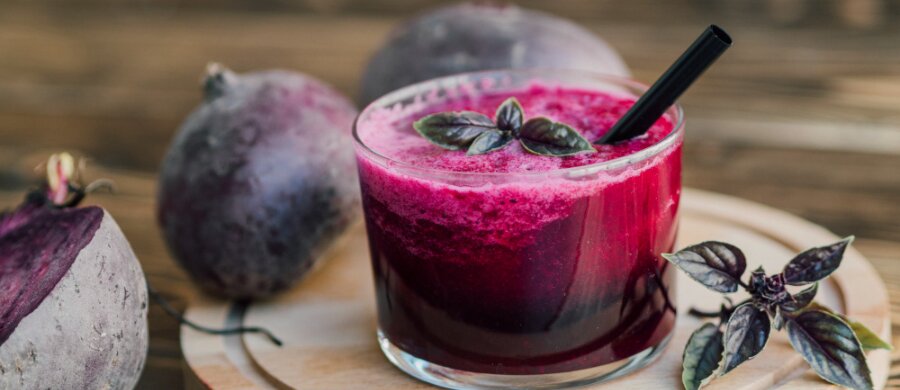
Beet juice has surged in popularity as a functional superfood, celebrated for its deep red hue, unique earthy flavor, and remarkable health benefits.
But despite its growing fame, many people wonder: when is the best time to drink beet juice? Timing can influence how your body absorbs and utilizes the nutrients, affecting energy, endurance, and overall health.
In this article, we’ll explore the science-backed benefits of beet juice, the optimal times to consume it, and practical tips to get the most out of this natural elixir.
What is Beet Juice?
Beet juice is extracted from the root of the beet plant, also known as Beta vulgaris. Rich in nitrates, antioxidants, vitamins, and minerals, beet juice offers a potent combination of nutrients in liquid form, making it highly bioavailable.
Nutritional Composition of Beet Juice
Beet juice is low in calories but high in essential nutrients. Here’s what you’ll typically find in one cup (about 240 ml) of raw beet juice:
- Calories: ~100
- Carbohydrates: 24 g
- Protein: 2 g
- Vitamin C: 15% of the daily value (DV)
- Folate: 37% DV
- Potassium: 13% DV
- Nitrates: ~300–500 mg
These nitrates convert into nitric oxide in the body, a molecule that relaxes and dilates blood vessels, improving circulation and oxygen delivery to muscles.
Why People Drink Beet Juice
Beet juice is not just a trendy drink—it’s valued for a variety of health benefits:
- Boosting athletic performance
- Supporting heart health
- Lowering blood pressure
- Enhancing brain function
- Detoxifying the liver
The Science Behind Beet Juice Benefits
Improved Athletic Performance
One of the most researched benefits of beet juice is its impact on endurance and physical performance. Studies show that the nitrates in beet juice can reduce oxygen cost during exercise, allowing athletes to sustain higher intensity for longer periods.
Key study: A 2013 study in the Journal of Applied Physiology found that cyclists who consumed 500 ml of beet juice daily improved their time-trial performance by up to 16%.
Heart Health and Blood Pressure
Beet juice is a natural vasodilator, meaning it widens blood vessels and improves blood flow. This can lead to lower blood pressure, reducing the risk of heart disease.
Evidence: Research published in Hypertension demonstrated that drinking 250 ml of beet juice daily reduced systolic blood pressure by an average of 8 mmHg in adults with hypertension.
Brain Function and Cognitive Health
Nitric oxide from beet juice enhances blood flow to the brain, which may improve cognitive function, particularly in older adults. Improved cerebral circulation is linked to better focus, memory, and mental clarity.
When is the Best Time to Drink Beet Juice?
Timing matters when it comes to maximizing the benefits of beet juice. Here’s what science and experts suggest:
1. Before Workouts
Why: Drinking beet juice 2–3 hours before exercise can increase nitric oxide levels, improving endurance and reducing fatigue.
Tip: Mix beet juice with a small amount of water or pair it with a light snack to avoid stomach discomfort.
2. Morning on an Empty Stomach
Why: Consuming beet juice first thing in the morning ensures better absorption of nutrients like folate, potassium, and vitamin C.
Tip: Drink 1 cup of fresh beet juice in the morning for an energy boost and metabolic support.
3. Between Meals
Why: Drinking beet juice between meals can help prevent spikes in blood sugar, as the nitrates support blood flow and metabolic function.
4. Evening Considerations
Why: Some people avoid beet juice at night due to its natural sugars and potential mild diuretic effect. If you’re sensitive, stick to morning or pre-workout consumption.
How Much Beet Juice Should You Drink?
Recommended Dosage
While beet juice is safe for most people, moderation is key. Experts suggest:
- Daily intake: 250–500 ml (1–2 cups)
- Frequency: 3–5 times per week
Excessive intake may cause beeturia (pink or red urine), which is harmless but can be surprising.
Safety Considerations
Beet juice is generally safe but may interact with medications for blood pressure or kidney stones due to its oxalate content. Consult a healthcare provider if you have pre-existing conditions.
Tips for Maximizing Beet Juice Benefits
Combine with Other Nutrient-Rich Foods
Pair beet juice with fruits like apples or carrots to improve flavor and add extra antioxidants.
Choose Fresh Over Bottled
Freshly juiced beets retain more nutrients than pre-packaged options, which may contain added sugar or lose potency over time.
Store Properly
Store fresh beet juice in an airtight container in the refrigerator and consume within 24–48 hours to maintain nutrient integrity.
Consider Nitrate Timing
For exercise performance, research shows that nitrate levels peak 2–3 hours after consumption. Planning beet juice intake around workouts is key.
Beet Juice for Specific Health Goals
Cardiovascular Health
Beet juice is highly effective for improving circulation and lowering blood pressure, particularly for those with mild hypertension.
Weight Management
Though low in calories, beet juice can promote satiety and support metabolism, making it a valuable addition to weight management plans.
Brain Health
Older adults may benefit from daily beet juice to enhance cognitive function and potentially reduce the risk of age-related cognitive decline.
Potential Side Effects and Precautions
While beet juice is safe for most people, some may experience:
- Beeturia: Pink or red urine, harmless
- Digestive upset: Bloating or gas in sensitive individuals
- Kidney stone risk: High oxalate content may be an issue for those prone to kidney stones
Always start with a smaller dose to assess tolerance and consult a healthcare provider if you have pre-existing conditions.
Delicious Ways to Include Beet Juice in Your Routine
Beet Juice Smoothies
Blend beet juice with spinach, banana, and ginger for a nutrient-packed morning smoothie.
Beet Juice Shots
Take a 60 ml shot of beet juice before your workout for quick nitric oxide support.
Mixed Vegetable Juice
Combine beet juice with carrot, celery, and cucumber for a refreshing, low-calorie drink.
Frequently Asked Questions About Beet Juice
Does Beet Juice Really Boost Performance?
Yes, numerous studies confirm that the nitrates in beet juice improve oxygen efficiency and endurance, particularly in aerobic exercises.
Can I Drink Beet Juice Every Day?
Moderate daily consumption (250–500 ml) is safe for most people. Alternate with other juices to maintain a balanced nutrient intake.
Are There Alternatives to Beet Juice?
Yes, nitrate-rich vegetables like spinach, arugula, and celery can offer similar benefits if you prefer not to drink beet juice.
Conclusion: Timing is Everything
Beet juice is a versatile superfood with benefits ranging from improved athletic performance to better heart and brain health.
Understanding when is the best time to drink beet juice allows you to harness its full potential. For most people, consuming it in the morning, before workouts, or between meals maximizes absorption and performance benefits.
Remember to start with moderate doses, enjoy fresh preparations, and integrate beet juice into a balanced diet for the best results.
References
Healthline – Beet Juice Lowers Blood Pressure
👉https://www.healthline.com/health/food-nutrition/beet-juice-recipe
Healthline – Beet Juice Benefits & Exercise Stamina
👉https://www.healthline.com/health/food-nutrition/beetroot-juice-benefits
Beet It US – When & How Much Beet Juice to Drink
👉https://www.beet-it.us/blogs/news/beet-juice-for-athletes
Beet It US – Beet Juice as Pre‑Workout Guide
👉https://www.beet-it.us/blogs/news/beet-juice-as-pre-workout
Medical News Today – Beet Juice & Blood Pressure Study
👉https://www.medicalnewstoday.com/articles/288229