

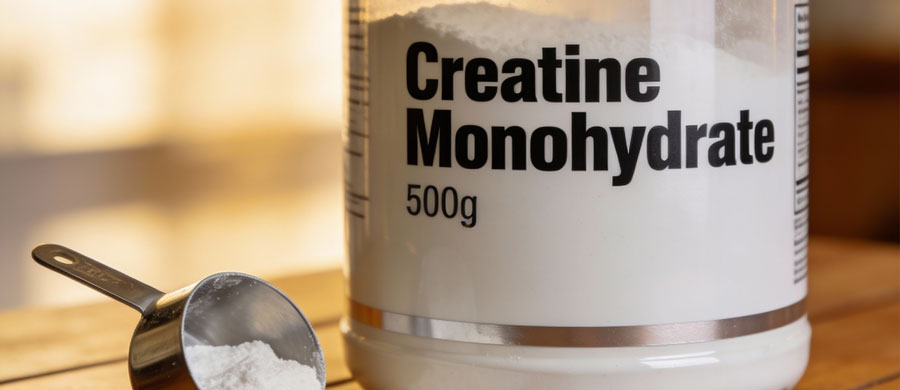
Creatine is one of the most researched and trusted sports supplements worldwide. It’s known for improving strength, power, and muscle fullness.
But what actually happens when you stop taking creatine? Will you lose muscle? Does your strength disappear? Is it safe to cycle off?
In this in-depth guide by MrSupps, we’ll break down the science, myths, timelines, and practical advice—so you know exactly what to expect and how to manage your training and nutrition after stopping creatine.
When you stop taking creatine, muscle water and fullness may slightly decrease, strength may dip a bit, but your performance returns to normal.
Understanding Creatine and How It Works
What Is Creatine?
Creatine is a naturally occurring compound found in small amounts in foods like red meat and fish. Your body also produces it from amino acids (arginine, glycine, and methionine).
Roughly 95% of creatine is stored in skeletal muscle, where it helps regenerate adenosine triphosphate (ATP)—the body’s primary energy currency for high-intensity exercise.
Why Athletes and Gym-Goers Use Creatine
- Creatine supplementation is popular because it can:
- Increase strength and power output
- Improve performance in short, intense activities
- Support lean muscle mass gains
- Enhance training volume and recovery
These benefits come from higher intramuscular creatine and phosphocreatine stores.
What Happens When You Stop Taking Creatine?
When you discontinue creatine, your body doesn’t “crash” or suffer damage. Instead, it gradually returns to its natural baseline.
Here’s what actually happens.
Muscle Creatine Levels Gradually Decline
How Long Does Creatine Stay in Your System?
Once you stop supplementation, muscle creatine stores decline over 2–4 weeks. This happens because your body continues using creatine for energy, but no longer receives extra from supplements.
Importantly, your body still produces creatine naturally, so levels don’t drop to zero—they simply normalize.
Key takeaway: Stopping creatine doesn’t deplete your muscles—it just removes the “extra” saturation.
Changes in Muscle Size and Fullness
Why Muscles May Look Smaller
One of the most noticeable effects when you stop taking creatine is a slight reduction in muscle “fullness.”
Creatine pulls water into muscle cells (cell volumization). When supplementation stops:
- Intracellular water decreases
- Muscles may appear flatter or less pumped
This is not muscle loss—it’s primarily water weight.
Is This Permanent?
No. This cosmetic change stabilizes within a couple of weeks. If your training and protein intake remain consistent, your actual muscle tissue stays intact.
Strength and Performance Changes
Will You Lose Strength?
You may experience a small drop in peak strength or power, particularly in:
- Heavy lifting (1–5 reps)
- Sprinting
- Explosive movements
This happens because phosphocreatine availability decreases, reducing rapid ATP regeneration.
Does Performance Return to Pre-Creatine Levels?
Yes. Most people simply return to their natural baseline performance, not below it. You don’t lose progress—you lose the extra boost.
Energy Levels and Workout Endurance
Do You Feel More Fatigued?
Some users report slightly faster fatigue during intense sessions after stopping creatine. This is usually temporary and most noticeable in high-volume or high-intensity workouts.
However, creatine does not affect:
- Daily energy
- Mental alertness
- General stamina
Any perceived dip usually levels out within a few weeks.
Does Stopping Creatine Cause Muscle Loss?
The Truth About “Creatine Muscle Loss”
Creatine itself does not build muscle directly. It enables harder training, which leads to muscle growth.
So when you stop taking creatine:
- You don’t lose muscle automatically
- Muscle loss only occurs if training quality or nutrition declines
As long as you continue resistance training and eat enough protein, your muscle mass is preserved.
Body Weight Changes After Stopping Creatine
Expected Weight Fluctuations
Many people lose 1–3 pounds (0.5–1.5 kg) shortly after stopping creatine. This is primarily:
- Water weight loss
- Reduced intracellular fluid
It is not fat loss or muscle breakdown.
Kidney and Health Concerns When Stopping Creatine
Is It Safer to Take Breaks?
For healthy individuals, long-term creatine use is considered safe. Stopping creatine does not “detox” the kidneys, nor does continued use harm them in healthy people.
That said, some athletes choose to cycle creatine for personal preference—not medical necessity.
Should You Cycle Creatine or Take It Continuously?
Creatine cycling involves periods of use followed by breaks (e.g., 8–12 weeks on, 2–4 weeks off).
Pros of cycling
- Psychological reset
- Reduced water retention (for weight-class athletes)
Cons
- Loss of saturation benefits
What Does Science Recommend?
Research supports continuous daily use (3–5 g/day) for consistent benefits. Cycling is optional—not required.
Who Might Benefit From Stopping Creatine?
You might choose to stop creatine if you:
- Compete in a weight-restricted sport
- Want less water retention
- Take a break from supplements
- Are in a deload or off-season phase
Stopping is a personal choice, not a health requirement.
How to Maintain Results After Stopping Creatine?
Optimize Your Training
- Maintain progressive overload
- Focus on compound lifts
- Allow adequate recovery
Dial In Your Nutrition
- Protein: 1.6–2.2 g/kg bodyweight
- Carbohydrates for training fuel
- Stay hydrated
Consider Natural Creatine Sources
Foods like beef, salmon, and tuna provide small amounts of creatine, helping maintain baseline levels.
Common Myths About Stopping Creatine
“You Lose All Your Gains”
False. Muscle gains remain if training and nutrition stay consistent.
“Creatine Shrinks Muscles Long-Term”
False. Any size reduction is a temporary water loss.
“You Must Cycle Creatine”
False. Continuous use is well-supported by science.
Final Thoughts – Should You Stop Taking Creatine?
Stopping creatine is safe, simple, and completely reversible. You may notice a slight decrease in muscle fullness, a small drop in explosive strength, or minor weight loss from water, but these changes are temporary.
Importantly, you won’t lose actual muscle, harm your health, or erase your progress. Creatine remains one of the most effective supplements for peak strength and performance, and if you choose to stop, your body simply returns to its natural baseline—no harm done.
References
1. Examine.com – Creatine
👉https://examine.com/supplements/creatine/
2. Healthline – Creatine Explained
👉https://www.healthline.com/nutrition/what-is-creatine
3. Medical News Today – Creatine: Benefits and Risks
👉https://www.medicalnewstoday.com/articles/263105
4. Journal of the International Society of Sports Nutrition – Creatine Review
👉https://jissn.biomedcentral.com/articles/10.1186/s12970-017-0173-z
5. Verywell Fit – Stopping Creatine: What to Expect
👉https://www.verywellfit.com/creatine-what-to-expect-when-you-stop
.