

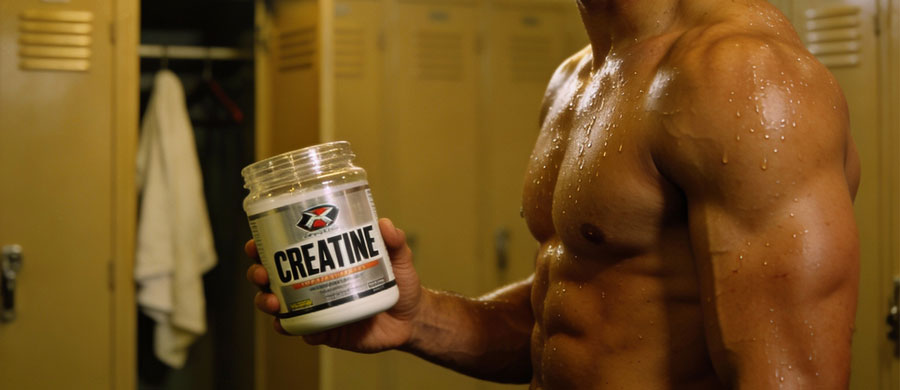
Creatine is one of the most researched and widely used supplements in the fitness world. From elite athletes to everyday gym-goers, it’s praised for improving strength, power, and muscle growth.
Yet one question continues to spark debate among lifters and fitness enthusiasts alike: Should you take creatine on rest days?
If you’ve ever wondered whether creatine is only useful on training days—or if skipping it on rest days might slow your progress—you’re not alone.
In this in-depth guide from MrSupps, we’ll break down the science, benefits, myths, and best practices to help you decide exactly how to use creatine for maximum results.
Yes, you should take creatine on rest days to keep muscle stores saturated, support recovery, and maximize strength and performance gains over time.
What Is Creatine and Why Is It So Popular?
Creatine is a naturally occurring compound found in small amounts in foods such as red meat and fish, and it is also produced by the body in the liver, kidneys, and pancreas.
About 95% of the body’s creatine is stored in skeletal muscle, where it plays a vital role in energy production.
By helping regenerate ATP—the body’s main energy source—creatine supports strength, power, and high-intensity performance, which is why it remains one of the most popular and researched fitness supplements worldwide.
How Creatine Works in the Body?
Creatine helps regenerate adenosine triphosphate (ATP), the body’s primary energy source for short, explosive movements such as:
- Weightlifting
- Sprinting
- Jumping
- High-intensity interval training (HIIT)
By increasing phosphocreatine stores in muscle cells, creatine allows you to train harder, lift heavier, and recover faster.
Why Creatine Is a Staple Supplement?
Creatine’s popularity isn’t hype—it’s backed by decades of research. Regular supplementation has been shown to:
- Increase muscle strength and power
- Enhance lean muscle mass
- Improve workout performance
- Support recovery between training sessions
Understanding Rest Days and Muscle Recovery
Before answering whether you should take creatine on rest days, it’s important to understand what rest days actually do for your body.
What Happens on Rest Days?
Rest days aren’t “off” days—they’re when your body adapts to training. During rest:
- Muscle fibers repair and grow
- Glycogen stores replenish
- Nervous system fatigue decreases
- Hormonal balance improves
Recovery is just as important as training when it comes to building muscle and strength.
Do Supplements Still Matter on Rest Days?
Yes. Many supplements—including protein, omega-3s, and creatine—support recovery processes that occur outside the gym. This is where creatine often gets misunderstood.
Should You Take Creatine on Rest Days?
The Simple Answer: Yes, you should take creatine on rest days.
Creatine works through muscle saturation, not immediate stimulation. That means its benefits come from keeping your muscle creatine levels consistently elevated—not just from taking it before workouts.
Why Consistency Matters More Than Timing?
When you supplement with creatine daily, your muscles remain fully saturated. Skipping rest days can lead to gradual depletion, which may reduce its effectiveness over time.
Think of creatine like filling a reservoir:
- Training days add stress and use creatine
- Rest days help refill and maintain optimal levels
Stopping supplementation on rest days is like letting that reservoir slowly drain.
How Does Creatine Work Over Time?
Creatine Is Not a Pre-Workout Stimulant
Unlike caffeine, creatine doesn’t give you an instant boost. Its benefits accumulate as muscle stores increase over days and weeks.
Muscle Saturation Explained
- Muscles can only store a limited amount of creatine
- Daily supplementation keeps those stores full
- Once saturated, performance benefits are maintained
Skipping creatine on rest days interrupts this process.
Benefits of Taking Creatine on Rest Days
1. Maintains Full Muscle Creatine Stores
Daily intake ensures your muscles stay saturated, maximizing strength and performance when you return to training.
2. Supports Muscle Recovery and Repair
Creatine may help:
- Reduce muscle cell damage
- Improve glycogen replenishment
- Support cellular hydration (muscle fullness)
All of these processes happen primarily on rest days.
3. Promotes Long-Term Muscle Growth
Muscle growth doesn’t occur during your workout—it happens during recovery. Creatine supports the cellular environment needed for hypertrophy.
4. Helps Maintain Training Consistency
Skipping supplements often leads to inconsistency. Keeping creatine as a daily habit makes adherence easier and results more predictable.
Creatine on Training Days vs Rest Days
Is the Dosage Different?
No. The recommended maintenance dose stays the same.
Standard dose:
- 3–5 grams per day, regardless of training or rest days
Best Time to Take Creatine on Rest Days
Timing is flexible, but effective options include:
- With breakfast
- With a meal containing carbs and protein
- At the same time, you usually take it on training days
Consistency is more important than timing.
Creatine Loading Phase: Do Rest Days Count?
What Is Creatine Loading?
A loading phase involves taking:
- 20 grams per day (split into 4 doses)
- For 5–7 days
This rapidly saturates muscle creatine stores.
Should You Take Creatine on Rest Days During Loading?
Absolutely. Loading requires daily intake, including rest days. Skipping days defeats the purpose of loading.
Is Loading Necessary?
No. You can still reach full saturation by taking 3–5 grams daily—it just takes longer (around 3–4 weeks).
Common Myths About Creatine on Rest Days
Myth 1: Creatine Is Useless Without a Workout
False. Creatine’s benefits come from sustained muscle saturation, not immediate exercise stimulation.
Myth 2: You’ll Gain Fat If You Take Creatine on Rest Days
False. Creatine contains zero calories and does not cause fat gain. Any weight increase is typically due to increased water content in muscle cells.
Myth 3: You Need to Cycle Creatine
False. Research shows creatine is safe for long-term, daily use in healthy individuals.
Does Taking Creatine on Rest Days Improve Performance?
Indirectly, yes.
By maintaining full creatine stores, you’ll experience:
- Better strength output
- Increased training volume
- Improved recovery between sessions
All of these contribute to better long-term performance gains.
Creatine and Hydration on Rest Days
Creatine increases water content inside muscle cells, which is beneficial—but hydration is key.
Hydration Tips
- Drink plenty of water daily
- Aim for clear or pale-yellow urine
- Don’t reduce water intake on rest days
Proper hydration supports creatine’s effectiveness and overall recovery.
Which Type of Creatine Is Best?
Creatine Monohydrate: The Gold Standard
Creatine monohydrate is:
- The most researched
- The most effective
- The most affordable
Other forms may claim better absorption, but research consistently supports monohydrate as the best choice.
How to Build the Perfect Creatine Routine
Daily Creatine Checklist
- Take 3–5g daily
- Include rest days
- Stay hydrated
- Be consistent for at least 4–6 weeks
Creatine rewards patience and consistency.
Final Verdict: Should You Take Creatine on Rest Days?
Yes—without question.
If your goal is to maximize strength, muscle growth, and performance, creatine should be taken every day, including rest days.
Its benefits depend on maintaining saturated muscle stores, and skipping rest days only slows progress.
For anyone serious about results, creatine isn’t a “workout-only” supplement—it’s a daily performance foundation.
References
1. WebMD – Creatine: Uses, Benefits, and Side Effects
👉 https://www.webmd.com/vitamins/ai/ingredientmono-873/creatine
2. PubMed Central (PMC) – Creatine for Exercise and Sports Performance
👉 https://pmc.ncbi.nlm.nih.gov/articles/PMC8228369/
3. National Institutes of Health (NIH) – Creatine Dietary Supplement Fact Sheet
👉 https://ods.od.nih.gov/factsheets/list-all/
4. PubMed (NIH) – Effects of Creatine Supplementation on Performance and Muscle Mass
👉 https://pubmed.ncbi.nlm.nih.gov/12945830/
5. Healthline – What Is Creatine and Should You Take It Every Day?
👉 https://www.healthline.com/nutrition/what-is-creatine
.
.