

High blood pressure (hypertension) affects over a billion people worldwide and is a major risk factor for heart disease, stroke, and kidney issues.
As more people seek natural, food-based ways to support heart health, sea moss has emerged as a trending superfood. But the big question remains: is sea moss good for high blood pressure, or is it just another wellness fad?
In this in-depth guide for MrSupps, we’ll explore the science, nutrients, potential benefits, risks, and best practices for using sea moss as part of a blood-pressure-friendly lifestyle—so you can make an informed decision.
Yes, sea moss may support healthy blood pressure thanks to potassium, magnesium, and antioxidants, but it’s not a replacement for medication.
What Is Sea Moss?
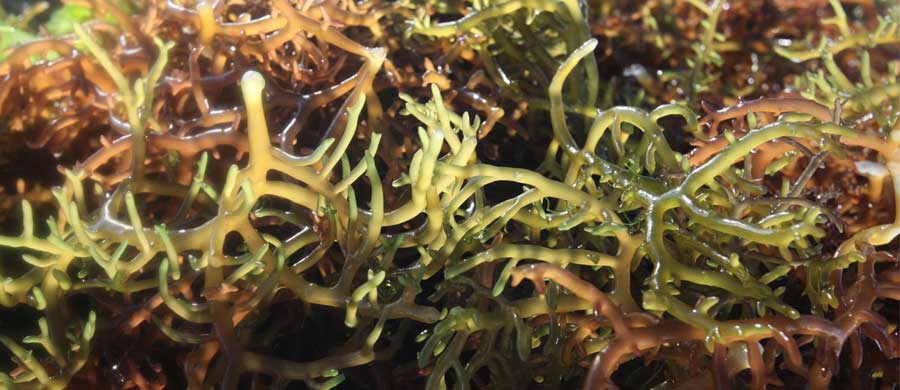
Sea moss, also known as Irish moss (Chondrus crispus), is a type of red algae found along the rocky Atlantic coasts of Europe and North America. Traditionally used in Caribbean and Irish cultures, sea moss is now popular in gels, powders, capsules, and blended smoothies.
Nutritional Snapshot of Sea Moss
Sea moss is valued for its dense micronutrient profile, including:
- Potassium
- Magnesium
- Calcium
- Iodine
- Iron
- Antioxidants
- Soluble fiber
These nutrients are closely linked to cardiovascular and metabolic health, which is why sea moss is often discussed in the context of hypertension.
Understanding High Blood Pressure
High blood pressure occurs when the force of blood against artery walls remains elevated over time. It’s typically defined as readings consistently above 130/80 mmHg.
Common Causes of Hypertension
- High sodium intake
- Low potassium and magnesium intake
- Obesity and inactivity
- Chronic stress
- Genetics and age
Because diet plays such a major role, nutrient-rich foods like sea moss are gaining attention.
Is Sea Moss Good for High Blood Pressure?
The short answer is potentially yes, but with important caveats.
Sea moss does not “cure” high blood pressure. However, its nutrient composition may support healthy blood pressure levels when combined with a balanced diet, exercise, and medical guidance.
Let’s break down why.
Key Nutrients in Sea Moss That Support Blood Pressure
Potassium – Nature’s Blood Pressure Mineral
Potassium helps counteract sodium’s effects by:
- Relaxing blood vessel walls
- Increasing sodium excretion through urine
- Improving vascular function
Diets rich in potassium are consistently associated with lower blood pressure. Sea moss provides a modest but meaningful contribution.
Magnesium – Supporting Vascular Relaxation
Magnesium plays a crucial role in:
- Regulating vascular tone
- Preventing arterial stiffness
- Supporting heart rhythm
Low magnesium intake is linked to higher blood pressure, and sea moss can help fill that nutritional gap.
Antioxidants – Reducing Oxidative Stress
Oxidative stress damages blood vessels and contributes to hypertension. Sea moss contains antioxidants that may:
- Reduce inflammation
- Improve endothelial (artery lining) function
- Support overall heart health
Soluble Fiber – Indirect Blood Pressure Benefits
Sea moss contains soluble fiber, which can:
- Improve cholesterol levels
- Support blood sugar balance
- Aid weight management
Each of these factors indirectly helps control blood pressure.
Scientific Evidence – What Does Research Say?
While direct studies on sea moss and hypertension are limited, research on its nutrients is strong:
- Potassium-rich diets are linked to reduced blood pressure
- Magnesium supplementation shows modest BP reductions
- Antioxidant-rich foods improve vascular health
Sea moss works best as a supportive food, not a standalone treatment.
How to Use Sea Moss for Blood Pressure Support
Popular Forms of Sea Moss
- Sea Moss Gel: Versatile and easy to blend
- Capsules: Convenient and taste-free
- Powders: Ideal for smoothies and recipes
For quality and safety, source clean, lab-tested products—something brands like MrSupps prioritize.
Suggested Intake (General Guidance)
There’s no official dosage, but common use includes:
- 1–2 tablespoons of gel daily
- Follow label directions for capsules
Always start small and consult your healthcare provider, especially if you’re on blood pressure medication.
Potential Risks and Who Should Be Careful
Iodine Content and Thyroid Concerns
Sea moss is naturally high in iodine. Excess iodine may:
- Disrupt thyroid function
- Worsen certain conditions
Those with thyroid disorders should consult a professional before use.
Heavy Metals and Quality Issues
Seaweed can absorb heavy metals from ocean water. Choose:
- Wildcrafted but tested products
- Reputable supplement brands
This ensures safety and effectiveness.
Medication Interactions
Sea moss may:
- Enhance the effects of BP-lowering drugs
- Increase risk of hypotension if combined improperly
Medical guidance is essential.
Sea Moss vs Other Natural Blood Pressure Supports
How does sea moss compare?
| Natural Option | BP Support | Notes |
|---|---|---|
| Sea Moss | Moderate | Nutrient-rich, supportive |
| Garlic | Strong | Well-studied BP reduction |
| Beetroot | Strong | Boosts nitric oxide |
| Hibiscus Tea | Moderate–Strong | Proven BP-lowering effects |
Sea moss works best in combination, not isolation.
Lifestyle Matters More Than Any Supplement
To truly manage blood pressure:
- Eat a DASH-style diet
- Exercise regularly
- Manage stress
- Sleep 7–9 hours
- Limit sodium and alcohol
Sea moss fits into this lifestyle as a nutritional ally, not a miracle cure.
Final Verdict – Is Sea Moss Good for High Blood Pressure?
Yes, sea moss can be good for high blood pressure, but it should be viewed as a supportive nutritional aid, not a treatment or cure.
Thanks to its natural content of potassium, magnesium, antioxidants, and soluble fiber, sea moss may help support healthy blood vessel function and overall heart health.
However, results depend on quality, dosage, and consistency, and sea moss works best when combined with a balanced diet, regular exercise, stress management, and medical guidance.
Individuals taking blood pressure medication or those with thyroid conditions should consult a healthcare professional before adding sea moss to their routine.
Bottom line: Sea moss can be a beneficial addition to a heart-healthy lifestyle—but it’s not a replacement for prescribed blood pressure treatment.
References
1. AHA – Explains how potassium and magnesium influence blood pressure.
👉https://www.heart.org/en/health-topics/high-blood-pressure
2. Harvard T.H. Chan School of Public Health – Research on diet and cardiovascular.
👉health.https://www.health.harvard.edu/heart-health/
3. (WHO) – Global guidelines on hypertension prevention and management.
👉https://www.who.int/news-room/fact-sheets/detail/hypertension
4. Healthline – Overview of sea moss nutrition, benefits, and safety considerations.
👉https://www.healthline.com/nutrition/sea-moss
5. Medical News Today – Balanced reporting on sea moss, iodine, and cardiovascular health.
👉https://www.medicalnewstoday.com/articles/sea-moss