

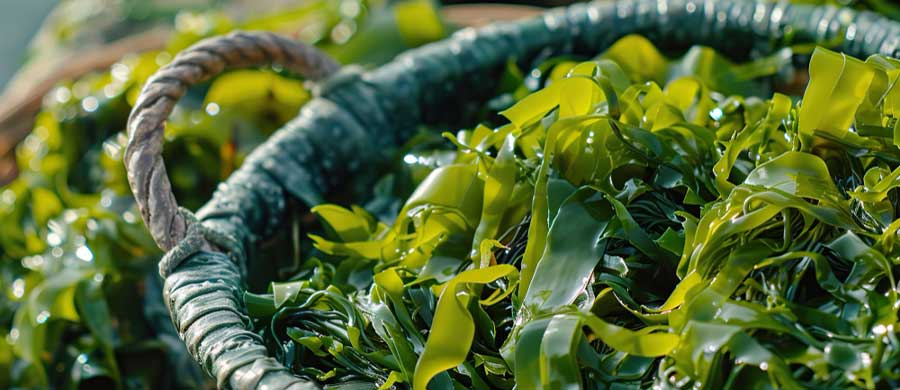
Sea moss has exploded across wellness blogs, TikTok, and supplement shelves—especially in gel and capsule form.
From celebrities to holistic health advocates, many claim it’s a nutritional powerhouse that can boost immunity, digestion, skin health, and even libido.
But with the hype comes an important question: Is sea moss actually good for you, or is it just another wellness trend?
In this in-depth guide for MrSupps, we’ll break down what sea moss really is, its science-backed benefits, potential risks, and how to use it safely.
Yes, sea moss can support digestion, immunity, and mineral intake, but its benefits depend on quality, proper dosage, and how it fits your overall diet.
What Is Sea Moss?
Sea moss, also known as Irish moss (Chondrus crispus), is a species of red algae that grows along the rocky coasts of the Atlantic, particularly in Ireland, the Caribbean, and parts of North America.
Traditionally, sea moss has been used in:
- Caribbean folk medicine
- Irish remedies for colds and lung health
- Thickening soups and desserts due to its gel-like texture
Today, sea moss is commonly sold as:
- Raw dried sea moss
- Sea moss gel
- Capsules or powders
Nutritional Profile of Sea Moss
One of the main reasons people believe sea moss is good for you is its mineral content.
Key Nutrients Found in Sea Moss
Sea moss contains:
- Iodine
- Potassium
- Calcium
- Magnesium
- Iron
- Zinc
- Selenium
- Vitamins A, E, F, and K
- Small amounts of B vitamins
It’s often said that sea moss contains 92 of the 102 minerals the human body needs. While this claim is debated, it does contain many essential trace minerals that support overall health.
Is Sea Moss Actually Good for You? Science-Based Benefits
Let’s explore what research and nutrition science say about sea moss benefits.
Supports Thyroid Health (When Used Correctly)
Sea moss is rich in iodine, a mineral essential for thyroid hormone production. A healthy thyroid regulates metabolism, energy, and hormone balance.
However, too much iodine can harm thyroid function. This means moderation is key.
Bottom line: Sea moss can support thyroid health—but excessive intake may cause issues.
May Improve Gut Health and Digestion
Sea moss contains prebiotic fibers that feed beneficial gut bacteria. It also has mucilaginous properties, forming a gel that can soothe the digestive tract.
Potential digestive benefits include:
- Better nutrient absorption
- Reduced gut inflammation
- Support for healthy bowel movements
This makes sea moss popular among people with sensitive digestion.
Immune System Support
Sea moss contains antioxidants and antimicrobial compounds that may support immune function.
Research shows certain red algae compounds can:
- Help fight oxidative stress
- Support immune cell activity
- Reduce inflammation
While it’s not a cure-all, sea moss may play a supportive role in immune health.
Skin, Hair, and Nail Benefits
Thanks to its:
- Sulfur content
- Zinc
- Vitamin A
- Antioxidants
Sea moss is often used for:
- Supporting collagen production
- Promoting skin hydration
- Strengthening hair and nails
This explains why it’s commonly found in beauty supplements and topical skincare products.
May Support Joint and Muscle Health
Sea moss contains compounds that may help reduce inflammation and support connective tissue health.
Athletes and active individuals use sea moss to:
- Support recovery
- Help maintain joint mobility
- Aid muscle function through mineral replenishment
Heart Health Support
Sea moss may contribute to cardiovascular health by:
- Supporting healthy cholesterol levels
- Providing potassium and magnesium for the heart rhythm
- Reducing inflammation
While not a replacement for heart medications, it may complement a heart-healthy lifestyle.
Potential Risks and Side Effects of Sea Moss
So, is sea moss actually good for you in all cases? Not necessarily.
Iodine Overload
Excessive iodine intake can lead to:
- Hyperthyroidism
- Hypothyroidism
- Thyroid inflammation
This is the most common risk associated with sea moss overuse.
Heavy Metal Contamination
Sea moss absorbs minerals from the ocean—including heavy metals like:
- Mercury
- Lead
- Arsenic
Poor-quality or untested sea moss may pose health risks.
Tip: Always choose lab-tested, reputable brands.
Digestive Upset
Some people may experience:
- Bloating
- Nausea
- Diarrhea
This is often due to taking too much too quickly.
How to Use Sea Moss Safely?
Recommended Dosage
General guidelines:
- Sea moss gel: 1–2 tablespoons per day
- Capsules: Follow manufacturer instructions
- Powder: 500–1000 mg daily
Start small and assess tolerance.
Best Ways to Take Sea Moss
Popular methods include:
- Adding gel to smoothies
- Mixing into tea or soups
- Taking capsules for convenience
Consistency matters more than high doses.
Sea Moss vs Other Superfoods
How does sea moss compare?
| Superfood | Key Strength |
|---|---|
| Sea Moss | Mineral diversity |
| Spirulina | Protein & antioxidants |
| Chlorella | Detox support |
| Ashwagandha | Stress reduction |
Sea moss shines as a mineral-rich support supplement, not a complete nutritional solution.
Who Should Avoid Sea Moss?
Sea moss may not be ideal for:
- People with thyroid disorders
- Pregnant or breastfeeding women (without medical advice)
- Individuals allergic to seafood or iodine
Always consult a healthcare professional if unsure.
Is Sea Moss Actually Good for You? Final Verdict
Yes—sea moss can be good for you when:
- Sourced responsibly
- Used in moderation
- Integrated into a balanced diet
It offers real nutritional benefits, but it’s not magic. Like any supplement, results depend on quality, dosage, and individual health needs.
For those looking to enhance mineral intake, digestion, skin health, and overall wellness, sea moss can be a valuable addition—especially when purchased from trusted retailers like MrSupps.
References
1. Healthline – Nutritional overview and potential benefits of sea moss
👉https://www.healthline.com/nutrition/sea-moss
2. WebMD – Safety, dosage, and side effects of sea moss
👉https://www.webmd.com/diet/health-benefits-sea-moss
3. Medical News Today – Evidence-based look at sea moss benefits
👉https://www.medicalnewstoday.com/articles/sea-moss
4. Cleveland Clinic – Expert opinion on sea moss and gut health
👉https://health.clevelandclinic.org/sea-moss-benefits/
5. Harvard T.H. Chan School of Public Health – Minerals and dietary balance
👉https://nutritionsource.hsph.harvard.edu/vitamins/