

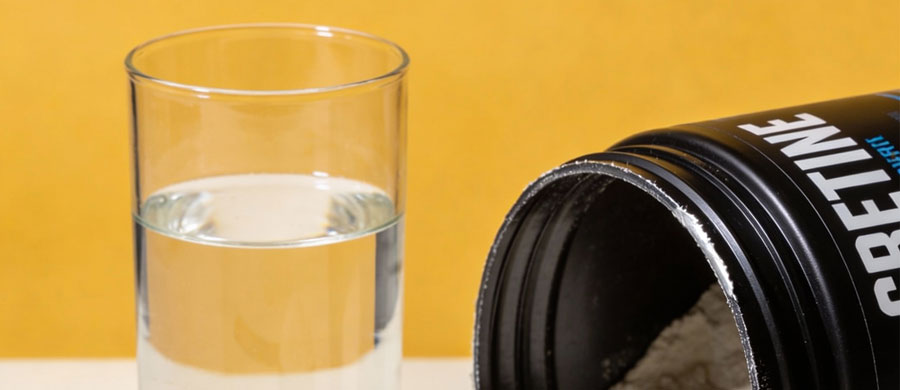
Creatine is one of the most researched and effective supplements in the fitness industry, known for boosting strength, muscle mass, and performance.
But a common question among both beginners and seasoned athletes is: how much water should you drink with creatine?
Proper hydration is crucial when taking creatine, as it directly impacts its effectiveness and your overall health.
In this comprehensive guide, we’ll explore everything you need to know about creatine, water intake, and maximizing your gains safely.
What is Creatine?
The Basics of Creatine
Creatine is a naturally occurring compound found in small amounts in certain foods and synthesized in the human body from amino acids like arginine, glycine, and methionine. Stored primarily in your muscles, creatine helps produce adenosine triphosphate (ATP), the primary energy currency of your cells, especially during high-intensity activities such as weightlifting or sprinting.
Forms of Creatine
Creatine is available in several forms, with creatine monohydrate being the most widely studied and effective. Other forms include creatine hydrochloride (HCl), buffered creatine, and creatine ethyl ester, but for most people, monohydrate is the most cost-effective and reliable option.
How Creatine Affects Water in Your Body
Creatine and Cellular Hydration
When you supplement with creatine, it draws water into your muscle cells through a process called cell volumization. This is one reason why adequate water intake is crucial; your muscles need extra water to store creatine effectively. Proper hydration not only supports creatine uptake but also enhances muscle function and recovery.
Possible Side Effects of Poor Hydration
Insufficient water intake while on creatine can lead to:
- Dehydration
- Muscle cramps
- Digestive discomfort
- Reduced performance
Staying hydrated ensures your body can maximize the benefits of creatine while minimizing potential side effects.
How Much Water Should You Drink with Creatine?
General Recommendations
While there’s no one-size-fits-all answer, research and expert guidelines suggest the following:
- Baseline hydration: Aim for at least 3 liters (about 100 ounces) of water per day for men and 2.2 liters (about 75 ounces) for women.
- During creatine supplementation: Add an extra 0.5–1 liter per day to account for water drawn into muscles.
This means if you’re a male taking creatine, a daily intake of 3.5–4 liters is generally optimal.
Loading Phase vs. Maintenance Phase
Many creatine protocols involve a loading phase (20 grams per day for 5–7 days) followed by a maintenance phase (3–5 grams per day).
- Loading phase: Increased water intake is particularly important because your muscles are rapidly absorbing creatine. Experts recommend an additional 1–1.5 liters of water during this period.
- Maintenance phase: Continue slightly higher hydration than normal to support muscle creatine stores, around 0.5 liters extra.
Signs You’re Not Drinking Enough Water with Creatine
Recognizing dehydration early can help you avoid performance issues. Common signs include:
- Dark yellow urine
- Headaches or dizziness
- Fatigue
- Muscle cramps or stiffness
- Constipation
If you notice these symptoms, increase your water intake gradually rather than consuming large amounts at once.
Tips for Staying Hydrated on Creatine
1. Spread Water Intake Throughout the Day
Drinking large amounts of water all at once is less effective. Aim for 8–10 small servings throughout the day to maintain optimal hydration.
2. Pair Creatine with Water
Always take creatine with a full glass of water (8–12 ounces). This not only aids absorption but also minimizes potential digestive discomfort.
3. Track Your Urine Color
Your urine color is a simple indicator of hydration. Pale yellow indicates proper hydration, while dark yellow or amber suggests you need more water.
4. Monitor Your Body Weight
Slight increases in body weight during creatine use are normal due to water retention in muscles. However, sudden drops in weight could indicate dehydration.
5. Include Electrolytes
Supplementing with electrolytes (sodium, potassium, magnesium) can help balance water levels, especially during intense workouts or in hot climates.
Debunking Myths About Water and Creatine
Myth 1: You Need to Drink a Gallon of Water a Day
While hydration is important, there’s no scientific basis for consuming excessive amounts. Overhydration can lead to a rare but serious condition called hyponatremia, where blood sodium levels drop dangerously low.
Myth 2: Creatine Dehydrates You
Research actually shows that creatine promotes intracellular water retention, meaning it draws water into muscle cells rather than causing overall dehydration. However, proper fluid intake is still necessary to support other bodily functions.
Myth 3: You Must Drink Water Immediately Before and After Workouts Only
Hydration should be consistent throughout the day. While drinking water before, during, and after workouts helps, focusing solely on these periods is not enough to stay properly hydrated.
Benefits of Proper Hydration with Creatine
Enhanced Muscle Performance: Creatine improves ATP production, which fuels high-intensity workouts. Proper hydration ensures these energy pathways function efficiently, reducing fatigue and boosting performance.
Improved Muscle Recovery: Water helps transport nutrients and remove metabolic waste from muscles post-exercise. When combined with creatine, this can speed recovery and reduce soreness.
Maximized Creatine Uptake: Creatine is more effective when muscles are fully hydrated. Adequate water intake ensures your body absorbs and stores creatine efficiently, enhancing strength and muscle gains.
Reduced Risk of Side Effects: Proper hydration minimizes common side effects like bloating, cramping, and digestive discomfort associated with creatine supplementation.
How to Calculate Your Ideal Water Intake with Creatine?
A simple formula to estimate water needs:
Base hydration + Extra for creatine + Extra for exercise
- Base hydration: 30–35 ml per kg of body weight
- Creatine extra: 0.5–1 liter
- Exercise extra: 0.4–0.8 liters per hour of intense activity
Example: A 75 kg (165 lbs) male doing 1 hour of intense training:
- Base: 75 × 35 ml = 2625 ml (~2.6 liters)
- Creatine: +0.5 liters
- Exercise: +0.6 liters
Total: ~3.7 liters per day
This calculation ensures proper hydration and optimal creatine performance.
Creatine and Water During Different Activities
Weightlifting
Creatine is particularly effective for short, explosive movements like weightlifting. Ensure you drink 8–12 ounces of water per 20 grams of creatine and maintain hydration throughout your workout.
Cardio
While creatine primarily aids anaerobic performance, staying hydrated during cardio prevents overheating and supports overall performance. Include electrolytes for longer sessions.
High-Intensity Interval Training (HIIT)
HIIT can lead to rapid fluid loss through sweat. Combining creatine with adequate water and electrolytes ensures energy production and prevents dehydration-related fatigue.
Best Practices for Creatine Supplementation
- Take creatine daily, even on rest days, to maintain muscle saturation.
- Always mix creatine with a sufficient amount of water or a beverage.
- Avoid excessive caffeine, which can have diuretic effects if consumed in high doses.
- Monitor your body for signs of dehydration or bloating.
- Combine creatine with a balanced diet rich in protein and complex carbs for optimal gains.
Conclusion
Knowing how much water to drink with creatine is key to maximizing its benefits safely. While the exact amount varies based on body weight, activity level, and supplementation protocol, a good guideline is to consume your normal daily water intake plus an extra 0.5–1 liter when supplementing with creatine.
Proper hydration improves performance, supports muscle growth, and minimizes side effects.
By following the hydration tips, monitoring your body, and integrating creatine smartly into your fitness routine, you can unlock its full potential and take your workouts to the next level.
References
1. Creatine Supplementation and Exercise Performance – National Library of Medicine
👉https://pmc.ncbi.nlm.nih.gov/articles/PMC2048496/
2. International Society of Sports Nutrition position stand – Springer Nature
👉https://www.healthline.com/nutrition/what-is-creatine
3. Everything You Need to Know About Creatine – Healthline
👉https://link.springer.com/article/10.1186/s12970-017-0173-z
4. Creatine Monohydrate: Effects on Muscle Performance – NCBI
👉https://pubmed.ncbi.nlm.nih.gov/39519498/
5. Creatine Supplements: An Overview – WebMD
👉https://www.webmd.com/vitamins-and-supplements/creatine
.