

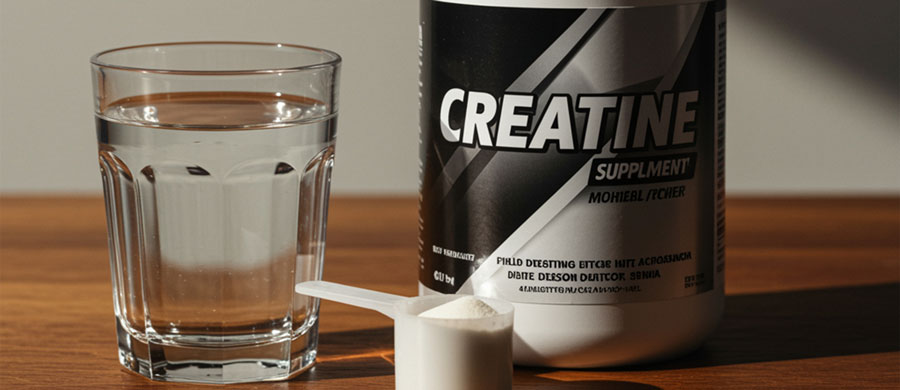
Creatine is one of the most popular and well-researched supplements in the fitness world, used by beginners and advanced athletes alike to boost strength, power, and muscle growth.
But along with its benefits comes an important question: “How much water should I drink on creatine?” While it might seem like a simple hydration matter, getting your water intake right is essential for maximizing creatine’s effects and keeping your body healthy.
In this comprehensive guide, we’ll cover everything you need to know about staying properly hydrated while using creatine — including science-backed daily water goals, optimal hydration timing, signs you might not be drinking enough, and actionable tips you can start applying today.
You should drink about 3–4 liters of water daily on creatine, more during a loading phase or intense workouts, to stay hydrated and support performance.
What Is Creatine and Why Hydration Matters?
Creatine is one of the most studied sports supplements on the planet. It helps your muscles produce energy during high‑intensity exercise, supports strength gains, and can even boost recovery between workouts.
It works by increasing phosphocreatine stores in muscles, which the body uses to form adenosine triphosphate (ATP) — the energy currency of cells.
But here’s the catch: creatine also draws water into your muscle cells. This intracellular water shift is part of how creatine works — it helps muscles appear fuller and may improve performance — but it also increases your body’s fluid needs.
If you don’t increase your water intake accordingly, you could risk dehydration, cramps, reduced performance, and even headaches.
How Does Creatine Affect Your Body’s Water Balance?
Before we talk numbers, it’s important to understand why creatine raises your hydration needs:
Water Gets Drawn Into Muscle Cells
Creatine pulls water into muscle cells to help support energy production and volume. This is generally a good effect, but it means your total body water distribution changes.
Increased Sweat Loss
If you’re training intensely—especially in heat or humidity—you’re already losing fluids through sweat. When combined with creatine, the need to replace fluids increases further.
Risks of Being Underhydrated
Not drinking enough water while taking creatine can lead to:
- Muscle cramps
- Headaches
- Fatigue during workouts
- Dark yellow urine
- Bloating or digestive issues
- Reduced performance
These symptoms result not just from creatine, but from insufficient hydration in general, which the supplement can exacerbate.
How Much Water Should You Drink on Creatine?
So let’s answer the big question:
How much water should I drink with creatine?
The honest answer: it depends on your activity level, body size, climate, and whether you’re doing a loading phase or maintenance phase. Below are practical, research‑backed hydration guidelines.
Daily Water Intake: Maintenance Phase (3–5 g Creatine)
If you’re taking a standard maintenance creatine dose of about 3–5 grams per day:
Aim for 3–4 liters (12–16 cups) of water per day. This is significantly more than the typical 2‑liter baseline recommendation for adults due to creatine’s water‑drawing effects.
Most active adults using creatine will naturally hit this range if they drink consistently throughout the day — but if you sweat heavily, live in a hot climate, or have very intense workouts, you might need more.
Daily Water Intake: Loading Phase (20 g/day)
Some people choose a loading phase — usually 20 grams of creatine per day split into 4–5 doses for about a week to saturate muscles quickly. During this period:
Aim for up to ~3.5–4 liters (or more) per day. Some sources even recommend up to 4–5 liters depending on activity and climate.
This higher fluid intake helps ensure the extra creatine is well delivered, and your kidneys can handle the increased workload.
Hydration by Activity Level
Here’s a simple hydration breakdown you can follow:
| Activity Level | Daily Water Intake (with Creatine) |
| Sedentary / Light Activity | 2–3 L |
| Regular Training & Active Adults | 3–4 L |
| Heavy Training / Hot Climate | 4–5+ L |
| Creatine Loading Phase | Up to ~4–5 L |
Water With Each Creatine Dose: Best Practice
It’s not just about total daily fluid — timing matters too.
With Each Creatine Dose
When you mix and take your creatine:
Mix each 5‑gram scoop with at least 300–500 ml (10–16 oz) of water.
This ensures proper dissolution and supports early absorption.
Throughout the Day
Don’t chase hydration only around workouts. Instead:
- Drink small amounts consistently throughout the day
- Sip before, during, and after training
- Don’t wait until you feel thirsty — thirst is a late signal of dehydration
Does Other Fluid Count? (Juice, Smoothies, Sports Drinks)
Yes — other fluids count toward your daily hydration total.
If you drink:
- Coconut water
- Fruit juice
- Tea or coffee
- Smoothies
Those all add to your total fluid intake. Just be mindful of added sugar or calories in some beverages.
Many athletes use electrolyte drinks during long workouts to replace sodium, potassium, and other minerals lost in sweat — especially in hot conditions.
How to Tell If You’re Drinking Enough?
Here are some practical signs to monitor:
Good Hydration Indicators
- Urine is pale yellow to clear
- You’re urinating regularly
- You feel energetic during workouts
- No dry mouth or headaches
Signs You Need More Fluids
- Dark yellow urine
- Rare urination
- Muscle cramps
- Lightheadedness
- Extreme thirst
Adjust your water intake if you notice any of the above warning signs.
Myths vs. Facts About Creatine and Water
Let’s clear up some common misconceptions:
Myth: Creatine Causes Dehydration
Fact: Creatine pulls water into muscles, but not in a way that dehydrates you as long as you maintain good fluid intake. You don’t need to panic — just drink more water consistently.
Myth: You Must Drink 1 L of Water Per Gram of Creatine
This is a common belief floating around online, but it’s not scientifically validated. Creatine doesn’t require such a rigid ratio — instead, focus on total daily hydration and fluid consistency.
Fact: Hydration Supports Creatine’s Benefits
Proper water intake helps your body:
- Absorb creatine more effectively
- Prevent cramps
- Support kidney function
- Enhance workout performance
Hydration = performance.
Expert Tips for Staying Hydrated on Creatine
Here are actionable tips you can start using right away:
- Start Your Day With Water: Before coffee, before breakfast, drink a couple of glasses of water to kick‑start hydration.
- Track Your Fluids: Use a water bottle with volume markings to keep a mental log of how much you drink.
- Include Electrolytes When Training Hard: Electrolyte beverages can help replace lost sodium and potassium.
- Adjust for Climate: If you live in hot or humid conditions (like Chennai or other tropical areas), add 500–1000 ml more fluid per day.
- Hydrate Around Workouts: Have water handy before, during, and after training — don’t wait until you feel thirsty.
Final Thoughts
So, how much water should I drink with creatine? Aim for about 3–4 liters per day on a normal training day.
During a creatine loading phase, aim toward 4–5 liters. And always sip consistently throughout the day — don’t just gulp a few large amounts.
Hydration is one of the simplest but most powerful ways to maximize your creatine benefits and support overall health.
Stay consistent, pay attention to how you feel, and adjust based on your activity level and environment.
References
1. Creatine Supplementation Increases Total Body Water – PMC
👉https://pmc.ncbi.nlm.nih.gov/articles/PMC155510/
2. Creatine for Athletic Performance – WebMD
👉https://www.webmd.com/diet/supplement-guide-creatine
3. Dietary Creatine and Hydration Biomarkers in the General Population: PMC(ncbi)
👉https://pmc.ncbi.nlm.nih.gov/articles/PMC12203408/
4. Creatine Supplementation (Effects on Muscle Performance) – PubMed
👉https://pubmed.ncbi.nlm.nih.gov/23851411/
5. What Creatine Is and How It Works – Healthline
👉https://www.healthline.com/nutrition/what-is-creatine
.