

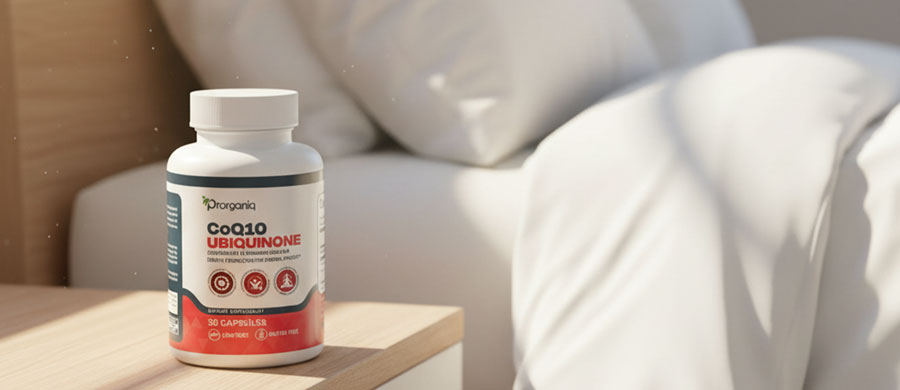
Coenzyme Q10 (CoQ10) has become a buzzword in the fertility world. Couples trying to conceive are increasingly turning to this supplement to improve egg quality, sperm health, and overall reproductive function.
But how much CoQ10 for fertility is truly effective? This guide dives deep into the science, benefits, dosage, and practical tips to help couples maximize their reproductive health.
For fertility, CoQ10 is usually taken at 200–600 mg daily, supporting egg quality, sperm health, and overall reproductive function naturally.
What is CoQ10?
CoQ10 is a naturally occurring antioxidant found in every cell of the body. It plays a crucial role in energy production within the mitochondria—the powerhouse of cells. By supporting cellular energy and reducing oxidative stress, CoQ10 has a direct impact on reproductive health.
- Energy Booster: Mitochondria in eggs and sperm need energy to function optimally. CoQ10 enhances this energy production.
- Antioxidant Defense: It neutralizes free radicals that can damage eggs, sperm, and reproductive tissues.
- Age-Related Fertility Support: CoQ10 levels naturally decline with age, which may contribute to reduced fertility.
How CoQ10 Supports Female Fertility?
Egg Quality and Ovarian Reserve
Eggs are highly energy-dependent cells. With age, mitochondrial function declines, leading to lower egg quality. Studies show that CoQ10 supplementation can improve mitochondrial efficiency, leading to healthier eggs.
- Research Insight: Women taking CoQ10 showed improved ovarian response and higher quality embryos during IVF treatments.
- Mechanism: By reducing oxidative stress in ovarian cells, CoQ10 protects eggs from age-related damage.
Hormonal Balance
CoQ10 also indirectly supports hormonal health by enhancing cellular energy in the endocrine system. Healthy energy levels in the ovaries and adrenal glands can help regulate ovulation cycles and hormone production.
How CoQ10 Supports Male Fertility?
Sperm Health
Male fertility is highly influenced by sperm count, motility, and DNA integrity. Oxidative stress can impair sperm, making antioxidants like CoQ10 crucial.
- Sperm Count & Motility: Research indicates that CoQ10 supplementation improves sperm concentration and motility.
- DNA Integrity: CoQ10 protects sperm DNA from oxidative damage, increasing chances of fertilization.
- Energy Supply: Sperm rely heavily on mitochondria for motility; CoQ10 boosts their energy output.
Recommended Dosage: How Much CoQ10 for Fertility?
Typical Dosage Ranges
- Women: 200–600 mg per day
- Men: 200–300 mg per day
These doses are based on multiple clinical studies showing fertility benefits. CoQ10 is fat-soluble, so it’s best taken with meals containing healthy fats.
Forms of CoQ10
- Ubiquinone: Traditional, stable, effective in the body.
- Ubiquinol: Active form, better absorbed, recommended for people over 40 or with absorption issues.
Duration for Results
Fertility benefits may take 3–6 months to appear, as eggs and sperm undergo their natural maturation cycles.
How to Maximize CoQ10 Benefits for Fertility
Pair With a Healthy Lifestyle
- Balanced Diet: Include nuts, seeds, spinach, and fatty fish, which naturally support CoQ10 levels.
- Exercise: Moderate activity improves circulation and mitochondrial health.
- Avoid Toxins: Minimize alcohol, smoking, and environmental pollutants that can increase oxidative stress.
Combine With Other Fertility Supplements
- Folic Acid: Supports egg development and neural tube formation.
- Omega-3 Fatty Acids: Improve sperm membrane fluidity and reduce inflammation.
- Vitamin D & Antioxidants: Synergize with CoQ10 to combat oxidative stress.
Supporting Fertility Through Nutrition and Digestion
Fertility isn’t just about supplements—nutrition and proper digestion play a major role in reproductive health. Nutrients must be effectively broken down and absorbed to support egg and sperm quality. Foods that support digestion and fertility include:
- High-fiber vegetables like spinach and broccoli promote gut health
- Healthy fats such as salmon, flaxseeds, and olive oil for CoQ10 absorption
- Probiotic-rich foods like yogurt or kefir can help enhance nutrient uptake
- Antioxidant-rich fruits like berries can help reduce oxidative stress
Optimizing digestion ensures your body fully utilizes CoQ10 and other nutrients, making fertility efforts more effective and natural.
Potential Side Effects and Safety
CoQ10 is generally well-tolerated, with few side effects. Some may experience:
- Mild gastrointestinal discomfort
- Headaches
- Insomnia if taken late in the day
Always consult a healthcare professional before starting any supplement, especially if on blood-thinning medications.
CoQ10 and IVF: What the Studies Show
For couples undergoing IVF, CoQ10 has been extensively studied:
- Improved Egg Quality: Women over 35 taking 600 mg/day had better mitochondrial activity and higher quality eggs.
- Higher Pregnancy Rates: Supplementation has been linked to increased fertilization and pregnancy outcomes.
- Reduced Embryo Fragmentation: CoQ10 helps embryos develop healthier cell structures.
Final Thoughts
CoQ10 is a powerful supplement for couples looking to boost fertility naturally. By enhancing cellular energy, reducing oxidative stress, and supporting both egg quality and sperm health, it plays a key role in reproductive wellness.
The typical dosage of 200–600 mg daily has been shown to improve fertility outcomes, especially when combined with a healthy lifestyle, balanced diet, and other fertility-supporting nutrients.
Remember, results take time—usually 3–6 months—as eggs and sperm complete their natural maturation cycles. Always consult a healthcare professional before starting supplementation, particularly if you have medical conditions or take medications.
In short, CoQ10 can be a valuable part of a holistic fertility strategy, helping couples optimize their chances of conception safely and naturally.
References
1. WebMD – Coenzyme Q10 and Fertility
👉https://www.webmd.com/vitamins/ai/ingredientmono-956/coenzyme-q10
2. Harvard Health – CoQ10 and Reproductive Health
👉https://www.health.harvard.edu/staying-healthy/coenzyme-q10
3. Mayo Clinic – CoQ10 Overview
👉https://www.mayoclinic.org/drugs-supplements-coenzyme-q10/art-20362602
4. National Center for Complementary and Integrative Health (NCCIH)
👉https://www.nccih.nih.gov/health/coenzyme-q10
5. American Pregnancy Association – Supplements for Fertility
👉https://americanpregnancy.org/healthy-pregnancy/pregnancy-health-wellness
.