

Sea moss has become one of the most talked-about natural supplements in recent years. From social media influencers to wellness blogs, it’s often described as a “superfood” packed with essential nutrients. But one question continues to spark curiosity and confusion: how many minerals does sea moss have?
Some sources claim sea moss contains “92 of the 102 minerals the body needs,” while others suggest this is an exaggeration. In this detailed guide by MrSupps, we’ll separate fact from fiction and take a closer look at the actual mineral content of sea moss, how it compares to daily mineral requirements, and what those minerals really mean for your health.
Sea moss contains over 20 essential and trace minerals, plus additional elements in very small amounts, but not all 92 minerals often claimed.
What Is Sea Moss?
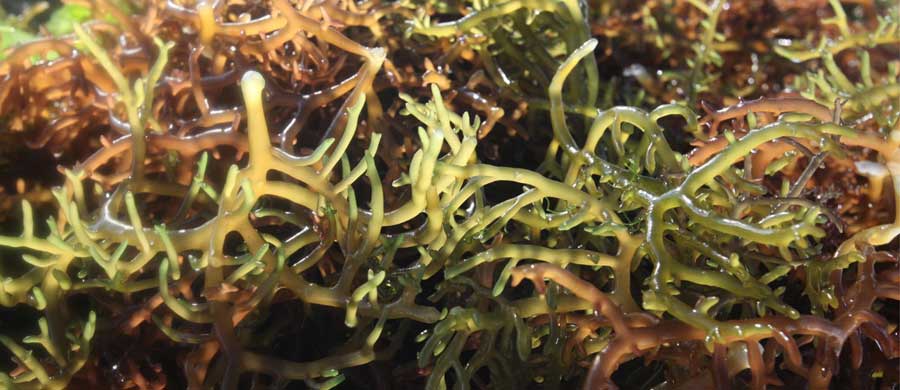
Sea moss, also known as Irish moss, is a type of red algae that grows along the rocky coasts of the Atlantic Ocean, particularly in the Caribbean and parts of Europe.
It has been traditionally used as:
- A thickening agent in food
- A folk remedy for digestion and immunity
- A nutrient-dense plant source of minerals
In modern wellness culture, sea moss is commonly consumed as:
- Sea moss gel
- Capsules or powders
- Blended drinks and smoothies
Why People Ask: How Many Minerals Does Sea Moss Have?
Sea moss is often marketed as one of the most mineral-rich plants on the planet. The claim that it contains “92 minerals” has become widespread, but this number is frequently misunderstood.
The real question is not just how many minerals does sea moss have, but:
- Which minerals are present?
- In what amounts?
- Are they nutritionally meaningful?
Let’s explore this in detail.
Understanding the “92 Minerals” Claim
Where the Claim Comes From
The idea that sea moss contains “92 minerals” is often linked to the theory that the human body uses 102 minerals and sea moss provides 92 of them. However, this claim:
- Is not supported by mainstream nutritional science
- Is not validated by standardized mineral analysis
- Often includes trace elements present in extremely small or non-nutritional amounts
What Science Supports
Laboratory analyses of sea moss show that it contains a wide range of minerals, but the nutritionally significant minerals are far fewer than 92.
That said, sea moss is still considered mineral-dense compared to many land-based plants.
Major Minerals Found in Sea Moss
Calcium
Calcium is essential for:
- Bone and teeth health
- Muscle contraction
- Nerve signaling
Sea moss contains small to moderate amounts of calcium, though it should not replace primary calcium sources like dairy or fortified foods.
Magnesium
Magnesium plays a role in:
- Energy production
- Muscle and nerve function
- Heart rhythm regulation
Sea moss provides magnesium in modest amounts, contributing to overall intake.
Potassium
Potassium supports:
- Fluid balance
- Muscle function
- Blood pressure regulation
Sea moss contains potassium, but not in concentrations high enough to meet daily needs alone.
Sodium
Naturally occurring sodium is present due to sea moss’s marine origin. While sodium is essential, intake should be balanced, especially for individuals managing blood pressure.
Phosphorus
Phosphorus is involved in:
- Bone structure
- Cellular energy production
- DNA synthesis
Sea moss contributes trace amounts of phosphorus.
Trace Minerals Found in Sea Moss
Trace minerals are required in much smaller quantities but are still important for health.
Iodine
Iodine is one of the most notable minerals in sea moss.
It supports:
- Thyroid hormone production
- Metabolism regulation
However, iodine content can vary significantly based on where the sea moss is harvested. Excess iodine intake may pose risks for some individuals.
Zinc
Zinc supports:
- Immune function
- Wound healing
- Enzyme activity
Sea moss contains small amounts of zinc, contributing to daily intake.
Iron
Iron is essential for:
- Oxygen transport in the blood
- Energy production
Sea moss provides iron in trace amounts, but it is not a substitute for iron-rich foods like red meat or legumes.
Selenium
Selenium plays a role in:
- Antioxidant defense
- Thyroid health
Sea moss contains trace selenium, though amounts vary.
Copper
Copper supports:
- Iron metabolism
- Nervous system function
Small quantities are present in sea moss.
Additional Elements Found in Sea Moss
Sea moss may also contain very small amounts of:
- Manganese
- Sulfur
- Boron
- Silicon
These elements are often cited in mineral count claims but are present in trace or ultra-trace quantities.
Mineral Content Depends on the Source
Why Sea Moss Mineral Content Varies
The mineral profile of sea moss depends on several factors:
- Geographic location
- Ocean water composition
- Harvesting methods
- Processing and drying techniques
This means that not all sea moss products contain the same minerals in the same amounts.
Does Sea Moss Provide Enough Minerals to Meet Daily Needs?
Sea Moss as a Supplement, Not a Replacement
While sea moss contains a wide range of minerals, it generally provides small amounts of each.
This means:
- It can complement a balanced diet
- It should not replace whole foods or targeted mineral supplements
Sea moss works best as a supportive addition, not a primary mineral source.
Bioavailability: Can Your Body Absorb These Minerals?
What Is Bioavailability?
Bioavailability refers to how well your body can absorb and use nutrients.
Sea Moss Mineral Absorption
Some minerals in sea moss are bound within plant structures, which may:
- Limit absorption
- Require digestion and processing to release nutrients
Consuming sea moss as a gel or blended form may improve digestibility, but absorption varies by individual.
Is Sea Moss Safe Given Its Mineral Content?
Iodine Considerations
Because sea moss can be high in iodine:
- Excess intake may affect thyroid function
- People with thyroid conditions should be cautious
Moderation and proper dosing are key.
Heavy Metals and Contaminants
Sea plants may absorb:
- Heavy metals
- Environmental contaminants
This makes sourcing and third-party testing important when choosing sea moss products.
How Much Sea Moss Is Typically Recommended?
Most sea moss products recommend:
- 1–2 tablespoons of gel per day
- Or a standardized capsule dose
Exceeding recommended amounts does not necessarily increase benefits and may increase risk.
Sea Moss vs Other Mineral Sources
Sea Moss vs Multivitamins
- Sea moss provides natural trace minerals
- Multivitamins offer standardized doses
Sea Moss vs Whole Foods
- Whole foods provide higher mineral density
- Sea moss offers variety, not quantity
Common Myths About Sea Moss Minerals
Myth: Sea Moss Has Every Mineral the Body Needs
Fact: Sea moss contains many minerals, but not all in nutritionally meaningful amounts.
Myth: More Minerals Means Better Health
Fact: Balance and bioavailability matter more than sheer numbers.
Final Verdict: How Many Minerals Does Sea Moss Have?
If you’re asking how many minerals does sea moss have, the most accurate answer is:
Sea moss contains over 20 essential and trace minerals, along with additional elements in very small amounts—but not all 92 minerals often claimed.
Sea moss can be a nutrient-dense addition to a balanced diet, but it should be used thoughtfully and in moderation.
References
National Institutes of Health – Office of Dietary Supplements
https://ods.od.nih.gov
U.S. Food & Drug Administration – Dietary Supplements
https://www.fda.gov/food/dietary-supplements
Harvard T.H. Chan School of Public Health – Minerals
https://www.hsph.harvard.edu/nutritionsource/minerals/
Cleveland Clinic – Sea Moss: Benefits and Risks
https://health.clevelandclinic.org/sea-moss
Journal of Applied Phycology – Mineral Composition of Seaweeds
https://link.springer.com/journal/10811