

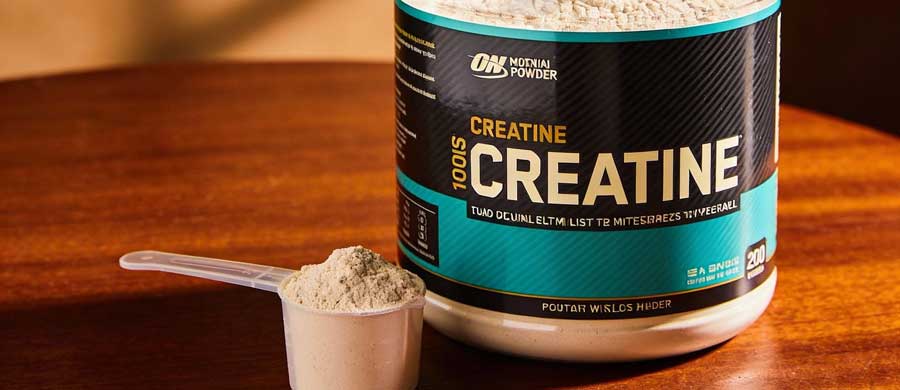
Creatine stands out as one of the most researched and widely used supplements for fitness and performance.
Whether you’re a beginner at the gym, a seasoned athlete, or focused on hitting new strength goals, a common question arises: how long does it take for creatine to work?
This ultimate guide breaks down the science-backed timeline of creatine effectiveness, explaining what to expect at each stage, how to take it properly, and strategies to maximize results.
From early muscle saturation to long-term strength gains, understanding how creatine works helps you plan and achieve your fitness goals efficiently.
Creatine usually starts showing results in 1–2 weeks, while full strength and performance benefits are typically seen after 3–4 weeks of consistent use.
Why Creatine Is One of the Most Popular Supplements?
Creatine is a naturally occurring compound found in muscles and the brain. It plays a key role in high-intensity energy production, helping your cells regenerate ATP — the energy currency your muscles use during intense workouts. Because of this, creatine helps:
- Increase strength
- Improve energy during short bursts
- Enhance recovery
- Support muscle growth over time
But unlike caffeine or pre-workouts, creatine isn’t something you’ll “feel” right away — it needs time to build up in your muscles before you start seeing noticeable benefits.
What Creatine Actually Does in Your Body?
How Creatine Works?
When you take creatine, your body absorbs it into the bloodstream and eventually stores it in your muscles as phosphocreatine — a fuel reserve used during short, intense activities like lifting or sprinting.
This stored creatine allows your muscles to regenerate ATP faster, meaning you can:
- Lift more weight
- Push harder during reps
- Recover slightly quicker between sets
But because these changes are metabolic and cellular, they don’t happen instantly.
Timeline: When Does Creatine Start Working?
Let’s break down what to expect, step by step:
First Hours: Blood Levels Rise Quickly
After taking creatine, blood creatine levels increase within 30–60 minutes, but this doesn’t translate to strength or performance gains yet.
Days 1–7: Early Phase & Muscle Saturation Starts
In the first week, creatine begins to saturate your muscle cells. If you use a loading phase (more on that below), this process happens much faster.
Some people report slight improvements in energy and muscle fullness as early as 5–7 days into supplementation.
Weeks 2–4: Noticeable Performance Benefits
Once muscles become saturated with creatine, you may start to notice:
- Improved strength during workouts
- Better recovery between sets
- Slight increase in muscle fullness/size
This typically happens around 2–4 weeks of consistent use, especially if you didn’t use a loading phase.
Weeks 4+ — Long-Term Gains
After around 4–12 weeks, creatine’s benefits become even more pronounced. By this point, most users see measurable increases in strength and performance, often tied to:
- Increased training workload
- Better recovery
- Greater muscle growth due to consistent training and creatine support
Long-term use continues to support performance as long as daily intake is maintained.
Loading Phase vs. Standard Dose: What’s the Difference?
How quickly creatine works largely depends on how you take it.
Loading Phase — Faster Results
A loading phase helps your muscles reach full creatine saturation much quicker:
- 20–25 grams per day broken into 4 doses for 5–7 days
- Then switch to 3–5 grams daily for maintenance
With loading, many users see benefits within 5–7 days.
No Loading — Slower but Steady
If you skip loading and take a regular maintenance dose (3–5 grams daily):
- It can take 2–4 weeks to fully saturate muscles
- You still get the benefits — they just arrive a bit slower
This is a gentler method and often preferred for long-term consistency.
What You Might Notice and When?
Here’s a simple breakdown of what changes to expect over time:
| Timeline | What You Might Feel/See |
| Day 1–7 (Loading) | Slight increase in muscle fullness |
| Week 1–2 | Early boost in training energy |
| Weeks 2–4 | Noticeable strength & recovery improvements |
| Month+ | Enhanced performance and potential muscle gain |
Note: Not everyone experiences visible muscle growth right away — some results are performance-based and subtle.
Tips to Maximize Creatine’s Effectiveness
To get the most out of your creatine supplementation, follow these best practices:
- Take It Consistently: Creatine won’t work if you take it sporadically. Daily intake — even on rest days — ensures your muscles stay saturated.
- Pair With Carbs & Protein: Taking creatine with a meal or shake containing carbs and protein may increase uptake into muscles
- Stay Hydrated: Creatine draws water into muscle cells — hydration helps support this effect and prevents possible cramps.
- Train Hard and Smart: Creatine boosts your capacity during high-intensity training, but without proper workouts, you won’t see the full benefits.
Common Questions People Ask
Is Creatine Safe?
Yes — creatine monohydrate is one of the most studied and safest supplements when taken as directed. Most protocols use 3–5 grams daily for long-term use with minimal side effects.
Will Creatine Make Me Gain Weight?
You may see weight increase due to water retention in muscles, especially during the first week of loading. This isn’t fat — it’s muscle hydration.
Do I Need to Cycle Creatine?
Cycling (stopping and restarting) isn’t necessary. Consistent use keeps muscles saturated and working at peak capacity.
Can You Feel Creatine Working Immediately?
No. Unlike caffeine or pre-workouts, creatine doesn’t provide an instant energy boost. It builds up over time before effects become noticeable.
Final Thoughts
Creatine isn’t an instant fix, but when taken consistently and correctly, it’s one of the most effective supplements for boosting strength, performance, and muscle growth.
If you use a loading phase, you can see results in about 5–7 days, while skipping loading may take 2–4 weeks for noticeable effects.
Full performance benefits typically appear over 4–12 weeks of regular use. To maximize results, stay consistent with your daily intake, stay well-hydrated, and pair creatine with proper nutrition and training.
Patience and consistency are key — your workouts and long-term progress will reflect the effort.
References
Creatine — Wikipedia (overview of creatine and its role in the body)
👉https://en.wikipedia.org/wiki/Creatine
Timing of Creatine Supplementation Around Exercise
👉https://pmc.ncbi.nlm.nih.gov/articles/PMC8401986/
Creatine Supplementation (dosing strategies & muscle performance effects)
👉 https://pubmed.ncbi.nlm.nih.gov/23851411/
Creatine 101: What It Is, What It Does & How Long It Takes to Work
👉 https://www.healthline.com/nutrition/what-is-creatine
Creatine Monohydrate Oral Details
👉 https://www.webmd.com/vitamins/ai/ingredientmono-873/creatine
.