

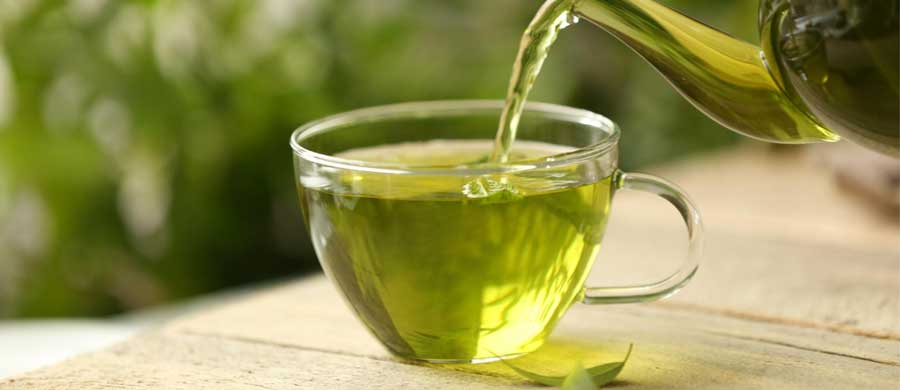
Green tea has long been celebrated as one of the healthiest beverages in the world. From boosting metabolism to supporting heart health, this ancient drink has earned its place in modern wellness routines.
But one question continues to spark debate among health enthusiasts: Is drinking green tea on an empty stomach good or bad for you?
Some swear by it as a morning ritual for fat loss and detoxification, while others report nausea, acidity, or discomfort. The truth lies somewhere in between—and it depends on how, when, and who is drinking it.
In this in-depth guide by MrSupps, we’ll explore the science-backed benefits, potential side effects, best practices, and expert tips around drinking green tea on an empty stomach so you can decide if it’s right for your lifestyle and fitness goals.
Drinking green tea on an empty stomach can boost metabolism and alertness, but may cause nausea, acidity, or stomach discomfort in some people.
What Is Green Tea and Why Is It So Popular?
Green tea is made from the leaves of the Camellia sinensis plant and is minimally processed compared to black or oolong tea. This allows it to retain a higher concentration of beneficial compounds, particularly antioxidants.
Key Nutrients and Compounds in Green Tea
Green tea contains several bioactive compounds that contribute to its health benefits:
- Catechins (especially EGCG – Epigallocatechin Gallate)
- Caffeine (lower than coffee)
- L-theanine
- Polyphenols
- Flavonoids
These compounds work together to support metabolism, brain function, and overall wellness—making green tea a favorite among athletes, dieters, and health-conscious individuals.
Drinking Green Tea on an Empty Stomach: What It Means
Drinking green tea on an empty stomach typically refers to consuming it first thing in the morning before breakfast or after long fasting periods (such as intermittent fasting).
Why People Drink Green Tea on an Empty Stomach
People choose to drink green tea on an empty stomach for several reasons:
- To boost metabolism early in the day
- To support fat burning
- To kick-start digestion
- To enhance detoxification
-
As a low-calorie caffeine alternative to coffee
While these goals are valid, it’s important to understand how your body reacts when green tea is consumed without food.
Benefits of Drinking Green Tea on an Empty Stomach
When tolerated well, drinking green tea on an empty stomach can offer several notable health benefits.
Boosts Metabolism and Fat Burning
Green tea is widely known for its metabolism-boosting properties. The catechins, particularly EGCG, have been shown to increase fat oxidation and improve metabolic rate.
Drinking green tea on an empty stomach may enhance these effects because:
- Catechins are absorbed more rapidly
- Insulin levels are low, favoring fat utilization
- Caffeine stimulates thermogenesis early in the day
This is why many people include green tea in their weight loss and cutting phases.
Supports Weight Loss Goals
For those aiming to lose weight, drinking green tea on an empty stomach can be helpful when combined with a calorie-controlled diet and regular exercise.
Potential weight-loss benefits include:
- Reduced appetite for some individuals
- Increased calorie burn
- Improved fat mobilization during fasted states
However, green tea alone is not a magic solution—it works best as part of a consistent lifestyle.
Enhances Antioxidant Absorption
Green tea is rich in antioxidants, which help neutralize free radicals and reduce oxidative stress.
Drinking green tea on an empty stomach may:
- Improve absorption of catechins
- Enhance cellular protection
- Support long-term health and recovery
Athletes and active individuals often use green tea to support recovery and inflammation management.
Improves Mental Alertness and Focus
Thanks to its unique combination of caffeine and L-theanine, green tea provides calm, sustained energy without the jitters associated with coffee.
Drinking green tea on an empty stomach in the morning can:
- Improve concentration
- Enhance mood
- Increase alertness
- Support productivity without crashes
This makes it a popular choice for people who want a gentle mental boost.
Supports Heart and Metabolic Health
Regular green tea consumption has been linked to:
- Improved cholesterol levels
- Better blood sugar control
- Reduced risk of cardiovascular disease
While these benefits come from consistent intake over time, starting your day with green tea can contribute to overall metabolic health.
Side Effects of Drinking Green Tea on an Empty Stomach
Despite its benefits, drinking green tea on an empty stomach is not suitable for everyone.
Can Cause Nausea and Stomach Discomfort
One of the most common complaints is nausea. This happens because green tea contains tannins, which can increase stomach acid production.
Possible symptoms include:
- Nausea
- Stomach pain
- Acid reflux
- Bloating
People with sensitive stomachs are more likely to experience these effects.
May Lead to Acidity or Heartburn
Drinking green tea on an empty stomach can aggravate acidity, especially for those prone to acid reflux or gastritis.
Tannins and caffeine can irritate the stomach lining when no food is present, leading to discomfort.
Interferes with Iron Absorption
Green tea can inhibit the absorption of non-heme iron (plant-based iron). Drinking it on an empty stomach regularly may increase the risk of iron deficiency in some individuals.
This is particularly important for:
- Women
- Vegetarians and vegans
- People with anemia
Caffeine Sensitivity Issues
Although green tea contains less caffeine than coffee, drinking it on an empty stomach can intensify caffeine effects, such as:
- Anxiety
- Jitters
- Rapid heartbeat
- Lightheadedness
If you are caffeine-sensitive, this is an important consideration.
Who Should Avoid Drinking Green Tea on an Empty Stomach?
Drinking green tea on an empty stomach is not recommended for everyone.
You should avoid it if you:
- Have a sensitive stomach
- Experience acid reflux or gastritis
- Have an iron deficiency or anemia
- Are highly sensitive to caffeine
- Feel nauseous after consuming tea without food
In these cases, it’s better to drink green tea after meals or with a light snack.
The Best Time to Drink Green Tea for Maximum Benefits
Timing plays a crucial role in how your body responds to green tea.
Is Morning the Best Time?
Morning can be a good time—but not necessarily on an empty stomach.
Better options include:
- After a light breakfast
- Between meals
- Mid-morning or early afternoon
This reduces the risk of stomach irritation while still allowing you to enjoy its benefits.
Green Tea Before or After Meals?
- Before meals: May help control appetite (if tolerated)
- After meals: Supports digestion and reduces stomach issues
For most people, drinking green tea 30–60 minutes after eating is ideal.
Green Tea and Intermittent Fasting
If you practice intermittent fasting, green tea is often included during fasting windows.
Tips for fasting safely with green tea:
- Avoid very strong brews
- Drink warm, not hot
- Stop if you feel nauseous
Listen to your body—fasting doesn’t mean pushing through discomfort.
How to Drink Green Tea on an Empty Stomach Safely
If you still want to try drinking green tea on an empty stomach, follow these tips to minimize side effects.
Use a Mild Brew
- Use fewer tea leaves
- Brew for 1–2 minutes instead of longer
- Avoid overly concentrated tea
Add Lemon or Honey (Optional)
Adding a few drops of lemon or a small amount of honey may reduce bitterness and stomach irritation (note: honey breaks a fast).
Choose High-Quality Green Tea
Low-quality tea may contain more tannins and impurities. Opt for:
- Organic green tea
- Matcha (in small amounts)
Stay Hydrated: Drink a glass of water before green tea to reduce stomach irritation.
Green Tea vs Coffee on an Empty Stomach
Many people replace coffee with green tea for a gentler experience.
Why Green Tea Is Easier on the Stomach Than Coffee?
- Lower caffeine content
- Contains L-theanine
- Less acidic
However, even green tea can cause issues when consumed without food.
Frequently Asked Questions
Can I drink green tea daily on an empty stomach?
You can, but only if you experience no discomfort. Otherwise, drink it after meals.
Does green tea burn belly fat on an empty stomach?
Green tea may support fat loss, but spot reduction is not possible. Results depend on overall diet and exercise.
Is matcha better than green tea on an empty stomach?
Matcha is more concentrated and may cause stronger side effects. Start with small amounts.
Final Verdict: Is Drinking Green Tea on an Empty Stomach Good for You?
Drinking green tea on an empty stomach can be beneficial—but only for certain people.
The Bottom Line
- It may boost metabolism and fat burning
- It provides antioxidants and mental clarity
- It can cause nausea, acidity, and discomfort
- It may interfere with iron absorption
The best approach is personalization.
If your body tolerates it well, you can enjoy the benefits. If not, drinking green tea after meals is just as effective—and safer.
References
1. Medical News Today – Green Tea Health Benefits
👉https://www.medicalnewstoday.com/articles/269538
2. PubMed – Effects of Green Tea on Weight Loss
👉https://pubmed.ncbi.nlm.nih.gov/19597519/
3. Verywell Fit – Best Time to Drink Green Tea
👉https://www.verywellfit.com/best-time-to-drink-green-tea-5202656
4. WebMD – Green Tea Nutrition and Safety
👉https://www.webmd.com/diet/health-benefits-green-tea
5. Healthline – Green Tea on an Empty Stomach
👉https://www.healthline.com/nutrition/best-time-to-drink-green-tea