

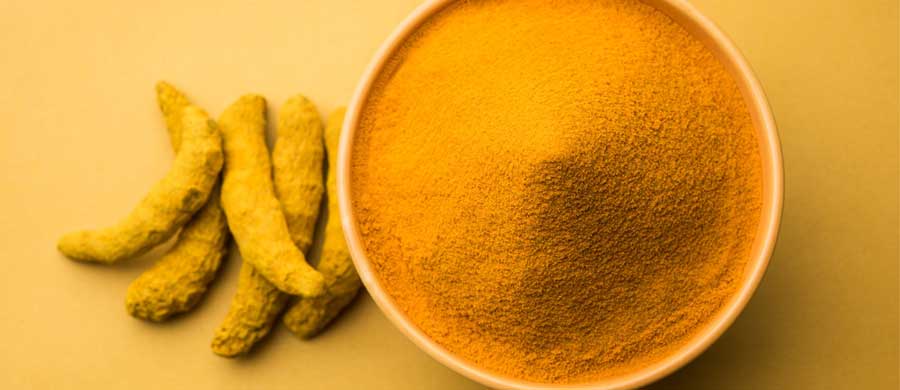
Turmeric has exploded in popularity over the last decade. From golden lattes and curries to capsules and recovery supplements, this bright yellow spice is now a staple in many health-conscious lifestyles.
But with all its benefits comes a common concern many people type into Google: Does turmeric stain your teeth?
If you’ve noticed yellow discoloration after enjoying turmeric regularly—or you’re worried it might happen—this in-depth guide is for you.
We’ll explore the science behind turmeric staining, whether it’s permanent, how to prevent it, and what you can do to keep your smile bright while still enjoying turmeric’s powerful health benefits.
Yes, turmeric can temporarily stain your teeth due to its strong yellow pigment, but stains are surface-level and usually easy to remove with brushing.
What Is Turmeric and Why Is It So Popular?
Turmeric is a spice derived from the root of the Curcuma longa plant, traditionally used in Indian and Southeast Asian cooking and medicine for thousands of years.
The Power of Curcumin
The key active compound in turmeric is curcumin, which is responsible for:
- Turmeric’s vibrant yellow-orange color
- Its potent anti-inflammatory properties
- Strong antioxidant effects
Curcumin is the reason turmeric is commonly used in supplements aimed at joint health, muscle recovery, immunity, and general wellness—making it especially popular among athletes and fitness enthusiasts who shop at stores like MrSupps.
Does Turmeric Stain Your Teeth?
The Short Answer
Yes, turmeric can stain your teeth—but usually only temporarily.
The staining effect is primarily due to curcumin’s intense pigment, which can cling to plaque and surface enamel, especially if oral hygiene isn’t optimal.
Why Turmeric Has Staining Potential
Turmeric stains teeth for the same reasons it stains:
- Kitchen counters
- Cutting boards
- Plastic containers
Curcumin is:
- Highly pigmented
- Fat-soluble
- Easily absorbed by porous surfaces
Tooth enamel, while strong, is slightly porous—especially if it’s worn down by acidic foods, sugar, or poor oral hygiene.
Is Turmeric Teeth Staining Permanent?
Good News: Usually Not
In most cases, turmeric stains are surface-level and not permanent. Unlike intrinsic stains (which occur deep within the tooth), turmeric discoloration tends to sit on the enamel and can often be removed with:
- Regular brushing
- Whitening toothpaste
- Professional dental cleaning
However, the risk of longer-lasting stains increases if turmeric is consumed frequently and teeth are not properly cleaned.
How Turmeric Consumption Affects Tooth Color
1. Turmeric Powder and Foods
Foods like curries, soups, and golden milk are more likely to stain teeth because:
- They coat the mouth
- Pigment lingers on enamel
- They are often consumed warm, which can open enamel pores slightly
2. Turmeric Supplements
Capsules and tablets are far less likely to stain teeth because they are swallowed quickly and do not come into prolonged contact with enamel.
This is one reason many people prefer high-quality turmeric supplements over raw powder.
Who Is Most at Risk of Turmeric Teeth Staining?
Certain factors can make you more susceptible to discoloration.
Enamel Wear
If your enamel is thin or weakened due to:
- Acidic diets
- Teeth grinding
- Overuse of whitening products
…turmeric pigments may adhere more easily.
Plaque Buildup
Plaque acts like a sponge for pigments. The more plaque you have, the higher the risk of staining.
Frequent Turmeric Use
Daily turmeric lattes or multiple meals with turmeric can increase cumulative exposure.
How to Prevent Turmeric from Staining Your Teeth
The good news? You don’t need to give up turmeric to protect your smile.
Brush and Rinse After Consumption
- Rinse your mouth with water immediately after eating turmeric
- Brush your teeth within 30–60 minutes
This helps remove pigment before it settles.
Use a Straw for Turmeric Drinks
When drinking golden milk or turmeric tea, using a straw minimizes direct contact with your teeth.
Maintain Excellent Oral Hygiene
- Brush twice daily
- Floss once daily
- Use a fluoride toothpaste
Clean enamel is less likely to stain.
Can Whitening Toothpaste Remove Turmeric Stains?
Yes—To a Point
Whitening toothpaste can be effective at removing surface stains caused by turmeric, especially if used consistently.
Look for toothpaste containing:
- Mild abrasives (like silica)
- Baking soda
- Hydrogen peroxide (low concentration)
However, avoid overusing abrasive products, as they can damage enamel over time.
Professional Dental Cleaning vs. Turmeric Stains
If turmeric stains persist, a professional cleaning can usually remove them easily.
What Dentists Do
- Polish enamel to remove surface pigments
- Remove plaque and tartar buildup
- Restore natural tooth brightness
This is often faster and safer than aggressive at-home whitening methods.
Does Turmeric Actually Whiten Teeth?
You may have seen DIY remedies claiming that turmeric whitens teeth. While turmeric does have antibacterial properties, there’s little scientific evidence that it truly whitens enamel.
Why the Confusion Exists?
- Turmeric can reduce plaque-causing bacteria
- Reduced plaque can make teeth appear cleaner
- Cleaner teeth can look brighter
However, turmeric itself is not a bleaching agent—and improper use may actually increase staining.
Turmeric Supplements vs. Turmeric Powder for Teeth
Why Supplements Are the Better Option
Turmeric supplements—especially high-quality formulas—offer several advantages:
- Minimal contact with teeth
- Controlled curcumin dosage
- No mess or staining risk
- Often combined with black pepper (piperine) for better absorption
This makes supplements a smart choice for those concerned about dental aesthetics.
Turmeric’s Health Benefits Still Outweigh the Staining Risk
Despite the staining concern, turmeric remains one of the most researched natural compounds in the world.
Key Benefits Include
- Reduced inflammation and joint pain
- Improved exercise recovery
- Antioxidant support
- Immune system support
When used responsibly and paired with good oral hygiene, turmeric’s benefits far outweigh its cosmetic downsides.
How Athletes and Active Individuals Can Use Turmeric Safely
For gym-goers and athletes shopping at MrSupps, turmeric is often used to support recovery and joint health.
Best Practices
- Choose capsule or tablet forms
- Take turmeric with meals
- Maintain consistent oral hygiene
- Schedule regular dental checkups
This approach ensures you gain all the benefits without worrying about yellowing teeth.
Frequently Asked Questions About Turmeric and Teeth
Does turmeric stain veneers or crowns?
Turmeric is less likely to stain veneers or crowns, but it can still stain plaque buildup around them.
How long do turmeric stains last?
Surface stains may last a few days if not brushed properly, but they are usually removable.
Can turmeric damage enamel?
Turmeric itself does not damage enamel. Poor oral hygiene combined with frequent exposure is the real issue.
Final Verdict: Should You Stop Using Turmeric?
Absolutely not.
Turmeric can stain teeth temporarily, but it does not permanently discolor enamel when used correctly. With simple preventive steps and smart supplementation choices, you can enjoy turmeric’s powerful health benefits while keeping your smile bright.
For those who want all the advantages without the mess, turmeric supplements from trusted retailers like MrSupps offer a convenient, effective solution.
References
Healthline – Turmeric Benefits & Side Effects
👉https://www.healthline.com/nutrition/turmeric-benefits
National Center for Biotechnology Information (NCBI)
👉https://www.ncbi.nlm.nih.gov/pmc/articles/PMC5664031/
WebMD – Turmeric Uses, Benefits & Precautions
👉https://www.webmd.com/vitamins/ai/ingredientmono-662/turmeric
Harvard Health Publishing – Turmeric and Inflammation
👉https://www.health.harvard.edu/staying-healthy/turmeric-benefits
Wikipedia – Turmeric (Curcuma longa)
👉https://en.wikipedia.org/wiki/Turmeric