

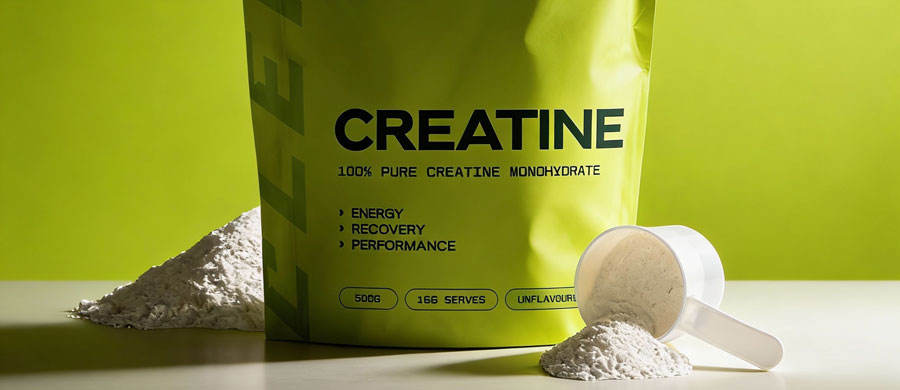
Creatine has earned its place as one of the most effective supplements for building strength and muscle, but many people still hesitate to use it because of one common concern: does creatine make you bloated?
From online forums to gym conversations, water retention and bloating are often mentioned as drawbacks. In reality, these claims are frequently misunderstood.
In this detailed guide from MrSupps, we’ll explore how creatine works in the body, whether bloating is something you should worry about, and how to take creatine properly to enjoy the benefits without unnecessary discomfort.
What Is Creatine?
Creatine is a naturally occurring compound found in your muscles. It’s made up of three amino acids — arginine, glycine, and methionine — and plays a key role in high-intensity performance by helping regenerate ATP, your cells’ “energy currency.”
Your body makes some creatine on its own, but athletes and gym enthusiasts often supplement to increase their stores, improve strength, and boost workout performance.
The most common form used in supplements is creatine monohydrate, known for its effectiveness, safety, and affordability.
The Bloating Misconception Explained
You’ve likely heard people say “creatine makes you bloated” — but what does that really mean?
Water Retention vs. Bloating
When people complain of bloating after taking creatine, it’s often due to water retention inside muscle cells, not actual fat or gas buildup. Creatine pulls water into muscle tissue — a process that helps improve muscle size and performance.
This increase in intracellular water may make your muscles feel “fuller,” and some people even notice a slight weight increase early on because of it.
This isn’t typical bloating — the uncomfortable, gassy feeling many associate with digestive distress — even though many gym forums may seem to conflate the two.
When Does Bloating Happen?
Most of the reports of bloating come from:
- The Loading Phase: Taking 20–25 grams of creatine per day for 5–7 days can increase water uptake quickly, leading to a sensation of puffiness or weight gain.
- Digestive Sensitivity: Some individuals experience stomach cramps, gas, or indigestion — especially with non-micronised creatine or taking large doses at once.
Important: The bloating effect is usually temporary and often settles once you move to a lower, maintenance dose.
Why Does Creatine Cause Water Weight?
Creatine attracts water into your muscle cells — a process called cellular hydration. This is a good thing: hydrated muscles perform better and recover faster.
However, this rapid shift can lead to temporary fullness or slight puffiness, which some people misinterpret as bloating or fat.
Loading Dose vs. Maintenance Dose
- Loading Dose: Higher initial doses may saturate muscles faster but can cause more noticeable water retention and bloating.
- Maintenance Dose: A steady daily dose (3–5 g) saturates muscles more slowly without the initial water shift — and often avoids the bloating effect altogether.
Tip: Many studies show that skipping the loading phase and starting with a maintenance dose still delivers the same long-term benefits with fewer side effects.
Does Creatine Cause Digestive Bloating?
Yes — but only in some people and usually due to:
- Taking large doses at once
- Mixing creatine poorly
- Sensitive digestive systems
- Taking it on an empty stomach
When creatine isn’t fully dissolved or is taken in big doses, the gut may react with mild cramps, gas, or digestive discomfort.
These effects are much less common at typical maintenance doses and with proper hydration.
How to Take Creatine Without Feeling Bloated
1. Skip the Loading Phase
Avoid large starting doses and take 3–5 grams daily to fully saturate muscles over time while significantly reducing bloating and water retention.
2. Hydrate Properly
Staying well hydrated supports fluid balance in the body and helps prevent the temporary puffiness often confused with creatine-related bloating.
3. Break Up Your Dose
If you experience sensitivity, divide your daily creatine intake into smaller servings throughout the day to support digestion and minimize discomfort.
4. Choose Micronized Creatine
Micronized creatine mixes more easily with liquids, improving absorption and reducing the chance of digestive issues compared to standard creatine powders.
5. Take With Food
Consuming creatine alongside a meal may improve tolerance, support digestion, and help reduce stomach discomfort or bloating in sensitive individuals.
Types of Creatine — Which One Isn’t Bloating?
Not all creatine products are created equal. Here’s a snapshot:
Creatine Monohydrate
- Most studied and trusted
- Can cause minor water retention, but manageable
- Best choice for most lifters
Creatine HCl (Hydrochloride)
- More soluble in water
- May reduce digestive bloating for some users
(Note: some individuals still report mixed experiences)
Buffered or Mixed Creatines
- Claims to reduce bloating and improve uptake
- Varying evidence; not always worth premium pricing
The bottom line: Micronized creatine monohydrate remains the gold standard for effectiveness with minimal side effects.
Creatine Bloating — Myth vs. Reality
Let’s clarify:
| Claim | Reality |
| Creatine makes you fat | ✘ False — weight change is water, not fat |
| Creatine bloats your stomach | ✘ Not typically — most water retention is in muscles |
| Everyone gets bloated | ✘ False — varies by dose and individual |
| Bloating is permanent | ✘ False — usually short-term and dose-dependent |
The main “bloating” concern comes from temporary water shifts, especially during high initial doses.
MrSupps Recommended Creatine Tips
- Stick to 3–5 g daily
- Hydrate consistently
- Use micronized creatine
- Take after workouts or with meals
- Avoid huge loading doses unless necessary
A well-structured creatine regimen can help you build muscle without the bloat. 💪
Final Takeaways — Should You Worry?
No. Creatine is a safe, effective supplement backed by decades of research. It can cause temporary bloating if taken at high doses, especially during loading, but this is not fat gain and often resolves quickly.
With smarter dosing and proper hydration, most users don’t experience uncomfortable side effects — and many enjoy increased strength, lean muscle, and improved performance.
References
Healthline – Does Creatine Cause Bloating & Water Retention?
👉 https://www.healthline.com/nutrition/creatine-bloating
WebMD – Creatine: Uses, Side Effects, Interactions, Dosage & Warning
👉 https://www.webmd.com/vitamins/ai/ingredientmono-873/creatine
Wikipedia – Creatine
👉 https://en.wikipedia.org/wiki/Creatine
PubMed — Effects of Creatine Supplementation on Body Composition
👉 https://pubmed.ncbi.nlm.nih.gov/12945830/
PMC (NCBI) — Creatine Supplementation and Safety: Evidence Review
👉 https://www.ncbi.nlm.nih.gov/pmc/articles/PMC5469049/
.