

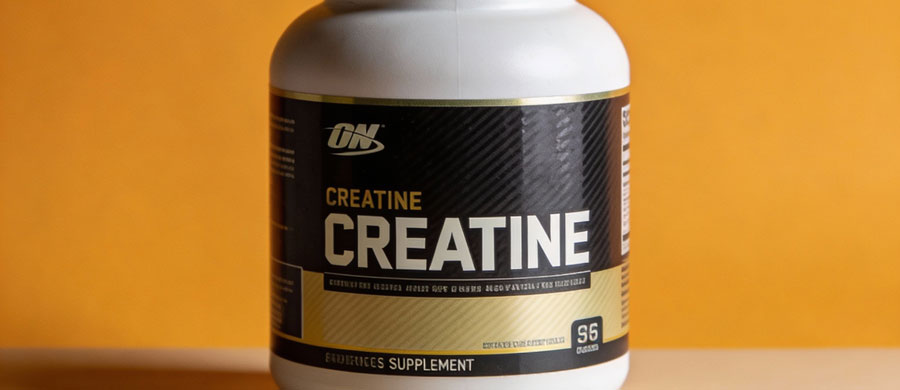
Creatine is one of the most researched and popular supplements in the fitness world. From bodybuilders to casual gym-goers, creatine is praised for boosting strength, power, and muscle growth. But like any supplement, you might wonder: does creatine expire?
In this guide, we’ll break down everything you need to know about creatine’s shelf life, proper storage, signs it’s gone bad, and whether it’s still safe to use.
Yes, creatine can expire. It may lose potency over time but remains safe if stored dry, cool, and sealed properly.
What Is Creatine?
Creatine is a naturally occurring compound found in small amounts in foods like red meat and fish. It’s also produced by your liver, kidneys, and pancreas. Most people take creatine as a supplement in the form of creatine monohydrate, which helps:
- Increase muscle energy stores
- Improve high-intensity exercise performance
- Support faster recovery
- Promote lean muscle growth
Its effectiveness and safety have been studied for decades, making it one of the most trusted supplements on the market.
How Long Does Creatine Last?
Shelf Life of Creatine
Creatine supplements usually come with a “best by” or expiration date printed on the container. Most creatine powders have a shelf life of 2–3 years from the manufacturing date if stored correctly.
Key factors affecting shelf life:
- Moisture: Creatine can degrade into creatinine, an inactive compound, when exposed to water.
- Heat: High temperatures can accelerate degradation.
- Air exposure: Frequent opening of the container can affect potency over time.
Does Expired Creatine Harm You?
The good news is that expired creatine is generally not harmful if consumed. The main concern is that it may lose its potency and may not provide the full performance benefits. Creatine that has absorbed moisture may clump or feel grainy, which indicates it’s starting to degrade.
Signs Creatine Has Gone Bad
Even though creatine is stable, certain signs indicate it may have expired or degraded:
1. Clumping or Hard Texture
If your creatine powder forms hard clumps or sticks together, it may have absorbed moisture. While not necessarily dangerous, clumped creatine may dissolve less effectively in water.
2. Off Smell or Taste
Fresh creatine is odorless and slightly bitter. If it smells sour or metallic, it may have deteriorated.
3. Discoloration
Any change from white to yellowish or grayish can indicate degradation. Avoid using it if it looks unusual.
4. Reduced Effectiveness
Even if creatine appears fine, it may slowly convert to creatinine over time, making it less effective at boosting muscle strength and recovery.
How to Store Creatine Properly
Proper storage is key to maximizing creatine’s shelf life. Follow these tips:
- Keep it dry: Store creatine in a moisture-free container. Avoid using a wet spoon.
- Cool environment: Avoid direct sunlight and heat. A pantry or cupboard is ideal.
- Seal tightly: Always close the lid after use to limit air exposure.
- Avoid mixing with liquids: Only mix creatine with water or shakes right before consumption.
Different Types of Creatine and Their Shelf Life
Not all creatine supplements are created equal. Some forms are more stable than others:
1. Creatine Monohydrate
The most common type. Stable for 2–3 years when stored correctly.
2. Micronized Creatine
Finer particles dissolve better, but the shelf life is similar to monohydrate.
3. Creatine Ethyl Ester or Buffered Creatine
More prone to degradation if exposed to moisture. Follow storage instructions carefully.
4. Creatine Capsules or Tablets
Encapsulated creatine may last longer because it’s less exposed to moisture, but always check the expiration date.
Frequently Asked Questions
Can I Take Creatine on Rest Days?
Yes! Your muscles still benefit from creatine even on non-training days. Maintaining consistent levels in your muscles helps improve long-term performance.
Does Creatine Expire Faster If Opened?
Opening a container frequently increases air and moisture exposure, which can slightly reduce shelf life. Always reseal tightly and store in a dry, cool place.
Can I Mix Creatine with Hot Drinks?
It’s not recommended. High temperatures can accelerate breakdown into creatinine, reducing effectiveness.
How Do I Know if Creatine Is Still Effective?
If the powder is still white, odorless, and free-flowing, it’s likely still effective. If in doubt, consider replacing it after 2–3 years or if it shows signs of moisture damage.
Tips to Maximize Creatine Potency
- Buy smaller containers if you don’t use it daily.
- Store in original packaging with the desiccant included.
- Keep a dry measuring spoon for dosing.
- Avoid exposure to sunlight and high heat.
Conclusion
Creatine is one of the most effective supplements for boosting strength, endurance, and muscle growth. While it does expire, proper storage ensures it remains safe and effective for years.
Always check for clumping, discoloration, or off smells before use. With the right handling, creatine can continue supporting your fitness goals long after purchase.
References
International Society of Sports Nutrition – Creatine Position Stand
👉 https://jissn.biomedcentral.com/articles/10.1186/s12970-017-0173-z
Creatine Supplementation and Safety (Open-Access Full Text by ISSN)
👉 https://pmc.ncbi.nlm.nih.gov/articles/PMC5469049/
NIH Office of Dietary Supplements – Creatine and Dietary Supplement Fact Sheets
👉 https://ods.od.nih.gov/factsheets/list-all/
NIH PubMed – Creatine’s Effect on Body Composition (Classic Study)
👉 https://pubmed.ncbi.nlm.nih.gov/12945830/
Meta-Analysis on Creatine and Performance
👉 https://pubmed.ncbi.nlm.nih.gov/34234088/