

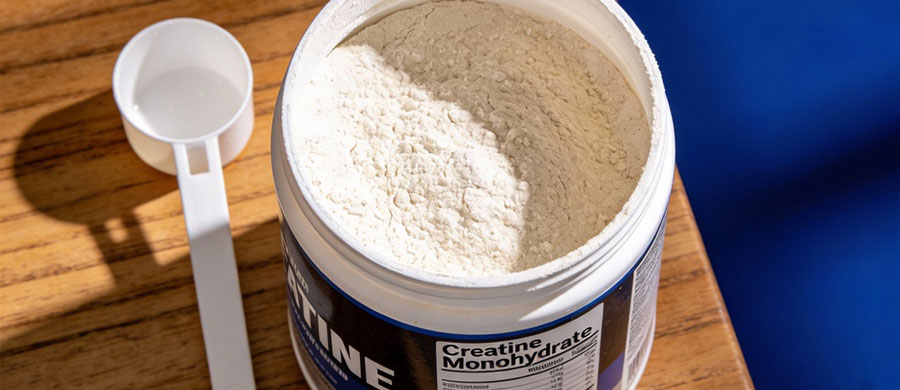
Creatine is one of the most researched and widely used supplements in the fitness world.
From professional athletes to everyday gym-goers, millions rely on creatine to boost strength, power, and muscle growth. However, one question keeps popping up in gyms and forums: does creatine cause acne?
If you’ve ever hesitated to take creatine because you’re worried about breakouts, you’re not alone. Acne is a sensitive topic, and no one wants clearer muscles at the expense of clearer skin.
In this in-depth guide by MrSupps, we’ll explore the science, myths, and real-world evidence behind creatine and acne—so you can make an informed decision.
No, creatine does not cause acne. Studies show no direct link between creatine use and breakouts, making it safe for skin while supporting performance.
What Is Creatine and Why Is It So Popular?
Creatine is a naturally occurring compound present in small amounts in foods such as red meat and fish.
The body also produces it in the liver, kidneys, and pancreas. Once produced, creatine is stored mainly in skeletal muscles, where it plays a crucial role in energy production.
During high-intensity activities like weightlifting or sprinting, creatine helps regenerate ATP (adenosine triphosphate), the primary energy molecule, allowing muscles to perform at peak levels for longer periods.
Its ability to enhance strength, power, and muscle growth makes creatine one of the most popular and widely researched supplements in the fitness world.
How Creatine Works in the Body?
When you perform short bursts of intense activity—like lifting weights or sprinting—your muscles rely on ATP for energy. Creatine increases phosphocreatine stores in the muscles, allowing for faster ATP regeneration. This translates to:
- Increased strength and power
- Improved workout performance
- Enhanced muscle mass over time
- Faster recovery between sets
Because of these benefits, creatine monohydrate has become a staple supplement in the fitness industry.
Understanding Acne: What Actually Causes Breakouts?
Before answering the big question—does creatine cause acne—it’s important to understand what causes acne in the first place.
The Main Causes of Acne
Acne develops when pores become clogged with oil (sebum), dead skin cells, and bacteria. Several factors contribute to this process:
- Hormonal changes (especially androgens like testosterone)
- Excess oil production
- Bacterial growth (Cutibacterium acnes)
- Inflammation
- Genetics
Diet, stress, sleep, and skincare habits also play a role. Supplements can sometimes influence acne indirectly, which is why creatine often gets blamed.
Does Creatine Cause Acne? The Short Answer
There is no direct scientific evidence proving that creatine causes acne.
Despite widespread claims online, no peer-reviewed studies have conclusively shown that creatine supplementation leads to acne breakouts.
However, the story doesn’t end there. Some indirect mechanisms may explain why certain individuals believe creatine worsens their acne.
Let’s break it down.
The Testosterone Myth: Does Creatine Increase Hormones?
One of the most common arguments linking creatine to acne is its supposed effect on testosterone and DHT (dihydrotestosterone).
Creatine and Testosterone Levels
Several studies have examined whether creatine increases testosterone. The majority show:
- No significant increase in total testosterone
- No consistent hormonal spikes in healthy adults
However, one small study suggested creatine might increase DHT levels. Since DHT is a hormone linked to oil production and acne, this finding raised concerns.
Should You Be Worried About DHT?
The key points to understand are:
- The study was small and not widely replicated
- DHT increases were still within normal physiological ranges
- Not everyone responds to creatine the same way
In other words, even if creatine slightly affects DHT in some people, it does not automatically mean it will cause acne.
Indirect Reasons People Associate Creatine with Acne
If science doesn’t support a direct link, why do so many people swear that creatine caused their breakouts?
1. Increased Training Intensity and Sweating
Creatine allows you to train harder and longer. More intense workouts often mean:
- Increased sweating
- More friction from gym equipment and clothing
- Higher exposure to bacteria
If you’re not showering promptly or wearing clean workout gear, this alone can trigger acne—especially on the back, chest, and shoulders.
2. Water Retention and Skin Changes
Creatine draws water into muscle cells, leading to intracellular hydration. While this is beneficial for performance, some people report feeling “bloated” or noticing changes in skin texture.
This doesn’t cause acne directly, but it may make existing skin issues more noticeable.
3. Diet Changes While Using Creatine
Many people start creatine alongside a muscle-building diet that includes:
- Higher calorie intake
- More dairy products
- Increased whey protein consumption
Dairy and certain protein powders have stronger links to acne than creatine itself, which can create a false association.
Who Might Be More Prone to Breakouts While Using Creatine?
While creatine doesn’t directly cause acne, certain individuals may notice breakouts when supplementing.
People with Acne-Prone Skin
If you already struggle with acne, any change—diet, supplements, stress, or training intensity—can potentially trigger flare-ups.
Teenagers and Young Adults
Hormonal fluctuations during adolescence and early adulthood make this group more susceptible to acne, regardless of supplement use.
Those with Poor Skincare or Gym Hygiene
Not washing your face, back, or body after workouts can trap sweat and bacteria, leading to acne that gets wrongly blamed on creatine.
How to Use Creatine Without Worsening Acne?
If you want the performance benefits of creatine without risking skin issues, follow these best practices.
Choose High-Quality Creatine
Opt for pure creatine monohydrate with no fillers, sugars, or unnecessary additives. Low-quality supplements may contain ingredients that irritate the skin.
Stay Properly Hydrated
Drinking enough water helps regulate oil production and supports overall skin health. Creatine increases water needs, so hydration is essential.
Maintain Good Gym Hygiene
- Shower as soon as possible after workouts
- Wear clean, breathable workout clothes
- Avoid touching your face during training
Follow a Consistent Skincare Routine
A simple routine can make a big difference:
- Cleanse twice daily
- Use non-comedogenic products
- Exfoliate gently to prevent clogged pores
Final Verdict
So, does creatine cause acne? Based on current scientific evidence, the answer is no.
Creatine does not directly cause acne. However, indirect factors such as increased training intensity, dietary changes, hydration levels, and individual skin sensitivity may contribute to breakouts in some users.
For most people, creatine is a safe, effective, and well-tolerated supplement that delivers real performance benefits—without harming skin health.
References
1. Creatine Supplementation and Safety
👉 https://pmc.ncbi.nlm.nih.gov/articles/PMC5469049/
2. Creatine Fact Sheet
👉 https://ods.od.nih.gov/factsheets/list-all/
3. Creatine’s Effect on Body Composition
👉 https://pubmed.ncbi.nlm.nih.gov/12945830/
4. Does Creatine Cause Acne?
👉 https://www.healthline.com/health/does-creatine-cause-acne
5. Creatine Supplements: Benefits and Side Effects
👉 https://www.webmd.com/vitamins-and-supplements/creatine