

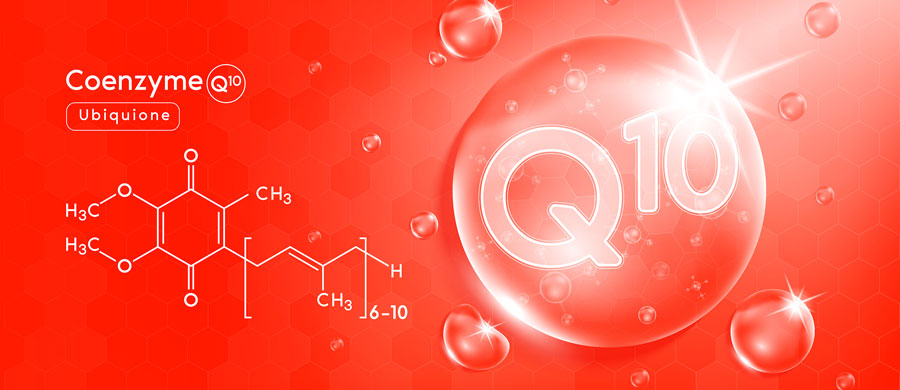
Coenzyme Q10 (CoQ10) has gained popularity as a powerful supplement for energy, heart health, and overall wellness.
While its benefits are widely discussed, many people ask: “Does CoQ10 cause blood clots?” In this comprehensive guide, we’ll dive deep into what CoQ10 does, its potential effects on blood clotting, interactions with medications, and tips for safe use.
No, CoQ10 does not cause blood clots for most people and is considered safe, though those on blood thinners should consult their doctor first.
What is CoQ10?
Understanding Coenzyme Q10
CoQ10 is a naturally occurring antioxidant found in every cell of the human body. It plays a crucial role in energy production, specifically in the mitochondria—the powerhouse of cells.
- Supports energy metabolism: CoQ10 helps convert food into adenosine triphosphate (ATP), the body’s main energy source.
- Protects against oxidative stress: As an antioxidant, CoQ10 neutralizes free radicals that can damage cells and tissues.
- Supports heart health: It is particularly concentrated in heart tissue, making it essential for cardiovascular function.
Sources of CoQ10
While the body produces CoQ10 naturally, levels decline with age. Dietary sources include:
- Fatty fish (salmon, mackerel, sardines)
- Organ meats (heart, liver, kidney)
- Whole grains, nuts, and vegetables (spinach, broccoli)
For many, supplementation is the most effective way to maintain optimal levels.
CoQ10 and Blood Clotting
How Blood Clotting Works
Blood clotting, or coagulation, is a natural process that prevents excessive bleeding when you are injured. Platelets and clotting factors in your blood form a temporary plug to seal the wound. However, abnormal clotting can lead to dangerous conditions like deep vein thrombosis (DVT), strokes, or heart attacks.
CoQ10’s Effect on Blood Clotting
Current research shows that CoQ10 does not directly cause blood clots. In fact, it may support vascular health in ways that could reduce abnormal clot risks.
- Platelet function: CoQ10 does not increase platelet aggregation, which is the process leading to clot formation.
- Antioxidant support: By reducing oxidative stress, CoQ10 may improve endothelial function, which helps maintain healthy blood flow.
- Blood pressure regulation: Some studies suggest CoQ10 helps lower blood pressure, indirectly reducing strain on blood vessels that could contribute to clotting.
Interaction with Blood Thinners
While CoQ10 is generally safe, it may interact with anticoagulants like warfarin (Coumadin). CoQ10’s chemical structure is similar to that of vitamin K, which can affect how blood thinners work.
- Possible effects: It may reduce warfarin’s effectiveness, potentially increasing the risk of clotting if not monitored.
- Recommendation: Always consult your doctor before taking CoQ10 if you are on blood-thinning medication.
Benefits of CoQ10 Supplementation
Cardiovascular Health
CoQ10 has been extensively studied for its role in supporting heart health. Benefits include:
- Reduced oxidative stress in heart tissues
- Improved endothelial function for better blood flow
- Potential improvement in conditions like heart failure
Energy and Physical Performance
Athletes and active individuals may benefit from CoQ10 due to its role in energy production:
- May reduce exercise-induced fatigue
- Supports mitochondrial energy metabolism
- Enhances recovery after strenuous workouts
Brain Health and Aging
As an antioxidant, CoQ10 may also support cognitive function and slow age-related decline:
- Reduces oxidative damage to neurons
- Supports mitochondrial health in brain cells
- May improve symptoms in conditions like Parkinson’s disease
CoQ10 and Blood Clot Prevention
Can CoQ10 Reduce Clot Risks?
While CoQ10 doesn’t cause blood clots, studies suggest it may support healthy blood flow and vascular function. By improving endothelial health and reducing oxidative stress, CoQ10 may indirectly help maintain normal clotting processes.
Supporting Heart and Circulation Health
- Helps maintain healthy blood pressure levels
- Supports artery flexibility, reducing strain that could lead to clot formation
- May complement other heart-healthy habits like exercise and a balanced diet
CoQ10 Interactions with Blood-Thinning Medications
Why Interaction Matters?
CoQ10’s chemical similarity to vitamin K can interfere with anticoagulants like warfarin. This doesn’t cause clots on its own but may affect medication effectiveness, potentially altering clotting risk.
Safe Practices
- Always inform your doctor before taking CoQ10 if you use blood thinners
- Regular blood tests may be needed to monitor clotting parameters
- Adjusting dosage under medical supervision ensures safe use
Signs You Should Stop or Adjust CoQ10
Monitoring for Safety
Even though CoQ10 is generally safe, it’s important to watch for:
- Unusual bruising or bleeding
- Rapid changes in blood pressure
- Side effects like nausea or insomnia
Consult Your Healthcare Provider
- Before starting CoQ10 if on blood-thinning medications
- Before surgery or invasive procedures
- During pregnancy or breastfeeding
Safety and Side Effects
Common Side Effects
CoQ10 is generally well-tolerated. Mild side effects can include:
- Digestive issues (nausea, diarrhea)
- Headaches
- Insomnia in sensitive individuals
Recommended Dosage
- Typical doses range from 100–300 mg per day
- Higher doses may be used under medical supervision for specific conditions
- Always follow label instructions or your healthcare provider’s guidance
Who Should Be Cautious?
- Individuals on blood-thinning medications
- People undergoing surgery (CoQ10 may affect bleeding)
- Those with low blood pressure (monitor if CoQ10 lowers it further)
How to Safely Take CoQ10
Tips for Effective Supplementation
- Choose Ubiquinone or Ubiquinol: Ubiquinol is the active form and may be better absorbed in older adults.
- Take with food: CoQ10 is fat-soluble, so taking it with a meal improves absorption.
- Monitor interactions: If on medications like warfarin, consult your doctor before starting.
- Consistency is key: Benefits may take several weeks to appear.
Final Thoughts
CoQ10 is more than just a supplement—it’s a vital nutrient that supports energy production, cardiovascular health, and cellular protection.
For most people, it is safe and does not cause blood clots, making it a reliable addition to a healthy lifestyle.
The key to maximizing benefits is using it thoughtfully: choose a high-quality form, follow recommended dosages, and be mindful of any medications that could interact with CoQ10.
With proper guidance, you can harness its antioxidant and heart-supporting properties while maintaining safe blood clotting function.
Ultimately, CoQ10 offers a natural way to enhance energy, support heart and brain health, and protect your body from oxidative stress—making it a supplement worth considering for long-term wellness.
References
1. Mayo Clinic – Overview of CoQ10 and its benefits for heart health.
👉https://www.mayoclinic.org/drugs-supplements-coenzyme-q10
2. Harvard Health Publishing – How CoQ10 affects cardiovascular health.
👉https://www.health.harvard.edu/heart-health/coenzyme-q10
3. WebMD – CoQ10 interactions with blood thinners like warfarin.
👉https://www.webmd.com/vitamins/ai/ingredientmono-940/coenzyme-q10
4. Cleveland Clinic – Benefits and safety of CoQ10 supplementation.
👉https://my.clevelandclinic.org/health/drugs/21902-coenzyme-q10
5. American Heart Association – CoQ10 in heart failure and vascular health.
👉https://www.heart.org/en/healthy-living/healthy-lifestyle/coenzyme-q10
.