

Creatinine levels are a common health metric, especially for people concerned with kidney function.
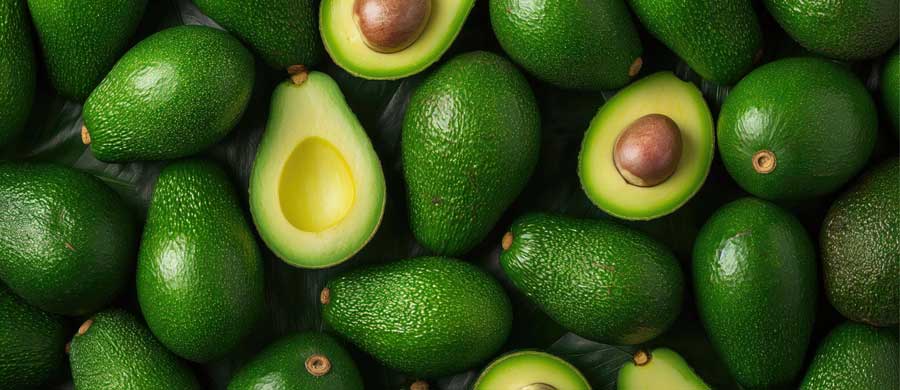
But with avocados now crowned a superfood by many nutrition experts, a key question arises: Does eating avocados drive up creatinine levels?
In this detailed guide, we’ll break down what creatinine is, how diet influences it, the specific role of avocados, and whether this healthy fruit can impact your kidney markers — or if that’s just a myth.
No, Avocados do not increase creatinine levels in healthy people, but those with kidney disease should limit portions due to their high potassium content.
Understanding Creatinine: What It Is and Why It Matters
What Is Creatinine?
Creatinine is a waste by‑product of muscle metabolism that’s filtered and excreted by the kidneys. Under normal conditions, your kidneys keep creatinine in a healthy range:
- Too high: may signal reduced kidney function
- Too low: can sometimes indicate liver disease or low muscle mass
Elevated creatinine levels aren’t always a sign of disease — they can also shift temporarily due to dehydration, intense exercise, or high protein intake.
Why Creatinine Matters for Kidney Health
Routine labs like serum creatinine and eGFR (estimated glomerular filtration rate) are used by clinicians to assess kidney function.
The kidneys work hard to filter creatinine out of your blood. When they can’t keep up, creatinine levels rise — raising red flags about possible kidney impairment.
Avocados 101: Nutritional Powerhouse or Creatinine Risk?
The Nutritional Profile of Avocados
Avocados are packed with:
- Heart‑healthy monounsaturated fats
- Fiber
- Vitamins and minerals
- Low sodium and low phosphorus
They’re widely celebrated for supporting heart health, improving blood sugar control, and having anti‑inflammatory effects.
The Potassium Factor
The key reason avocados sometimes raise concerns for kidney health — especially in chronic kidney disease (CKD) — is their high potassium content.
A whole medium avocado may contain 690–975 mg of potassium, depending on size.
High potassium foods aren’t inherently dangerous for everyone, but in people whose kidneys struggle to excrete potassium efficiently, excessive intake can lead to dangerous potassium levels in the blood.
High potassium itself doesn’t directly raise creatinine, but it can indicate the kidneys are less able to manage electrolytes and wastes.
Clearing the Confusion: Does Avocado Drive Up Creatinine Levels?
The Short Answer
No — avocados do not inherently drive up creatinine levels.
There’s no scientific evidence showing that eating avocados increases creatinine in healthy individuals. In fact, some studies suggest avocado components may support kidney health rather than harm it.
Why People Get Confused
The confusion arises because:
- Creatinine levels are influenced primarily by kidney function and muscle metabolism.
- Foods high in potassium are typically limited in CKD diets.
- Avocados are rich in potassium — a mineral the kidneys must filter.
But potassium itself doesn’t spike creatinine. Instead, it’s monitored to ensure the kidneys aren’t overwhelmed.
Research Suggests Protection, Not Danger
Studies looking at avocado seed extracts in animal models have shown:
- Lowered creatinine and other kidney biomarkers, indicating potential nephroprotective effects.
- Antioxidant compounds in avocado may protect kidney tissue against oxidative stress.
This suggests that, far from driving up creatinine levels, avocado components may help support normal kidney function — but more human research is needed.
So, When Could Avocado Be a Problem?
For People With Advanced Kidney Disease
When your kidneys are not functioning well — such as in moderate to advanced CKD — you may be instructed to limit high‑potassium foods.
Why?
Because the kidneys may not excrete potassium effectively. As potassium accumulates in the bloodstream, doctors may recommend limiting foods like avocados, bananas, tomatoes, and potatoes.
Still, this is about potassium management, not creatinine directly.
Portion Matters
If your doctor or dietitian has told you to avoid high‑potassium foods, you can often still enjoy small amounts of avocado, such as:
- ¼ of a medium avocado per serving
- Use in controlled, portion‑measured recipes
- Stay within your total daily potassium limit
Personalized portioning is key — especially in later stages of CKD.
Best Practices: Eating Avocado With Kidney Health in Mind
1. Monitor Your Labs Regularly
Knowing your:
- Serum creatinine
- Potassium
- eGFR
…helps you work with your healthcare team to make dietary decisions.
Regular tests are especially important if you have kidney disease.
2. Understand That Creatinine Isn’t Controlled by Diet Alone
Diet can influence creatinine slightly, but the most impactful factors are:
- Hydration
- Kidney function
- Muscle mass
- Protein intake
Red meat and high-protein meals can sometimes cause transient elevations in creatinine because meat contains creatine, which converts to creatinine in the body.
3. Pair Avocado With Kidney‑Friendly Foods
Great companions include:
- Low‑potassium fruits like berries
- Leafy greens in moderation (unless restricted)
- Healthy fats like olive oil
- Lean proteins
Avoid pairing avocados with other high‑potassium foods in the same meal if you’re tracking potassium.
When to Seek Medical Advice
Speak with a health professional if:
- You have CKD or reduced kidney function
- Your blood tests show high potassium
- You’re unsure about how foods like avocado fit in your diet
A renal-trained dietitian can tailor guidance based on your labs and lifestyle.
Summary — The Final Word
Healthy Individuals
- Avocados do not cause increases in creatinine
- They may support kidney health via antioxidants and healthy fats
People With Kidney Disease
- Avocados are high in potassium
- Too much potassium may be dangerous if the kidneys can’t filter it
- Still, moderation often works under clinical guidance
Bottom Line
- Avocados do not drive up creatinine levels.
- Their impact on kidney health is minimal in healthy individuals.
- People with impaired kidneys should manage portions carefully.
Final Thoughts
“Does avocado drive up creatinine levels?” — The science says no. But diet and kidney health are deeply personal.
Always check with a healthcare provider to personalize nutrition based on your own blood work and health goals.
References
National Kidney Foundation – Avocados and Kidney Health
👉 https://www.kidney.org/kidney-topics/avocados
Healthline – Foods to Avoid with Kidney Disease
👉 https://www.healthline.com/nutrition/foods-to-avoid-with-kidney-disease
Biology Insights – Is Avocado Good for High Creatinine Levels?
👉 https://biologyinsights.com/is-avocado-good-for-high-creatinine-levels-2/
PMC – Avocado Seed Extracts and Kidney Biomarkers
👉 https://pmc.ncbi.nlm.nih.gov/articles/PMC8388998/
Medical News Today – What Foods Are Bad for Kidneys?
👉 https://www.medicalnewstoday.com/articles/what-foods-are-bad-for-kidneys