

Compression socks are widely used by athletes, travelers, people who stand for long hours, and individuals with circulation concerns. But for those monitoring cardiovascular health, a common and important question arises: do compression socks lower or raise blood pressure?
Some people worry that compression socks might increase blood pressure by squeezing the legs, while others believe they help lower blood pressure by improving circulation. The truth lies somewhere in between—and understanding it requires a closer look at how compression socks actually work.
In this in-depth guide by MrSupps, we’ll explain how compression socks affect circulation, whether they influence blood pressure, who should use them cautiously, and what current medical evidence says.
Compression socks do not raise blood pressure. They improve venous circulation and reduce swelling but do not significantly lower or increase blood pressure.
What Are Compression Socks?
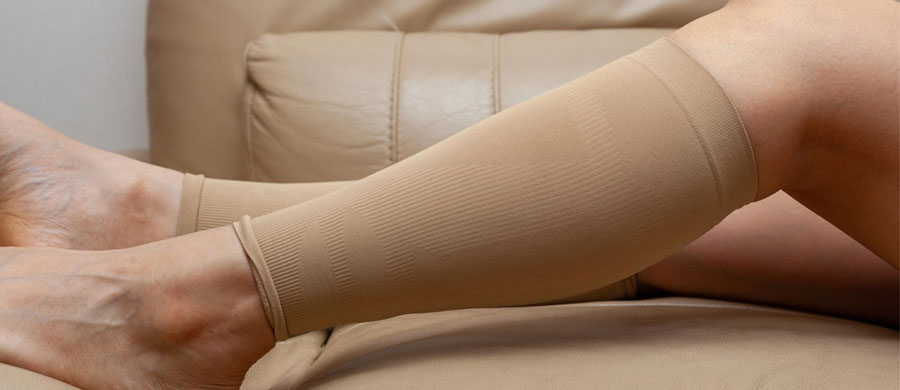
Compression socks are specially designed garments that apply graduated pressure to the legs, ankles, and feet.
How Compression Socks Work
- Tightest pressure at the ankle
- Gradually decreasing pressure up the leg
- Helps push blood upward toward the heart
They are commonly used to:
- Improve blood circulation
- Reduce leg swelling
- Prevent blood pooling in the lower limbs
Why People Ask: Do Compression Socks Lower or Raise Blood Pressure?
Blood pressure concerns arise because compression socks:
- Apply external pressure to blood vessels
- Affect venous blood flow
- Are often used by people with circulation or heart concerns
This leads to understandable confusion about whether compression socks raise blood pressure, lower it, or have no effect at all.
How Blood Pressure Works (Quick Overview)
Blood pressure refers to the force of blood pushing against artery walls as the heart pumps.
Key Components
- Systolic pressure: Pressure during heartbeats
- Diastolic pressure: Pressure between beats
Blood pressure is regulated by:
- Heart function
- Blood vessel elasticity
- Kidney function
- Hormones and nervous system activity
Compression socks primarily affect veins, not arteries—which is a crucial distinction.
Do Compression Socks Lower or Raise Blood Pressure?
The Short Answer
Compression socks do not raise systemic blood pressure, and they do not significantly lower it either.
What They Actually Do
- Improve venous return (blood flow back to the heart)
- Reduce blood pooling in the legs
- Help manage symptoms like swelling and heaviness
They do not increase arterial pressure, which is what standard blood pressure measurements reflect.
Why Compression Socks Don’t Raise Blood Pressure
Veins vs Arteries: The Key Difference
- Arteries carry blood away from the heart under high pressure
- Veins return blood to the heart under low pressure
Compression socks work on veins, helping blood move upward—not increasing arterial force.
Because blood pressure cuffs measure arterial pressure, compression socks do not artificially elevate readings.
Can Compression Socks Lower Blood Pressure?
Direct vs Indirect Effects
Compression socks do not directly lower blood pressure in the way medications or lifestyle changes do.
However, they may have indirect benefits, such as:
- Reducing leg swelling
- Improving circulation efficiency
- Supporting overall cardiovascular comfort
These effects can make people feel better, but they should not be mistaken for blood-pressure-lowering treatment.
Compression Socks and Orthostatic Hypotension
What Is Orthostatic Hypotension?
Orthostatic hypotension is a condition where blood pressure drops suddenly when standing up, causing:
- Dizziness
- Lightheadedness
- Fainting
How Compression Socks Help
Compression socks can:
- Prevent blood from pooling in the legs
- Improve blood return to the heart
- Reduce dizziness upon standing
In this case, compression socks help stabilize blood pressure, not raise it.
Do Compression Socks Affect Blood Pressure Readings?
During Measurement
Blood pressure is usually measured:
- On the arm
- In a seated or resting position
Wearing compression socks does not interfere with blood pressure readings because they do not affect arterial pressure in the upper body.
Compression Socks and Hypertension (High Blood Pressure)
Are Compression Socks Safe for People With High Blood Pressure?
In most cases, yes.
Compression socks:
- Are commonly recommended for people with hypertension who also experience leg swelling
- Do not raise systemic blood pressure
However, people with severe cardiovascular conditions should consult a healthcare provider before use.
Compression Socks and Circulation Disorders
Venous Insufficiency
Compression socks are often prescribed for:
- Chronic venous insufficiency
- Varicose veins
- Leg swelling
They help improve venous flow without affecting arterial blood pressure.
Peripheral Artery Disease (PAD)
People with PAD should be cautious:
- Compression may reduce arterial blood flow in severe cases
- Medical supervision is important
Compression Levels and Blood Pressure Concerns
Common Compression Levels
- Mild (8–15 mmHg): Everyday comfort
- Moderate (15–20 mmHg): Travel, mild swelling
- Firm (20–30 mmHg): Medical use
- Extra firm (30–40 mmHg): Prescription-level
Higher compression does not raise blood pressure but may not be appropriate for everyone.
Who Should Be Cautious With Compression Socks?
Compression socks are generally safe, but caution is advised for people with:
- Severe peripheral artery disease
- Advanced heart failure
- Skin infections or wounds
- Nerve disorders affecting sensation
Medical guidance is recommended in these cases.
Common Myths About Compression Socks and Blood Pressure
Myth: Compression Socks Increase Blood Pressure
Fact: They do not affect arterial blood pressure.
Myth: Compression Socks Can Replace Blood Pressure Medication
Fact: They are not a treatment for hypertension.
Myth: Tighter Compression Is Always Better
Fact: Proper fit and appropriate compression level matter more.
Benefits of Compression Socks Beyond Blood Pressure
While compression socks don’t directly alter blood pressure, they offer several benefits:
- Reduced leg swelling
- Improved comfort during long standing or sitting
- Support during travel
- Reduced risk of blood clots in certain situations
How Long Should You Wear Compression Socks?
General guidelines:
- Wear during the day
- Remove before sleeping (unless advised otherwise)
- Use consistently for best circulation support
They are not intended for continuous 24-hour use without medical advice.
What Doctors Say About Compression Socks and Blood Pressure
Medical consensus generally agrees:
- Compression socks do not raise blood pressure
- They are safe for most people, including those with hypertension
- Benefits are related to venous circulation, not arterial pressure
Final Verdict: Do Compression Socks Lower or Raise Blood Pressure?
If you’re asking do compression socks lower or raise blood pressure, the clear answer is:
Compression socks do NOT raise blood pressure and do not directly lower it either.
They improve venous circulation, reduce leg swelling, and help stabilize blood flow—without increasing arterial pressure. For most people, including those with high blood pressure, compression socks are safe when used correctly.
References
Cleveland Clinic – Compression Stockings
https://my.clevelandclinic.org/health/treatments/16815-compression-stockings
Mayo Clinic – Compression Stockings
https://www.mayoclinic.org/diseases-conditions/varicose-veins/in-depth/compression-stockings/art-20047164
American Heart Association – Blood Pressure Basics
https://www.heart.org/en/health-topics/high-blood-pressure
National Institutes of Health – Venous Insufficiency
https://www.ncbi.nlm.nih.gov/books/NBK430975/
Harvard Health Publishing – Compression Stockings
https://www.health.harvard.edu/staying-healthy/do-compression-stockings-work