

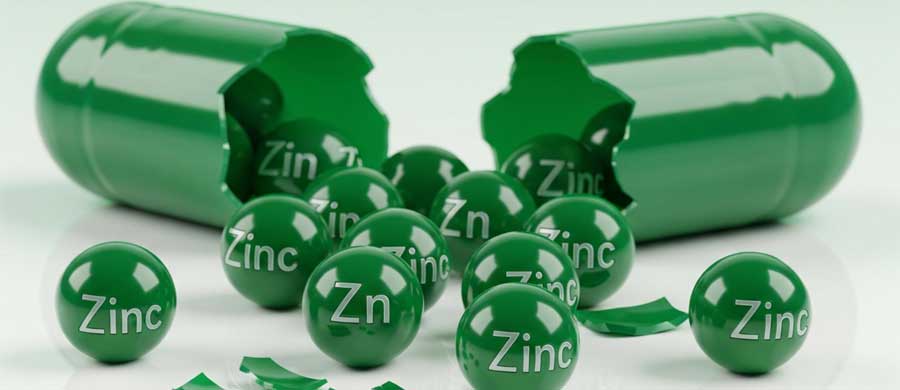
Zinc is an essential mineral that plays a critical role in immune function, metabolism, wound healing, and overall health.
With its popularity in supplement form, many people wonder: Can you take zinc on an empty stomach? In this comprehensive guide, we’ll explore how zinc works, the best ways to take it, potential side effects, and practical tips to maximize absorption.
Yes, you can take zinc on an empty stomach, but it may cause nausea or stomach upset; taking it with a light meal or snack helps prevent discomfort.
What is Zinc and Why is it Important?
Zinc is a trace mineral required for hundreds of enzymatic reactions in the body. It supports:
- Immune Health: Zinc is vital for the development and activation of white blood cells.
- Wound Healing: It promotes tissue repair and recovery after injury.
- Growth and Development: Particularly important for children, adolescents, and pregnant women.
- Metabolism: Plays a role in protein synthesis, DNA production, and hormone regulation.
A zinc deficiency can lead to impaired immune function, hair loss, delayed wound healing, and even growth retardation in children.
Can You Take Zinc on an Empty Stomach?
Short Answer
While it is technically possible to take zinc on an empty stomach, it often causes nausea, stomach cramps, or digestive discomfort. Zinc is best tolerated when taken with a meal or a small snack.
Why Taking Zinc on an Empty Stomach Can Cause Issues
Zinc can irritate the stomach lining. When there’s no food to buffer it, you may experience:
- Nausea or vomiting
- Abdominal cramping
- Diarrhea
Certain forms of zinc, such as zinc sulfate, are more likely to cause gastrointestinal discomfort compared to zinc picolinate or zinc gluconate, which are generally gentler.
How Food Affects Zinc Absorption?
Interestingly, certain foods can reduce zinc absorption, especially those high in phytates, such as:
- Whole grains
- Legumes
- Seeds
Phytates bind zinc, making it less available for absorption. That’s why timing zinc supplements around meals is important for balancing absorption and stomach comfort.
Best Time to Take Zinc
Morning vs. Evening
There is no strict rule, but consider:
- Morning: Can support immune function throughout the day, but some may experience nausea.
- Evening: May help avoid daytime stomach upset; however, taking zinc with a large dinner may reduce absorption due to phytates.
With or Without Food
- With food: Recommended for most people to prevent nausea.
- Empty stomach: Possible for those who tolerate it well, but proceed with caution.
Combining Zinc with Other Supplements
- Avoid taking zinc at the same time as calcium, iron, or magnesium, as these minerals can compete for absorption.
- Pairing zinc with protein-rich foods may slightly enhance absorption.
Forms of Zinc Supplements
Different forms of zinc vary in absorption efficiency and tolerability:
- Zinc Picolinate: Highly absorbable, gentle on the stomach.
- Zinc Gluconate: Common in over-the-counter supplements and generally well-tolerated.
- Zinc Sulfate: Effective but more likely to cause gastrointestinal upset.
- Zinc Acetate: Often used in cold remedies; moderately tolerated.
Choosing the right form can reduce the risk of nausea if you want to take it on an empty stomach.
Health Benefits of Zinc Supplements
Immune Support
Zinc is well-known for boosting immune function. It can reduce the duration of colds when taken at the onset of symptoms and supports overall immune resilience.
Skin and Hair Health
Zinc deficiency can cause hair loss, acne, and delayed wound healing. Supplementation can improve these conditions, especially in those who are deficient.
Eye Health
Zinc is concentrated in the retina and contributes to maintaining healthy vision. Studies suggest zinc may slow the progression of age-related macular degeneration.
Reproductive Health
Zinc supports hormone production, including testosterone, and is important for male fertility and sperm health.
Risks and Side Effects
While zinc is generally safe when taken in recommended doses, excessive intake can cause:
- Nausea and vomiting
- Stomach cramps
- Headaches
- Reduced absorption of copper and iron over time
Recommended Daily Allowance (RDA):
- Men: 11 mg/day
- Women: 8 mg/day
- Upper limit: 40 mg/day for adults
Always consult a healthcare provider before starting high-dose zinc supplementation.
Tips for Taking Zinc Without Stomach Upset
- Start with a lower dose: Gradually increase as tolerated.
- Try a different form: Picolinate or gluconate may be easier on the stomach.
- Take with a small snack: Even a banana or yogurt can prevent nausea.
- Stay hydrated: Drinking water can reduce irritation.
- Avoid taking high-phytate meals: To maximize absorption.
Signs You May Need More Zinc
- Frequent infections
- Hair loss or thinning
- Slow wound healing
- Loss of appetite or taste changes
If these symptoms persist, consider consulting a healthcare professional and checking your zinc status through blood tests.
Conclusion
So, can you take zinc on an empty stomach? Yes, but many people experience gastrointestinal discomfort if they do.
To maximize both safety and absorption, consider taking zinc with a light meal, choosing a gentle form like zinc picolinate or gluconate, and spacing it from minerals like iron or calcium.
Zinc is a powerful mineral with benefits ranging from immune support to reproductive health, but moderation and proper timing are key.
References
1. National Institutes of Health (NIH) – Zinc
👉https://ods.od.nih.gov/factsheets/Zinc-Consumer/
2. Mayo Clinic – Zinc Supplements
👉https://www.mayoclinic.org/drugs-supplements-zinc/art-20366112
3. Harvard T.H. Chan School of Public Health – Zinc
👉https://www.hsph.harvard.edu/nutritionsource/zinc/
4. WebMD – Zinc Side Effects and Interactions
👉https://www.webmd.com/vitamins-and-supplements/supplement-guide-zinc
5. Linus Pauling Institute – Micronutrient Information: Zinc
👉https://lpi.oregonstate.edu/mic/minerals/zinc