

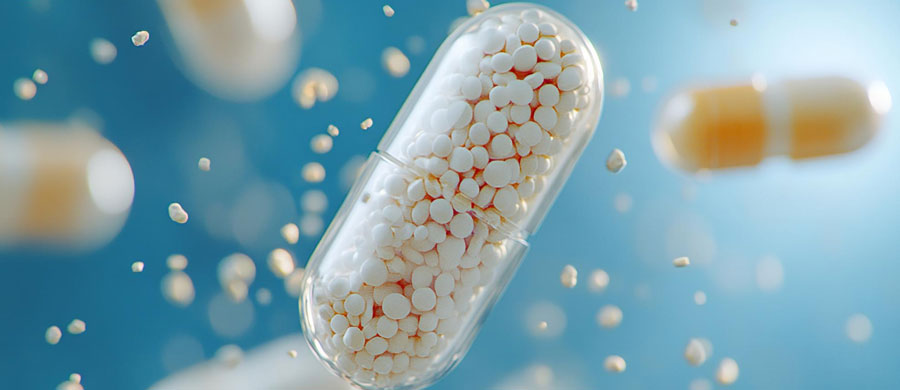
Probiotics are among the most popular supplements for gut health, digestion, and immune support. But one common question continues to confuse both beginners and experienced users: can you take probiotics on an empty stomach?
Some supplement labels suggest taking probiotics before meals, while others recommend taking them with food. This conflicting advice often leaves people unsure about the best timing for maximum effectiveness.
In this in-depth guide by MrSupps, we’ll explain whether you can take probiotics on an empty stomach, how stomach acid affects probiotic survival, when different probiotic strains work best, and how to choose the right timing for your goals.
Yes, you can take probiotics on an empty stomach. Lower stomach acid may help more bacteria survive, though some people tolerate them better with food.
What Are Probiotics and Why Do People Take Them?
Probiotics are live microorganisms, usually beneficial bacteria or yeasts, that help support a healthy balance of gut microbes when consumed in adequate amounts.
They are commonly used to support:
- Digestive health
- Gut microbiome balance
- Immune function
- Recovery after antibiotics
- Overall gastrointestinal comfort
Probiotics are naturally found in fermented foods and are also widely available as dietary supplements.
Why Timing Matters When Taking Probiotics
Unlike vitamins or minerals, probiotics are living organisms. This means their effectiveness depends on:
- How many survive stomach acid
- Whether they reach the intestines alive
- How well they colonize or interact with gut microbes
Because stomach acidity changes depending on whether you’ve eaten, when you take probiotics can influence how many bacteria survive.
How Stomach Acid Affects Probiotics
What Happens in the Stomach?
The stomach produces hydrochloric acid to break down food and kill harmful pathogens. While this is essential for digestion, it can also destroy some probiotic bacteria before they reach the intestines.
Stomach Acid Levels: Empty vs Full Stomach
- Empty stomach: Lower acid levels
- After meals: Higher acid production
This difference is why timing plays an important role in probiotic effectiveness.
Benefits of Taking Probiotics on an Empty Stomach
Lower Stomach Acid Exposure
Taking probiotics on an empty stomach exposes them to less acidic conditions, increasing the likelihood that more bacteria survive the journey to the gut.
Faster Transit Time
Without food, probiotics may pass through the stomach more quickly, reducing acid exposure time.
Often Recommended by Experts
Many probiotic manufacturers and health professionals suggest taking probiotics:
- First thing in the morning
- Or at least 30 minutes before meals
When Is the Best Time to Take Probiotics on an Empty Stomach?
Morning Dosing
Taking probiotics:
Immediately after waking
With a glass of water
is one of the most commonly recommended methods.
Before Meals
Another effective option is:
- 30–60 minutes before breakfast or lunch
This timing helps probiotics encounter a less acidic stomach environment.
Can You Take Probiotics With Food Instead?
Yes—And Sometimes It’s Better
While empty stomach dosing works well for many people, taking probiotics with food can also be effective, especially in certain situations.
Benefits of Taking Probiotics With Meals
- Food can buffer stomach acid
- May reduce digestive side effects
- Easier for people with sensitive stomachs
Some studies suggest that meals containing healthy fats may help protect probiotic bacteria during digestion.
Empty Stomach vs With Food: Which Is Better?
The Answer Depends on the Probiotic
Take Probiotics on an Empty Stomach If:
- The label recommends it
- You’re using traditional Lactobacillus or Bifidobacterium strains
- You tolerate supplements well
Take Probiotics With Food If:
- You experience bloating or nausea
- The product uses acid-resistant or spore-forming strains
- The label instructs you to do so
Always follow the manufacturer’s instructions first.
Do Different Probiotic Strains Need Different Timing?
Lactobacillus and Bifidobacterium
These common strains often survive better when taken:
- On an empty stomach
- Or shortly before meals
Saccharomyces boulardii
This probiotic yeast is naturally acid-resistant and can be taken:
- With or without food
Spore-Based Probiotics
Spore-forming strains are highly resistant to stomach acid and:
- Can be taken at any time
- Are less sensitive to timing
Should You Take Probiotics Before or After Antibiotics?
Best Practice
- Take probiotics at least 2–3 hours apart from antibiotics
- Empty stomach dosing may help improve survival
This timing reduces the chance that antibiotics will destroy probiotic bacteria.
Can Taking Probiotics on an Empty Stomach Cause Side Effects?
Possible Side Effects
Some people may experience:
- Mild bloating
- Gas
- Digestive discomfort
These effects are usually temporary and occur as the gut microbiome adjusts.
How to Reduce Side Effects
- Start with a lower dose
- Take probiotics with food if discomfort occurs
- Increase dosage gradually
How Long Does It Take for Probiotics to Work?
Probiotics are not instant-acting supplements.
What to Expect
- Digestive changes may appear in 1–2 weeks
- Gut balance improvements may take longer
- Consistency is more important than timing perfection
Taking probiotics daily, whether on an empty stomach or with food, is key.
Can You Take Probiotics at Night?
Night-Time Use
Some people prefer taking probiotics:
- Before bed
- A few hours after dinner
This can work, especially if the stomach is relatively empty.
Who Night-Time Dosing Works For
- People who forget morning doses
- Those with evening routines
- Individuals who tolerate probiotics well
Common Mistakes When Taking Probiotics
Taking Them With Hot Drinks
Heat can damage live bacteria.
Skipping Doses
Consistency matters more than exact timing.
Expecting Immediate Results
Probiotics support long-term gut balance, not overnight changes.
Expert Recommendations on Probiotic Timing
Most experts agree:
- Yes, you can take probiotics on an empty stomach
- Morning or pre-meal dosing often improves survival
- Some formulations work equally well with food
- Label instructions should always be followed
Final Verdict: Can You Take Probiotics on an Empty Stomach?
If you’re wondering can you take probiotics on an empty stomach, the answer is:
Yes, and for many probiotic strains, it may actually be the best option.
Taking probiotics on an empty stomach—especially in the morning—can improve bacterial survival by reducing exposure to stomach acid. However, individual tolerance and product formulation matter, so consistency and comfort should guide your routine.
References
National Institutes of Health – Probiotics Overview
https://www.nccih.nih.gov/health/probiotics
Harvard Health Publishing – Probiotics and Gut Health
https://www.health.harvard.edu/staying-healthy/probiotics-what-you-need-to-know
Cleveland Clinic – Probiotics: Benefits and Uses
https://health.clevelandclinic.org/probiotics
Mayo Clinic – Probiotics Explained
https://www.mayoclinic.org/drugs-supplements-probiotics/art-20362605
International Scientific Association for Probiotics and Prebiotics
https://isappscience.org