

Sleep issues affect millions of people around the world — from occasional tossing and turning to chronic insomnia that impacts daily life.
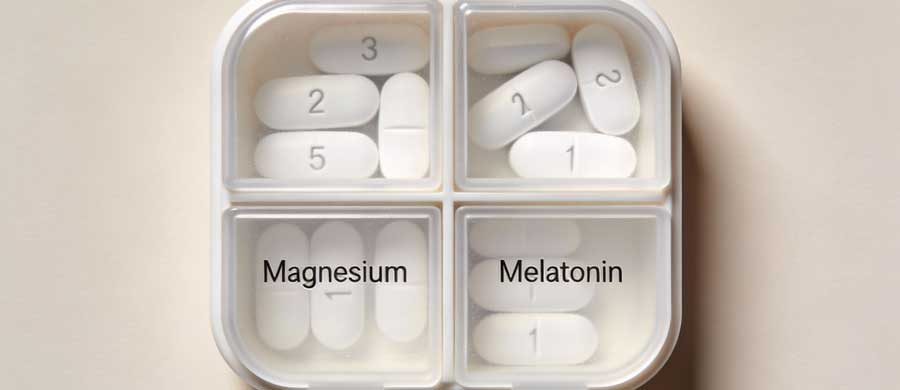
In the quest for better rest, many turn to natural supplements like magnesium and melatonin. But can you take magnesium and melatonin together safely?
And does this combo actually help your sleep? In this article, we’ll explore everything you need to know — backed by research and expert insights — so you can decide what’s best for your sleep routine.
Yes, magnesium and melatonin can generally be taken together safely, often supporting relaxation and sleep without known adverse interactions.
What Are Magnesium and Melatonin?
Magnesium: The Relaxation Mineral
Magnesium is an essential mineral involved in more than 300 biochemical reactions in your body. Beyond muscle and nerve health, it plays a role in relaxing the nervous system and calming your body — both of which are critical for falling asleep.
Studies have shown that magnesium supplementation may increase sleep time, improve sleep efficiency, and even increase levels of melatonin and other sleep‑related hormones in certain populations.
You can get magnesium from foods like leafy greens, nuts, seeds, dairy products, and fortified grains — but many people still don’t get enough through diet alone.
Melatonin: The Sleep Hormone
Melatonin is a hormone your body naturally produces in the pineal gland in response to darkness. It helps regulate your circadian rhythm — your internal clock that tells you when it’s time to sleep and wake up.
When taken as a supplement, melatonin is often used to help with sleep onset, especially in situations like jet lag, shift work, or irregular sleep schedules.
How Magnesium Supports Sleep
Improved Sleep Quality and Duration
Magnesium doesn’t act like a sedative, but it may support the body’s natural sleep processes. For example, in elderly adults, magnesium supplementation significantly improved sleep duration and reduced sleep onset latency (the time it takes to fall asleep).
Calming the Nervous System
Magnesium may help increase GABA (gamma‑aminobutyric acid) activity in the brain, a calming neurotransmitter that helps reduce anxiety and stress before bedtime. This calming effect can make it easier for your body to transition into rest.
Indirect Effect on Melatonin Production
Some research suggests magnesium levels influence how much melatonin your body naturally produces — potentially enhancing your sleep cycle from the inside out.
What Melatonin Does in Your Body?
Regulating Circadian Rhythms
Melatonin’s primary role is timing: it tells your body that it’s time to wind down. This effect is especially useful when your body clock is out of sync — like after long flights or during shift work.
Helps You Fall Asleep Faster
Clinical studies have found that supplemental melatonin can reduce the time it takes to fall asleep — sometimes by several minutes or more — particularly in people with delayed sleep phase syndrome or jet lag.
Not a Cure‑All
While helpful, melatonin is not a universal solution for every kind of sleep problem. Its effectiveness can vary greatly from person to person, and long‑term benefits aren’t fully established.
Can You Take Magnesium and Melatonin Together?
The short answer: yes — in most cases, magnesium and melatonin can be taken together safely.
Research and expert sources show there are no known adverse interactions between the two supplements, and in fact, combining them may enhance sleep benefits more than taking either one alone.
These two compounds work on different biological pathways:
- Magnesium supports relaxation and may impact sleep quality.
- Melatonin regulates circadian rhythm and timing.
Because of this complementary action, many sleep‑support formulas include both ingredients.
However, “safe” doesn’t mean “risk‑free” — and whether this combo is right for you depends on your health, medications, and sleep goals (more on that next).
Benefits of Taking Magnesium + Melatonin
Improved Sleep Onset and Quality
Some studies suggest that combining magnesium and melatonin (sometimes with additional nutrients like vitamin B) may improve insomnia symptoms better than either supplement on its own.
Better Hormonal Balance
Research shows that in certain groups (such as women with polycystic ovary syndrome), the combo improved sleep quality and had additional metabolic benefits, such as improved insulin response.
Relaxation + Rhythm Reinforcement
Magnesium helps relax your muscles and calm your nervous system — preparing your body for sleep — while melatonin helps your brain and body recognize the signals that it’s bedtime.
This two‑step mechanism can be especially useful if stress, anxiety, or delayed sleep onset are your main issues.
Safety: Risks, Side Effects & Potential Interactions
While magnesium and melatonin are usually safe for most healthy adults, there are some important safety considerations.
Common Side Effects
Magnesium
- Diarrhea or stomach discomfort (dose‑dependent)
- Loose stools if taken on an empty stomach or in high doses
Melatonin
- Morning grogginess or headaches
- Vivid dreams or next‑day drowsiness
When combined, these side effects could be more noticeable — especially excessive drowsiness. That’s why it’s critical not to operate heavy machinery or drive until you know how your body responds.
Interactions With Medications
Magnesium can interact with certain antibiotics, diuretics, or medications like gabapentin. Melatonin can interact with blood‑thinners and some antidepressants. Always consult with a healthcare provider if you’re on medication.
Kidney Function and High Magnesium
People with impaired kidney function may retain too much magnesium, which can be dangerous. If you have kidney disease, talk to your doctor before supplementing.
How to Take Magnesium and Melatonin Together (Best Practices)
Start Low and Go Slow
If you’re new to supplements, begin with lower doses to see how your body responds. A common nightly routine might include
- Magnesium: 200–400 mg (forms like glycinate or citrate are more calming)
- Melatonin: 0.5–3 mg about 30 minutes before bed
High doses aren’t always better — more can mean more side effects.
Timing Matters
- Take melatonin about 30 minutes before bedtime to sync with your natural sleep signal.
- Magnesium can be taken 30–60 minutes before bed or even with dinner to reduce gastrointestinal upset.
Pair With Good Sleep Hygiene
Supplements are most effective when combined with healthy sleep habits: a consistent schedule, reduced blue light before bed, a cool, dark room, and limited caffeine after midday.
Who Should Avoid This Combo?
- Pregnant or breastfeeding individuals – talk to a physician before starting any supplement.
- People with kidney disease – magnesium levels can build up dangerously.
- Those on certain medications – especially antibiotics, blood thinners, or medications impacted by magnesium absorption.
Children and teens should only take melatonin under pediatric guidance.
Choosing the Right Supplements
When picking a magnesium or melatonin product:
- Look for third‑party testing (NSF, USP, ConsumerLab).
- Choose magnesium forms known for sleep support: glycinate or citrate.
- Start with low‑dose melatonin and adjust based on response.
Products that combine both can be convenient, but make sure the dosages are sufficient — combo products sometimes use lower amounts of each ingredient that may not be effective.
Final Thoughts
So, can you take magnesium and melatonin together?
Yes. The two supplements are generally safe when used responsibly and can provide complementary benefits for sleep.
Magnesium helps your body relax while melatonin reinforces your body’s sleep signals — together offering a powerful one‑two punch for those struggling with falling asleep or sleep quality.
However, it’s not a one‑size‑fits‑all solution. Start with low doses, prioritize sleep hygiene, and consult your healthcare provider — especially if you have underlying health issues or take medications.
With the right approach, this combo could be the missing piece in your bedtime routine that helps you finally get the restful sleep your body craves.
References
Effects of magnesium supplementation on insomnia and sleep hormones. PubMed.
👉https://pubmed.ncbi.nlm.nih.gov/39534260/
Magnesium vs. Melatonin: Which Helps Better With Sleep? (SleepAdvisor)
👉https://www.sleepadvisor.org/magnesium-vs-melatonin/
Ask a Doc: Which is Better for Sleep? (Trinity Health Michigan)
👉https://www.trinityhealthmichigan.org/blog-articles/ask-doc-which-better-sleep
Can Taking Magnesium and Melatonin Together Help You Sleep Better? (Dr Farrah, MD)
👉https://drfarrahmd.com/2024/01/can-taking-magnesium-and-melatonin-together/
Magnesium + Melatonin & Metabolic Effects (Nutrition & Metabolism)
👉https://www.healthandme.com/health-wellness/taking-magnesium-and-melatonin-together