

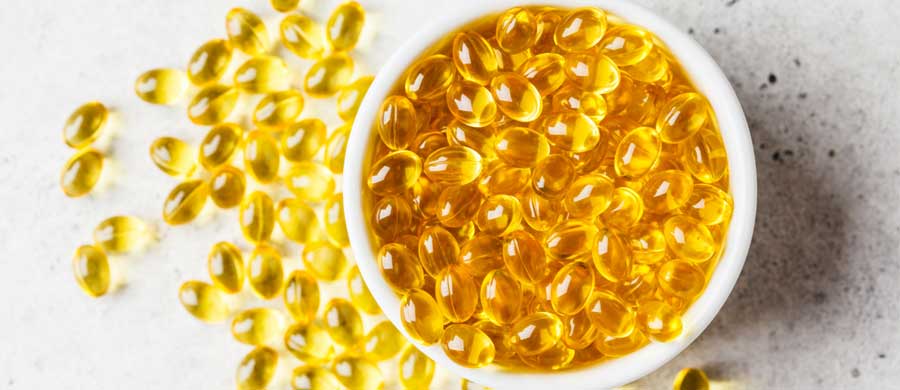
Fish oil is one of the most popular supplements worldwide—and for good reason. Rich in omega-3 fatty acids, fish oil is widely used to support heart health, brain function, joint mobility, and overall wellness.
But one common question continues to come up among supplement users: Can you take fish oil on an empty stomach?
If you’ve ever wondered whether timing matters, whether taking fish oil without food reduces its effectiveness, or whether it could cause unpleasant side effects, this in-depth guide from MrSupps has you covered.
We’ll explore the science behind fish oil absorption, the pros and cons of taking it on an empty stomach, the best time of day to take fish oil, and expert tips to maximize its benefits.
What Is Fish Oil and Why Is It So Popular?
Fish oil is a dietary supplement derived primarily from fatty fish such as salmon, mackerel, sardines, anchovies, and tuna. It is rich in two essential omega-3 fatty acids:
- EPA (Eicosapentaenoic Acid)
- DHA (Docosahexaenoic Acid)
These omega-3s play a crucial role in many bodily functions and cannot be produced efficiently by the body, which is why supplementation is often recommended.
Key Health Benefits of Fish Oil
Regular fish oil supplementation has been linked to a wide range of health benefits, including:
- Supporting heart and cardiovascular health
- Reducing inflammation
- Improving joint mobility and flexibility
- Enhancing brain and cognitive function
- Supporting eye health
- Promoting healthy skin
- Aiding muscle recovery and exercise performance
Given its widespread use, understanding how and when to take fish oil properly is essential.
Can You Take Fish Oil on an Empty Stomach?
The Short Answer
Yes, you can take fish oil on an empty stomach—but it’s not always ideal.
While it’s generally safe, taking fish oil without food may affect how well it’s absorbed and how comfortable it feels in your digestive system.
Let’s break this down.
How Fish Oil Is Absorbed in the Body
Fish oil is a fat-based supplement, which means its absorption depends heavily on dietary fat.
Why Fat Matters for Absorption
Omega-3 fatty acids are fat-soluble. When consumed with a meal that contains fat, the body releases bile from the gallbladder, which helps break down fats and improves absorption.
If you take fish oil on an empty stomach:
- Less bile is released
- Omega-3 absorption may be reduced
- You may not receive the full benefit of the supplement
Potential Downsides of Taking Fish Oil on an Empty Stomach
While some people tolerate fish oil just fine without food, others may experience unwanted side effects.
Common Side Effects
Taking fish oil on an empty stomach may increase the likelihood of:
- Nausea
- Fishy burps
- Acid reflux or heartburn
- Stomach discomfort
- Indigestion
These side effects occur because the oil can irritate the stomach lining when there’s no food to buffer digestion.
Are There Any Benefits to Taking Fish Oil on an Empty Stomach?
Faster Digestion (In Some Cases)
In theory, supplements taken on an empty stomach move through the digestive system more quickly. However, faster digestion does not equal better absorption for fat-based supplements like fish oil.
Minimal Benefit Compared to Taking with Food
For most people, there’s little advantage to taking fish oil without food—and several potential drawbacks.
The Best Time to Take Fish Oil for Maximum Benefits
Take Fish Oil With a Meal Containing Fat
The best way to take fish oil is with a meal that contains healthy fats, such as:
- Avocado
- Olive oil
- Nuts and seeds
- Eggs
- Fatty fish
- Dairy products
This significantly improves omega-3 absorption and reduces digestive side effects.
Morning vs Evening: Does Timing Matter?
Taking Fish Oil in the Morning
Pros:
- Easy to remember as part of a daily routine
- Works well if breakfast contains fat
Cons:
- May cause reflux for some people if taken too early
Taking Fish Oil at Night
Pros:
- May reduce fishy burps
- Some evidence suggests omega-3s support overnight muscle recovery
Cons:
- Heavy meals late at night may not suit everyone
Bottom line: The best time is the one you can stick to consistently—with food.
Should Athletes Take Fish Oil on an Empty Stomach?
For athletes and fitness enthusiasts, fish oil is often used to support recovery, joint health, and inflammation management.
Why Food Matters Even More for Active Individuals
Athletes typically require higher doses of omega-3s. Taking fish oil on an empty stomach at higher doses increases the risk of gastrointestinal distress.
For best results:
- Take fish oil with a post-workout meal
- Combine with protein and healthy fats
- Split doses if taking more than one capsule per day
How Much Fish Oil Should You Take?
General Dosage Guidelines
Typical daily dosages range from:
- 250–500 mg combined EPA and DHA for general health
- 1,000–3,000 mg for joint, heart, or inflammation support
Always follow the dosage instructions on your product or consult a healthcare professional.
Tips to Reduce Fish Oil Side Effects
If you’ve experienced discomfort when taking fish oil, try these tips:
Take It With Food
This is the most effective solution.
Split Your Dose
Instead of taking all capsules at once, split them between meals.
Choose High-Quality Fish Oil
Premium fish oil supplements are:
- Molecularly distilled
- Enteric-coated
- Free from heavy metals and impurities
Store Fish Oil Properly
Keep capsules in a cool, dry place to prevent oxidation.
Liquid Fish Oil vs Capsules: Does It Change Things?
Liquid Fish Oil
- Absorbs quickly
- Stronger taste
- More likely to cause nausea on an empty stomach
Capsules
- Easier to take
- Reduced taste
- Better tolerated with meals
Regardless of form, taking fish oil with food remains the best practice.
Who Should Avoid Taking Fish Oil on an Empty Stomach?
You should be especially cautious if you:
- Have acid reflux or GERD
- Have a sensitive stomach
- Are taking high doses
- Are prone to nausea
In these cases, always take fish oil with meals.
Can You Take Fish Oil With Other Supplements?
Yes, fish oil pairs well with many supplements, including:
- Multivitamins
- Vitamin D
- Magnesium
- Protein supplements
Taking them together with a meal improves overall absorption.
Frequently Asked Questions (FAQ)
Can fish oil cause nausea on an empty stomach?
Yes, nausea is more common when fish oil is taken without food.
Is it okay to take fish oil before bed?
Yes, as long as it’s taken with food.
Can I take fish oil every day?
Yes, daily supplementation is safe when taken as directed.
Does fish oil break a fast?
Yes, fish oil contains calories and fat, so it breaks a fast.
Final Verdict: Can You Take Fish Oil on an Empty Stomach?
The Expert Recommendation
While you can take fish oil on an empty stomach, it’s not the most effective or comfortable option for most people.
For maximum absorption and minimal side effects, take fish oil with a meal that contains healthy fats.
Consistency, quality, and timing with food matter far more than taking it on an empty stomach.
References
Healthline-Comprehensive overview of fish oil benefits.
👉https://www.healthline.com/nutrition/fish-oil-benefits
Medical News Today- Evidence-based explanation of omega-3 fatty acids.
👉https://www.medicalnewstoday.com/articles/326206
National Center for Biotechnology Information (NCBI)
👉https://www.ncbi.nlm.nih.gov/pmc/articles/PMC3262608/
NIH – Office of Dietary Supplements
👉https://ods.od.nih.gov/factsheets/Omega3FattyAcids-Consumer/
WebMD-Medical overview of omega-3 benefits.
👉https://www.webmd.com/diet/omega-3-fatty-acids
.