

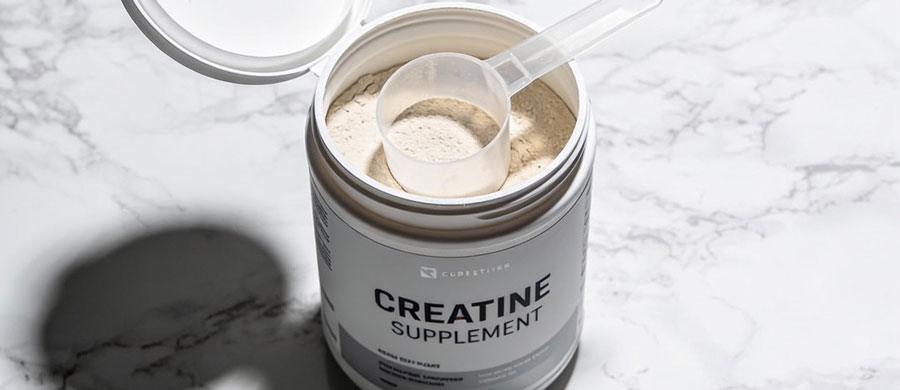
Creatine is one of the most researched and popular supplements in the fitness world. Walk into any supplement store or browse online at MrSupps, and you’ll see creatine front and center—powders, capsules, flavored, unflavored, monohydrate, HCL, and more.
But a surprisingly common question keeps popping up in Google searches and forums: Can you take creatine without working out?
Maybe you’re injured. Maybe you’re taking a break from the gym. Maybe you’re focused on mental performance, recovery, or general health rather than lifting weights.
Whatever the reason, this article breaks down exactly what happens when you take creatine without exercising, backed by science—not myths.
Yes, you can take creatine without working out. It can support brain function and muscle maintenance, but it won’t increase strength or size without exercise.
What Is Creatine and How Does It Work?
Creatine is a naturally occurring compound found in small amounts in foods like red meat and fish. Your body also produces it in the liver, kidneys, and pancreas from amino acids.
Once consumed, creatine is stored mainly in skeletal muscle as phosphocreatine, where it plays a key role in producing ATP (adenosine triphosphate)—your body’s main energy currency.
Why Creatine Is So Popular
Creatine is widely used because it:
- Increases strength and power output
- Improves exercise performance
- Enhances muscle recovery
- Supports lean muscle mass
But here’s the key point:
Creatine doesn’t only work during workouts—it works inside your cells all the time.
Can You Take Creatine Without Working Out?
Yes, you can take creatine without working out.
Creatine does not require exercise to be “activated.” Your muscles will still absorb and store it even if you’re not training.
However, whether it’s beneficial depends on your goals.
What Happens If You Take Creatine Without Exercising?
Taking creatine without working out won’t magically build muscle—but it still affects your body in several ways.
1. Muscle Creatine Stores Still Increase
Even without resistance training, creatine levels in your muscles rise. This can:
- Improve cellular hydration
- Increase phosphocreatine availability
- Support muscle preservation
2. You May Gain Weight (Water Weight)
Creatine draws water into muscle cells. Without training, this can result in:
- Slight weight gain (1–3 kg for some people)
- No visible muscle definition changes
This is not fat gain, but it can surprise people who aren’t lifting.
3. Strength Gains Are Minimal Without Training
Creatine enhances performance—but without a stimulus (like lifting or sprinting), there’s no performance to enhance.
Potential Benefits of Taking Creatine Without Working Out
Creatine isn’t only for bodybuilders. Research shows several non-exercise-related benefits.
Cognitive and Brain Health Benefits
Your brain uses ATP just like your muscles.
Studies suggest creatine may:
- Improve short-term memory
- Reduce mental fatigue
- Support brain energy metabolism
- Help during sleep deprivation or intense mental stress
This is especially relevant for:
- Students
- Shift workers
- Professionals with high cognitive demand
Muscle Preservation During Inactivity
Creatine may help reduce muscle loss during:
- Injury recovery
- Post-surgery immobilization
- Aging-related muscle decline (sarcopenia)
Even without exercise, creatine can help maintain muscle cell integrity.
Support for Vegetarians and Vegans
People who don’t eat meat typically have lower baseline creatine levels.
Supplementing creatine without working out can:
- Normalize creatine stores
- Support energy metabolism
- Improve general physical and cognitive performance
Recovery and Rehabilitation Phases
If you’re temporarily not training due to:
- Injury
- Illness
- Overtraining
Creatine can still:
- Support cellular energy
- Reduce muscle breakdown
- Prepare muscles for a smoother return to training
What Creatine Will NOT Do Without Exercise
Let’s clear up some myths.
Creatine Without Working Out Will NOT:
- Build noticeable muscle size
- Burn fat
- Dramatically increase strength
- Replace exercise benefits
Creatine is a performance enhancer, not a muscle builder by itself.
Is It Bad to Take Creatine Without Working Out?
For healthy individuals, no, it’s not bad.
Creatine has one of the strongest safety profiles of any supplement.
Creatine Safety Highlights
- Safe for long-term use in healthy adults
- No evidence of kidney damage in healthy individuals
- Well tolerated when properly hydrated
That said, people with pre-existing kidney disease should consult a healthcare professional before use.
Side Effects to Be Aware Of
While generally safe, taking creatine without exercise may increase the likelihood of noticing minor side effects:
Possible Side Effects
- Water retention
- Bloating (usually temporary)
- Mild digestive discomfort (if taken in large doses)
Tip: Use creatine monohydrate and avoid excessive loading phases if you’re not training.
Should You Take Creatine During Rest Days or Gym Breaks?
Absolutely.
Creatine Works Best When Taken Consistently
Creatine is about saturation, not timing.
Stopping creatine during rest days:
- Gradually lowers muscle creatine levels
- Reduces long-term effectiveness
This is why many athletes continue creatine even during deloads, off-seasons, or rest periods.
How to Take Creatine Without Working Out?
If you decide to take creatine without exercising, dosage and consistency matter.
Recommended Dosage
- 3–5 grams per day
- No loading phase required
Best Time to Take Creatine
Timing is flexible when not training:
- Morning with food
- With a meal containing carbs
- Any time you remember consistently
Hydration Is Key
Drink plenty of water to support:
- Muscle hydration
- Digestive comfort
- Overall effectiveness
Which Creatine Is Best If You’re Not Working Out?
Best Choice: Creatine Monohydrate
- Most researched form
- Best value for money
- Proven safety and effectiveness
Other forms (HCL, nitrate, buffered) don’t offer superior benefits for non-training use.
Who Should Consider Taking Creatine Without Working Out?
Creatine without exercise may be beneficial for:
- Older adults looking to preserve muscle
- People recovering from injury or surgery
- Students or professionals seeking cognitive support
- Vegetarians and vegans
- Anyone planning to return to training soon
Who Should Avoid It?
You may want to avoid or consult a professional if you:
- Have kidney disease
- Are you pregnant or breastfeeding
- Experience ongoing digestive discomfort
Creatine Without Working Out: Science vs Myths
Myth: Creatine is useless without lifting
Truth: Creatine supports cellular energy beyond workouts
Myth: Creatine damages the kidneys
Truth: No evidence in healthy individuals
Myth: You’ll gain fat
Truth: Weight gain is water, not fat
Final Verdict: Is Creatine Worth Taking Without Working Out?
Yes—but only with realistic expectations.
Creatine alone will not build muscle or significantly increase strength without exercise; muscle growth requires training, and strength gains depend on resistance work.
However, creatine can still be beneficial for cognitive support, recovery, and muscle preservation, especially during periods of inactivity, injury, or planned training breaks.
While it isn’t a magic supplement, creatine remains one of the most versatile and scientifically supported supplements available.
If you plan to return to training in the future, taking creatine now may help prime your muscles for better performance and results when you resume workouts.
References
1. International Society of Sports Nutrition position stand
👉https://link.springer.com/article/10.1186/s12970-017-0173-z
2. Use of creatine in the elderly and evidence for effects on cognitive function.
👉https://pubmed.ncbi.nlm.nih.gov/19756938/
3. Effects of creatine supplementation on cognitive function of healthy individuals.
👉https://pubmed.ncbi.nlm.nih.gov/29796958/
4. Mayo Clinic – Creatine
👉https://www.mayoclinic.org/drugs-supplements-creatine/art-20347591
5. International Society of Sports Nutrition position stand
👉https://link.springer.com/article/10.1186/1550-2783-4-6