

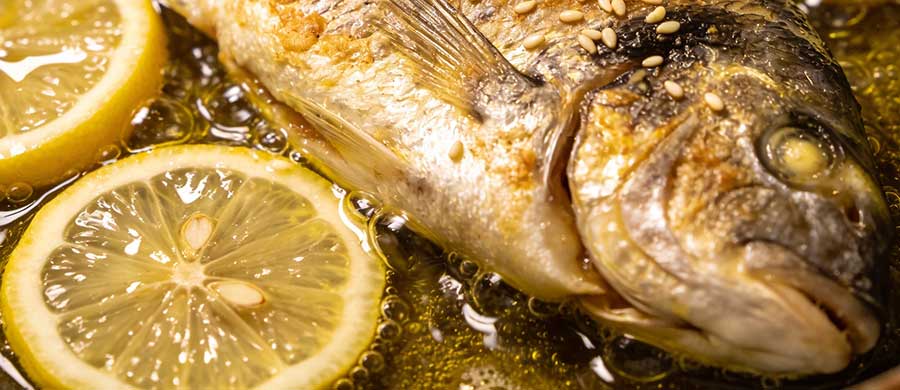
If you’ve ever wondered, “Can you fry fish in olive oil?”, you’re not alone. This question pops up in kitchens around the world, from home cooks trying to perfect weeknight dinners to food enthusiasts inspired by Mediterranean cuisine.
The short answer: yes, you absolutely can fry fish in olive oil — but the key lies in choosing the right type of olive oil and cooking it at the right temperature.
In this detailed guide, we’ll break down everything you need to know — from smoke points to technique, health benefits, and pro tips.
Why People Question Frying Fish in Olive Oil?
Traditionally, chefs and home cooks alike have debated whether olive oil is suitable for frying, especially fish. Critics point to its lower smoke point compared to other oils and worry that heating it could degrade flavor or nutrients. But recent culinary science shows that this belief is largely outdated.
Olive oil — especially certain types — holds up wonderfully for pan‑frying fish and can produce extraordinary flavor and texture when used correctly. Let’s dive deeper.
Understanding Smoke Point and Why It Matters
Before we jump into recipes and techniques, let’s understand smoke point, a crucial concept in frying.
What Is Smoke Point?
Smoke point is the temperature at which an oil starts to visibly smoke, and that’s a sign the oil is breaking down and potentially forming harmful compounds if it continues to heat past that point.
Cooking below the smoke point keeps your food tasty, your kitchen safer, and your oil stable.
The Different Types of Olive Oil and Their Smoke Points
Not all olive oils are created equal when it comes to frying.
| Type of Olive Oil | Approx. Smoke Point | Best Uses |
|---|---|---|
| Extra Virgin Olive Oil (EVOO) | ~375–410°F (190–210°C) | Light pan‑frying, sautéing |
| Virgin Olive Oil | ~390–420°F (199–215°C) | Medium‑heat frying |
| Refined / “Light” Olive Oil | ~425–465°F (220–240°C) | High‑heat frying, deep frying |
| Olive Pomace Oil | ~430–470°F (221–243°C) | High-heat cooking |
This spectrum shows why refined and “light” olive oils are the best choice for frying fish — they handle heat better without burning and have a neutral flavor that doesn’t overpower your dish. EVOO still works great for pan‑frying at moderate temperatures and adds rich flavor.
Olive Oil vs Other Frying Oils: What’s Healthier?
Many home cooks automatically turn to vegetable oil, canola oil, or peanut oil when frying. But from a health standpoint, olive oil stands out:
- Rich in monounsaturated fats, which support heart health.
- Contains antioxidants like polyphenols that help protect the oil from breaking down.
- When used properly, olive oil-fried fish is still a healthier alternative to frying in heavily processed seed oils.
So yes, you can fry fish in olive oil and benefit from better nutrition.
The Best Olive Oil for Frying Fish
1. Refined (Light) Olive Oil — Best Overall
This is the go‑to choice for frying fish — especially if you’re aiming for a crispy exterior without burning the oil. It has a high smoke point and a mild taste that won’t compete with your fish.
2. Virgin Olive Oil — Best Middle Ground
Virgin olive oil offers a balance between flavor and heat tolerance. It’s perfect for medium‑heat pan frying or shallower frying.
3. Extra Virgin Olive Oil — Best for Flavor, Not High Heat
EVOO shines when you want a bold, fruity flavor — ideal for light pan searing. But it’s better suited for temperatures under 375°F and not as practical for deep frying.
Step‑by‑Step: How to Fry Fish in Olive Oil
Here’s a simple yet proven method for frying fish that gives you golden, crispy fillets every time.
Ingredients
- Your choice of fish fillets (cod, tilapia, trout, or snapper)
- Salt and pepper (or fish seasoning)
- Olive oil (refined or virgin preferred)
- Optional: flour or cornmeal for coating
Step 1: Prepare the Fish
Pat your fish fillets dry with paper towels. Moisture on the surface creates steam, which can reduce crispiness and cause oil splatter.
Step 2: Heat the Oil
Add enough olive oil to cover the bottom of a skillet (about ¼–½ inch). Heat over medium to medium‑high heat until it shimmers but doesn’t smoke.
Tip: Use a kitchen thermometer — aim for ~350–375°F (175–190°C) for shallow frying.
Step 3: Coat the Fish (Optional but Recommended)
Lightly dust the fish in flour or cornmeal — this creates a crispy crust and helps protect the delicate flesh from direct heat.
Step 4: Fry the Fish
Carefully place the fillets in the hot oil, presentation side down first. Cook 3–4 minutes per side, depending on thickness, until golden brown and the fish flakes easily.
Avoid overcrowding — too many fillets drop the oil temperature and lead to soggy results.
Step 5: Drain and Serve
Transfer the cooked fish to a paper‑towel‑lined plate to drain excess oil. Serve with lemon wedges, tartar sauce, or a fresh herb drizzle.
Pro Tips for Perfect Frying
Monitor the Temperature
Keep your oil between 350–375°F for best results — any hotter, and you risk burning the olive oil.
Avoid Deep Frying with EVOO
If you want to deep fry large batches or thicker fish, choose refined olive oil with a higher smoke point.
Refresh Oil Only a Few Times
Reusing oil too many times can degrade its quality and lower its smoke point. Fresh oil = better taste and safer frying.
How Olive Oil Affects Digestion When Frying Fish
Frying fish in olive oil can be gentler on your digestive system than using other oils like vegetable or canola oil. The monounsaturated fats in olive oil are easier to break down, and its natural antioxidants can help reduce oxidative stress in the gut.
This means your crispy, pan-fried fish can be both delicious and easier to digest, making olive oil a smart choice for those who want flavorful meals without stomach discomfort.
Health Considerations: Is It Healthy to Fry Fish in Olive Oil?
While frying adds calories (from the oil), there are advantages to using olive oil:
Heart‑Healthy Fats
Olive oil’s monounsaturated fats are linked to improved heart health compared to oils high in polyunsaturated fats.
Nutrient Changes During Frying
Some antioxidant compounds in olive oil may degrade at high heat, but many remain intact, especially when you stay below the smoke point.
Be Mindful of Calories
Even a healthy oil is still a fat, and fat is calorie‑dense. Moderation and balanced meals matter.
Olive Oil Frying vs Other Oils: Quick Comparison
| Oil Type | Smoke Point | Health Notes |
|---|---|---|
| Olive Oil (Refined) | High | Heart‑healthy fats |
| Extra Virgin Olive Oil | Moderate | Best flavor, lower heat |
| Canola Oil | High | Neutral, less flavor |
| Vegetable Oil | High | Common but more processed |
Olive oil stands out for flavor and heart health — and with the right method, it performs well in frying too.
Delicious Fish Recipes You Can Try With Olive Oil
Pan‑Fried Lemon Herb Fish
A classic that highlights olive oil’s aromatic profile. Use a blend of herbs, lemon zest, and a light dusting of cornmeal.
Spicy Cajun Fish Fillets
Season with paprika, cayenne, and garlic powder — the olive oil adds a rich backdrop to bold spices.
Garlic Butter Olive Oil Fish
Mix garlic and a pat of butter with your olive oil while frying for a savory, indulgent crust.
Experiment with herbs and spices — olive oil pairs beautifully with a wide range of flavors.
Final Thoughts: So, Can You Fry Fish in Olive Oil?
Absolutely. With the right olive oil and technique, frying fish can be both delicious and health‑savvy. Use refined or light olive oil for higher heat, and don’t shy away from extra virgin for shallower pans or flavor‑forward dishes.
Frying fish in olive oil is not only safe — it can elevate the taste and nutrition of your meal.
Now that you know how and why olive oil works for frying fish, it’s time to fire up the stove and try it yourself!
References
1. PubMed – Consumption of Food Fried in Olive Oil
👉https://pubmed.ncbi.nlm.nih.gov/32660791/
2. NCBI – Virgin Olive Oil Performance in Frying
👉https://pubmed.ncbi.nlm.nih.gov/33371562/
3. NIH/NHLBI – Olive Oil Linked to Reduced Risk of Premature Death
👉https://www.nhlbi.nih.gov/news/2022/olive-oil-consumption
4. Healthline – Is Olive Oil Good for Cooking?
👉https://www.healthline.com/nutrition/is-olive-oil-good-for-cooking
5. PubMed – Effect of Fish and Oil Type on Frying
👉https://pubmed.ncbi.nlm.nih.gov/20492236/