

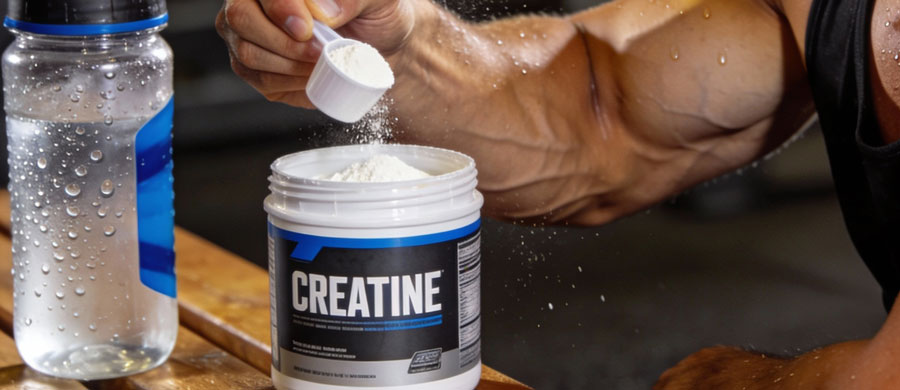
Creatine is one of the most researched and effective sports supplements, trusted by elite athletes and everyday gym-goers alike for improving strength, power, muscle growth, and overall performance.
As supplement trends continue to evolve, a common question keeps emerging: Can you dry scoop creatine? Dry scooping—the practice of consuming supplement powder without mixing it with liquid—has grown in popularity and is now being applied beyond pre-workout supplements, including creatine.
In this MrSupps guide, we explore whether dry scooping creatine is safe, effective, and worth it, plus the best way to take creatine for optimal results.
Technically, yes, you can dry scoop creatine, but it provides no added benefits and may cause discomfort. Mixing it with water is the safer and better option.
What Is Creatine and Why Is It So Popular?
Creatine is a naturally occurring compound found in small amounts in foods like red meat and fish, and it’s also produced by the body from amino acids. Around 95% of the body’s creatine is stored in skeletal muscle, where it plays a crucial role in energy production.
How Creatine Works in the Body
Creatine helps regenerate adenosine triphosphate (ATP), the primary energy currency of your cells. During high-intensity, short-duration activities like weightlifting or sprinting, ATP is rapidly depleted. Creatine allows you to replenish ATP faster, helping you train harder and longer.
Benefits of Creatine Supplementation
Regular creatine use has been shown to support:
- Increased muscle strength and power
- Improved workout performance
- Greater muscle mass over time
- Enhanced recovery between sets
- Improved high-intensity exercise capacity
Because of its proven effectiveness and safety profile, creatine—especially creatine monohydrate—is one of the most recommended supplements in sports nutrition.
What Does “Dry Scooping” Mean?
Dry scooping involves placing a scoop of powdered supplement directly into your mouth and swallowing it without mixing it with water or another beverage.
Why Do People Dry Scoop Supplements?
People dry scoop for a few main reasons:
- Convenience when water isn’t available
- Perception of faster absorption
- Influence from social media trends
- Preference for taste or texture
While dry scooping pre-workout has gained popularity, it’s important to understand that not all supplements behave the same way when taken dry—especially creatine.
Can You Dry Scoop Creatine?
Yes, you can dry scoop creatine—but that doesn’t mean you should.
From a purely technical standpoint, dry scooping creatine is possible. Creatine monohydrate doesn’t require digestion like protein, and it doesn’t contain stimulants like caffeine. However, the method of consumption can impact comfort, safety, and effectiveness.
Is Dry Scooping Creatine Safe?
Potential Safety Concerns
While creatine itself is well-researched and safe for most people, dry scooping introduces some avoidable risks:
1. Choking Hazard
Creatine powder is very fine and can easily be inhaled, leading to coughing or choking—especially without liquid to help swallow it.
2. Throat and Mouth Irritation
Dry powder can stick to the mouth and throat, causing discomfort or irritation.
3. Dehydration Risk
Creatine draws water into muscle cells. Taking it without fluid may increase the risk of dehydration if you’re not drinking enough water overall.
4. Digestive Discomfort
Some users report bloating, cramping, or stomach upset when creatine isn’t properly dissolved.
Does Dry Scooping Creatine Work Better?
Absorption and Effectiveness
There is no scientific evidence suggesting that dry scooping creatine improves absorption or makes it work faster.
Creatine absorption occurs in the intestines, not the mouth. Whether it’s mixed in water, juice, or swallowed dry, it must still dissolve and be absorbed through the digestive system.
What Science Actually Says
Research consistently shows that creatine uptake depends on:
- Daily dosage (typically 3–5 grams)
- Consistent use over time
- Adequate hydration
- Muscle saturation—not timing or dry consumption
In short, dry scooping does not enhance creatine’s effectiveness.
Dry Scooping Creatine vs Mixing It With Water
Dry Scooping: Pros and Cons
Pros
- Quick and convenient
- No shaker needed
Cons
- Choking risk
- No performance benefit
- Potential digestive discomfort
- Less hydration support
Mixing Creatine With Water: Pros and Cons
Pros
- Safer and easier to swallow
- Better hydration
- Reduced stomach issues
- Backed by research
Cons
- Requires liquid and mixing
When comparing the two, mixing creatine with water or another beverage is clearly the superior option.
The Best Way to Take Creatine for Maximum Results
Recommended Dosage
Most research supports:
- 3–5 grams of creatine monohydrate per day
A loading phase (20 grams per day for 5–7 days) is optional but not required.
When Should You Take Creatine?
Timing is flexible, but popular options include:
- Post-workout with a meal or shake
- Pre-workout (mixed in water)
- Any consistent time daily
The key factor is daily consistency, not timing.
What Should You Mix Creatine With?
Creatine can be mixed with:
- Water
- Juice (for insulin-mediated uptake)
- Protein shakes
- Electrolyte drinks
Warm liquids may help dissolve creatine more effectively.
Does Dry Scooping Creatine Cause Side Effects?
Dry scooping itself doesn’t change creatine’s chemical structure, but it may increase the likelihood of side effects such as:
- Bloating
- Stomach cramps
- Nausea
- Throat irritation
These side effects are more likely due to poor dissolution and inadequate hydration rather than creatine itself.
Creatine Myths You Should Stop Believing
“Dry Scooping Makes Creatine Work Faster”
False. Creatine works by saturating muscles over time, not by rapid absorption.
“Creatine Is Bad for Your Kidneys”
False for healthy individuals. Numerous studies show no adverse kidney effects when used at recommended doses.
“You Need to Cycle Creatine”
False. Long-term use is safe and effective without cycling.
Who Should Avoid Dry Scooping Creatine?
Dry scooping is especially not recommended for:
- Beginners new to supplements
- People with swallowing difficulties
- Anyone prone to digestive issues
- Those training in hot environments
If you’re unsure, mixing creatine with liquid is always the safer choice.
Why Creatine Monohydrate Is the Best Option
Despite newer forms on the market, creatine monohydrate remains the gold standard due to:
- Extensive research backing
- Proven effectiveness
- Affordability
- High bioavailability
Final Verdict: Can You Dry Scoop Creatine?
So, can you dry scoop creatine? Technically Yes—but it offers no added benefits and comes with several unnecessary risks.
Dry scooping does not improve absorption, workout performance, or muscle gains in any way. In contrast, mixing creatine with water or another beverage is safer, more comfortable, and fully supported by scientific research.
For the best results, aim to take 3–5 grams daily, maintain proper hydration, and stay consistent with your intake rather than following short-lived trends.
When it comes to creatine supplementation, simplicity and science always deliver the best outcomes.
References
1. Creatine Review (NIH PMC)
👉https://www.ncbi.nlm.nih.gov/pmc/articles/PMC3407788/
2. International Society of Sports Nutrition Position on Creatine
👉https://jissn.biomedcentral.com/articles/10.1186/s12970-017-0173-z
3. Creatine Safety and Side Effects (Healthline)
👉https://www.healthline.com/nutrition/creatine-safety-and-side-effects
4. Creatine Supplement Information (Mayo Clinic)
👉https://www.mayoclinic.org/drugs-supplements-creatine/art-20347591
5. Creatine Supplement Summary (Examine.com)
👉https://examine.com/supplements/creatine/
.