

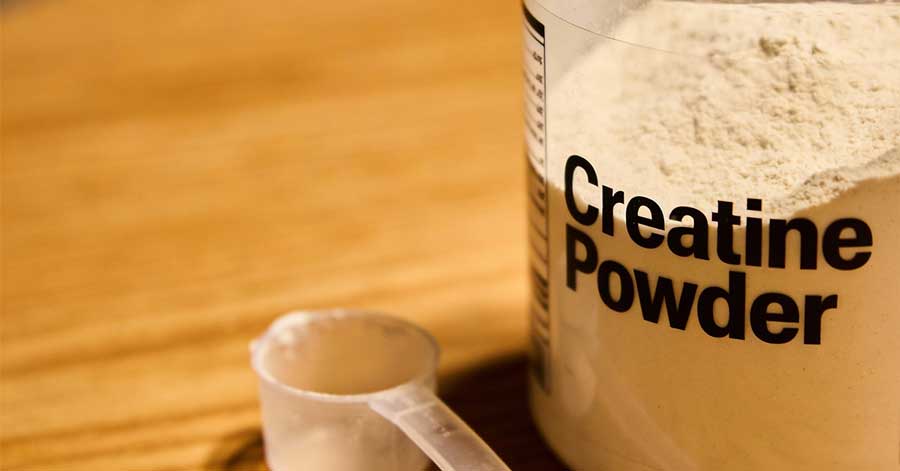
Creatine is one of the most researched and effective supplements for boosting muscle growth, strength, and overall athletic performance.
While many focus on pre- or post-workout timing, a common question is: “Can I take creatine before bed?”
Understanding how creatine works, its benefits, and the best practices for nighttime supplementation can help you optimize results.
In this guide, we’ll explore the science behind creatine, potential advantages and drawbacks of taking it at night, and tips to ensure safe and effective use for maximum muscle recovery and performance.
Yes! You can take creatine before bed. Timing isn’t critical—daily consistency matters most, and it won’t disrupt sleep while still supporting muscle growth.
What is Creatine and How Does It Work?
Understanding Creatine
Creatine is a naturally occurring compound found in small amounts in meat and fish, as well as in the human body, primarily in muscles. It plays a crucial role in energy production, particularly during high-intensity exercises.
When you consume creatine supplements, your muscles store it as phosphocreatine, which helps regenerate ATP (adenosine triphosphate) — the primary energy currency of your cells. This means more power and endurance during workouts.
Types of Creatine
The most common and well-researched form of creatine is creatine monohydrate, known for its effectiveness and safety. Other forms include:
- Creatine ethyl ester
- Buffered creatine
- Micronized creatine
For most users, creatine monohydrate is the gold standard due to its affordability and proven results.
Can I Take Creatine Before Bed?
The Science Behind Timing
Many people wonder whether taking creatine before bed affects its absorption or effectiveness. The good news? Timing is not as critical as consistency.
Creatine works through muscle saturation, meaning you need a consistent intake to maintain high levels in your muscles. Whether you take it in the morning, pre-workout, post-workout, or before bed, your muscles will benefit as long as you take it daily.
Benefits of Taking Creatine at Night
Taking creatine before bed may have some unique advantages:
- Convenient for Daily Routine: If mornings are rushed or post-workout timing is inconsistent, taking it at night ensures you don’t skip a dose.
- No Disruption to Sleep: Unlike caffeine-based supplements, creatine doesn’t stimulate the nervous system, so it won’t interfere with your sleep.
- Supports Overnight Recovery: Creatine helps replenish ATP, aiding in muscle recovery while your body is at rest.
Potential Drawbacks
While generally safe, there are minor considerations when taking creatine at night:
- Water Retention: Some users experience mild bloating, which could be slightly uncomfortable during sleep.
- Digestive Discomfort: High doses of creatine may cause stomach upset if taken immediately before lying down.
- Frequency over Timing: Some athletes prefer splitting doses throughout the day for optimal absorption.
How Much Creatine Should I Take at Night?
Recommended Dosage
The standard dosage for creatine supplementation is:
- Loading phase (optional): 20 grams daily, split into 4 doses for 5-7 days
- Maintenance phase: 3–5 grams per day
If you prefer taking creatine at night, simply include 3–5 grams with water or a small snack to improve absorption and reduce stomach discomfort.
Tips for Best Absorption
- Take creatine with carbohydrates or protein to enhance uptake in muscles.
- Stay hydrated — creatine draws water into muscles, so drinking enough water is essential.
- Avoid taking excessively high doses at once, which may cause bloating or digestive issues.
Common Myths About Taking Creatine at Night
Myth 1: Creatine Causes Insomnia
Creatine is not a stimulant. It does not contain caffeine or other compounds that interfere with sleep. Studies show no correlation between nighttime creatine intake and sleep disturbances.
Myth 2: Timing Drastically Changes Results
Creatine’s effectiveness is based on muscle saturation, not immediate timing. Multiple studies confirm that daily intake matters far more than whether you take it before or after a workout.
Myth 3: You Must Take Creatine Post-Workout
While post-workout intake may slightly optimize absorption due to insulin spikes from protein or carbs, it’s not mandatory. Pre-bed creatine is equally effective if your overall daily intake is consistent.
Tips for Taking Creatine Safely Before Bed
- Stick to Recommended Dosages: 3–5 grams is sufficient. Avoid mega-doses.
- Mix with Fluids: Dissolve in water or a beverage to improve absorption.
- Pair with Food if Needed: Helps reduce potential stomach upset.
- Stay Hydrated: Creatine increases water demand in muscles.
- Monitor Your Body: Track any bloating or digestive discomfort and adjust timing or dosage if needed.
Creatine and Sleep: What You Should Know?
Effects on Sleep Quality
Current research indicates that creatine does not negatively affect sleep quality. In fact, by supporting ATP regeneration, it may indirectly aid muscle recovery, which could contribute to feeling more rested.
Nighttime Muscle Recovery
Creatine taken before bed may support overnight muscle repair, particularly for individuals who train in the evenings. By maintaining creatine saturation, your muscles are primed for recovery during deep sleep cycles.
Final Thoughts: Can I Take Creatine Before Bed?
The short answer: Yes, you can take creatine before bed.
The long answer: Creatine timing is flexible, and your primary goal should be consistent daily intake.
Taking it at night is safe, convenient, and may even support overnight recovery. Focus on dosage, hydration, and pairing with food if needed to minimize any discomfort.
Whether you’re a morning gym-goer or a night owl, creatine can fit seamlessly into your routine — including right before you hit the pillow.
References
Wikipedia – Creatine Overview
👉 https://en.wikipedia.org/wiki/Creatine
PubMed – Effects of Creatine Supplementation on Exercise Performance
👉 https://pubmed.ncbi.nlm.nih.gov/16416332/
Creatine Supplements: An Overview
👉https://www.webmd.com/vitamins-and-supplements/creatine
Everything You Need to Know About Creatine
👉https://www.healthline.com/nutrition/what-is-creatine
Creatine in Health
👉https://pmc.ncbi.nlm.nih.gov/articles/PMC7910963/