

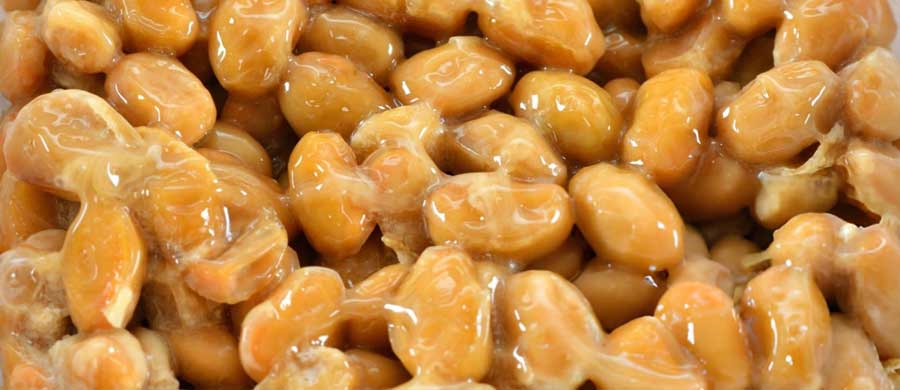
Nattokinase is an enzyme found in natto, a traditional Japanese fermented soybean dish, and it’s known for supporting healthy blood flow and heart function.
If you’re thinking about taking nattokinase, one important question is: “When is the best time to take it?” Taking it at the right time can help your body absorb it better and get the most benefit for circulation and cardiovascular health.
In this guide, we’ll explain how nattokinase works, the best times to take it, tips for taking it with food or other supplements, and important safety information, so by the end, you’ll know exactly how to include nattokinase in your daily routine for maximum effect.
The best time to take nattokinase is on an empty stomach, either 30–60 minutes before meals or 2–3 hours after, to maximize absorption and heart benefits.
What Is Nattokinase?
Before we talk about timing, let’s quickly cover the basics.
Nattokinase is a proteolytic enzyme — meaning it breaks down proteins — that’s extracted from natto, a fermented soybean dish that’s been consumed in Japan for centuries. Today, nattokinase is sold as a dietary supplement, often marketed for its cardiovascular and circulatory benefits.
It’s known for:
- Supporting healthy blood flow
- Helping break down fibrin, a protein involved in clot formation
- Promoting normal blood pressure
- Encouraging arterial and venous health
Some research shows nattokinase boosts fibrinolytic activity (the body’s ability to dissolve clots) within a few hours of ingestion.
Why Timing Matters for Nattokinase
Timing isn’t just a suggestion — it’s a practical part of maximizing nattokinase’s effectiveness.
Here’s why:
Absorption Is Better on an Empty Stomach
Unlike vitamins or minerals that are absorbed alongside food, enzymes like nattokinase compete with dietary proteins for absorption.
If you take it with a meal, especially a high‑protein meal, the enzyme may be preoccupied with digestion rather than entering the bloodstream where it performs its primary function.
To truly harness the fibrinolytic effects, taking nattokinase when your stomach is empty — either before meals or a couple of hours after — helps ensure higher bioavailability.
Nattokinase Acts Systemically
Once it enters your system, nattokinase doesn’t just work locally — its effects can circulate through the bloodstream. Studies indicate its activity may last up to 8 hours in the body, so timing influences when you’ll feel peak benefits.
Consistency Matters More Than the Clock
Although timing influences absorption, most experts also stress that taking nattokinase consistently at the same time every day matters just as much as the specific hour you choose.
Consistency helps maintain steady levels and makes it easier to track changes in your health markers over weeks or months.
Best Time to Take Nattokinase (Expert Picks)
Now for the part everyone wants — when exactly should you take nattokinase?
Below are the most commonly recommended timing strategies based on clinical guidance and industry consensus.
1. Morning on an Empty Stomach — Most Recommended
Why it works:
- The stomach is naturally empty after fasting overnight.
- Absorption is less likely to compete with food digestion.
- Aligns with circadian rhythms, supporting cardiovascular activity throughout the day.
How to take it:
- Take nattokinase 30–60 minutes before breakfast, ideally when you wake up.
Best for:
- Daily cardiovascular and circulation support
- Consistent routines (easy to remember)
Many experts consider this the optimal timing for most users — especially if you’re new to nattokinase.
2. Evening or Before Bed — Alternative Strategy
Some practitioners recommend nattokinase later in the day.
Why this can be effective:
- Nattokinase’s activity often peaks several hours after ingestion, so a bedtime dose can provide extra support during sleep.
- Research suggests cardiovascular risk factors like clot formation may increase during overnight rest and early morning hours.
How to take it:
- Take nattokinase 2–3 hours after dinner, well after food has left your stomach.
This strategy is especially appealing for individuals focused on heart health and clot prevention, though some prefer morning dosing due to blood‑thinning effects.
3. Split Dose (Morning + Evening)
For people taking higher doses (e.g., 4,000 FU daily), splitting the dose can help maintain more consistent enzyme levels in the body.
Suggested routine:
| Time of Day | Dosage | Notes |
|---|---|---|
| Morning | ~2,000 FU | 30–60 min before breakfast |
| Evening | ~2,000 FU | 2–3 hours after dinner |
This split‑timing approach helps ensure nattokinase’s fibrinolytic window extends across more hours of the day and night, which some users report benefits from.
Food & Supplement Interactions
To maximize nattokinase absorption and effectiveness, you should also consider these timing tips related to meals and other supplements:
Avoid Taking With Food
If taken with meals — especially protein‑rich ones — nattokinase may get ‘distracted’ digesting food instead of working in your bloodstream. That’s why the empty‑stomach rule is important.
Avoid With Calcium or Vitamin K‑Rich Supplements
Certain nutrients like calcium and vitamin K may interfere with blood‑thinning effects and enzyme activity. Space these supplements at least 30–60 minutes apart from nattokinase.
Drugs With Similar Effects
Nattokinase naturally supports circulation and fibrinolytic activity, but if you’re on blood thinners or anticoagulants (e.g., warfarin), the combined effect can increase bleeding risk — so avoid taking nattokinase at the same time as these medications unless your doctor instructs otherwise.
Practical Timing Examples
Not sure how to schedule nattokinase around your day? Here are practical examples:
Example Schedule — Morning Focused
| Time | Action |
|---|---|
| 7:00 AM | Take nattokinase |
| 7:30–8:00 AM | Breakfast |
| Throughout day | Normal activities |
| Evening | Other supplements & dinner |
Example Schedule — Night Focused
| Time | Action |
|---|---|
| Dinner | End of meal |
| 8:00–9:00 PM | Wait 2 hours |
| 9:30 PM | Take nattokinase |
| Bedtime | Wind down |
Effect Duration and Results
Research indicates that nattokinase reaches peak bloodstream concentration within 2–4 hours, and its activity may last up to 8 hours. This means:
- Timing impacts when the enzyme is most active
- Your chosen schedule should reflect when you want circulation support
Most users notice improvements in circulation, energy, or blood pressure after 2–4 weeks of consistent use, with more significant benefits developing over 6–12 weeks.
Safety & Who Should Be Cautious
While nattokinase is generally well‑tolerated, it’s a potent enzyme with blood‑thinning effects — so safety is paramount:
Bleeding Disorders or Surgery
If you have a bleeding disorder, are planning surgery, or are pregnant or breastfeeding, nattokinase may not be safe unless cleared by a healthcare provider.
Blood Thinners & Medications
If you take anticoagulant or antiplatelet medications (e.g., warfarin, aspirin), nattokinase may increase bleeding risk. Your doctor may recommend spacing doses or avoiding supplementation.
Blood Pressure Medications
Nattokinase may lower blood pressure — which is usually good, but if you’re on antihypertensives, monitor with your clinician, as combined effects could drop blood pressure too low.
Final Tips for Success
Here are some practical tips to get the most out of your nattokinase supplement:
- Be consistent. Taking it at roughly the same time daily matters more than the exact hour.
- Take it on an empty stomach — before meals or 2+ hours after food.
- Monitor your body. Track blood pressure, circulation changes, bruising, or any unusual symptoms.
- Consult professionals. Especially if on medications or managing chronic conditions.
- Pair with lifestyle habits. Balanced diet, hydration, exercise, and stress management boost heart health holistically.
Summary: Best Time to Take Nattokinase
Here’s a simple takeaway:
Most optimal timing — morning on an empty stomach
Alternative — evening, 2–3 hours after dinner
Split dose — morning + evening
Avoid — with meals or conflicting supplements/medications
Consistency combined with an empty stomach approach gives nattokinase the best chance to be absorbed and act where your body needs it most.
Reference Links
Nattiase – Nattokinase Heart Health Benefits
👉 https://www.nattiase.com/news/nattokinase-heart-health-benefits
Wiki Mundi – Best Time to Take Nattokinase Guide
👉 https://wikimundi.com/health-supplements/best-time-to-take-nattokinase
World Nutrition – How to Take Nattokinase for Optimal Absorption
👉 https://worldnutrition.net/blogs/learn-more-about-vitalzym/how-to-take-nattokinase
Biology Insights – When Is the Best Time to Take Nattokinase
👉 https://biologyinsights.com/when-is-the-best-time-to-take-nattokinase/
Earth Clinic – Nattokinase Timing & Longevity
👉 https://www.earthclinic.com/supplements/nattokinase-editors-choice.html